







Beyond the Obvious Path
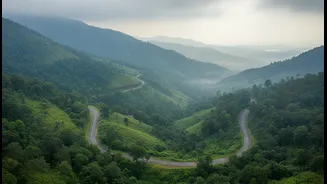
Imagine trekking through a remote mountain pass. Suddenly, an unseasonal blizzard blankets the landscape in a disorienting sea of white, erasing the trail you were confidently following. Panic is a natural reaction. But for a local guide, this is not
a moment of chaos; it is a test of deeply ingrained knowledge. They see more than just a wall of snow. They recognize the subtle curve of the land, the specific shape of a rock formation barely visible, or the way the wind whips around a hidden ridge. This is the unwritten map they carry in their heads, a three-dimensional understanding of the terrain built over a lifetime. This expertise is not just about knowing the primary route; it is about knowing the five alternatives, including the one that offers shelter behind a cluster of ancient trees that a tourist would never notice. When conditions shift, a GPS can tell you where you are, but a local guide can tell you what to do.
Reading the Silent Language
A guide’s value extends far beyond navigating physical terrain; they are interpreters of a silent language that the average visitor cannot hear. They understand the subtle cues of the environment. A particular bird call might signal approaching rain, a change in wind direction could warn of a coming storm, and the behaviour of animals can indicate shifts that are not yet visible. This expertise is proactive, not reactive. On safari, for instance, a local guide's lifelong familiarity with animal behaviour and tracking patterns allows them to position you for the best, safest viewing. They can lead you away from a potential hazard long before it becomes a clear and present danger, ensuring your adventure is memorable for the right reasons. This deep connection turns a simple trip into a masterclass in observation, enriching your experience while fundamentally enhancing your safety.
The Human Compass
Shifting conditions are not always related to weather or wildlife. Navigating a bustling foreign city can be just as challenging, especially when a protest shuts down a main square or a local festival reroutes all public transport. A map app might become useless, but a local guide knows the labyrinthine back alleys and the alternative bus routes that are not on any official schedule. More importantly, they serve as a cultural compass. They can diffuse misunderstandings with a simple phrase, bargain respectfully at a crowded market, and steer you away from common tourist scams. They bridge the gap between visitor and community, transforming potentially stressful situations into opportunities for authentic connection. This ability to navigate social and logistical complexities provides invaluable peace of mind, allowing you to immerse yourself in the experience without the stress of constant problem-solving.
An Investment in Experience
Some independent travelers may see hiring a guide as an unnecessary expense, preferring the thrill of solo discovery. And while self-guided exploration has its merits, a local guide is not a crutch for the inexperienced but an investment in a deeper, safer, and richer journey. They unlock hidden gems—the family-run restaurant with no sign, the secluded viewpoint not mentioned in any guidebook, the artisan workshop down a quiet lane. They handle logistics, from permits to entrance fees, saving you precious time and hassle. By contributing directly to the local economy, you also engage in a more responsible and sustainable form of tourism. A good guide does more than just show you a place; they help you understand it, connect with it, and remember it for a lifetime.