


The New Reality of Urban Living
In metropolitan India, from Mumbai to Bengaluru, every square foot comes at a premium. This reality has reshaped interior design, shifting the focus from purely decorative choices to smart, functional solutions that make life easier. The modern mantra
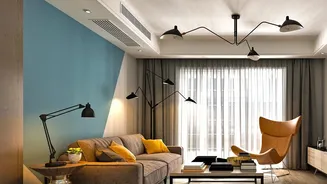
is no longer just about aesthetics; it's about efficiency. Homeowners and renters alike are seeking ways to maximize their living areas, creating spaces that can adapt to various needs—a living room that doubles as a guest room, a dining area that becomes a workspace, and a bedroom that serves as a sanctuary of calm. This shift has fueled a massive demand for furniture and design strategies that work harder and smarter.
The Timeless Allure of Built-in Storage
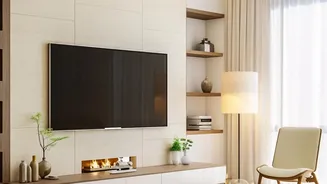
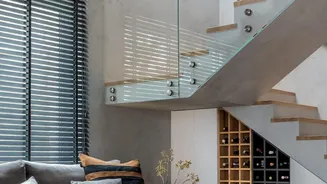
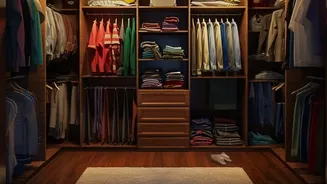
Built-in storage is the art of turning architecture into furniture. It involves creating custom-made units—wardrobes, shelves, cabinets, or benches—that are integrated directly into the structure of a room. The primary advantage is its unparalleled space efficiency. A floor-to-ceiling wardrobe utilizes every available centimetre of vertical space, while storage built into a staircase alcove claims a previously useless nook. The result is a seamless, clean look that feels intentional and high-end, as if the storage has always been part of the home. This approach eliminates the awkward gaps and 'visual noise' that often come with standalone furniture, making a room feel larger and more organised.
The Rise of the Flexible Alternative
While built-ins offer perfection in permanence, the current design landscape in India is heavily influenced by flexibility. Multifunctional and modular furniture pieces are dominating the market for a reason. Think of hydraulic beds that lift to reveal cavernous storage, sofa-cum-beds that make hosting guests a breeze, and extendable dining tables that adapt to the occasion. These pieces are not just furniture; they are practical solutions for modern life. Their popularity stems from their adaptability. For renters who move frequently, or homeowners whose needs might change, modular systems that can be reconfigured or transported offer a freedom that permanent built-ins cannot.
The Great Debate: Permanence vs. Portability
The choice between built-in and freestanding solutions boils down to a fundamental question of permanence. A custom built-in is an investment in the property itself. It is tailored to one specific space and is designed to stay there, potentially increasing the home's long-term value. In contrast, buying a modular wardrobe or a bed with built-in drawers is an investment in a piece of furniture that belongs to you, not the house. You can take it with you when you move. For many, this flexibility is invaluable. The decision often depends on your life stage: a homeowner planning to stay for years might favour built-ins, while a young professional in a rental apartment will find far more value in portable, multifunctional pieces.
A Hybrid Approach: The Best of Both Worlds
Current design advice isn't about choosing one camp over the other. The smartest approach for a small space is often a hybrid one. You can combine the strengths of both systems for a truly optimized home. For instance, you might opt for permanent, built-in wardrobes in the master bedroom for long-term apparel storage but choose a stylish, freestanding media unit in the living room that can be updated as technology changes. A bathroom can be enhanced with space-saving built-in niches for toiletries, while the living room benefits from a storage ottoman that can be moved around as needed. This strategy allows you to anchor the home with high-impact permanent storage while retaining flexibility in daily living.