




The Green Wave Sweeping Cafes
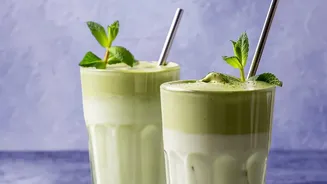
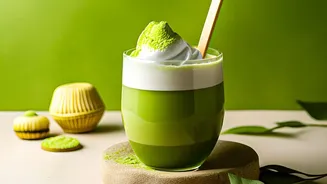
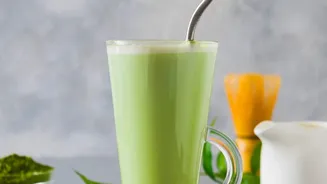
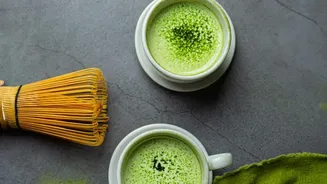
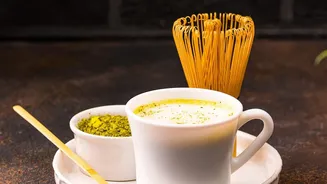
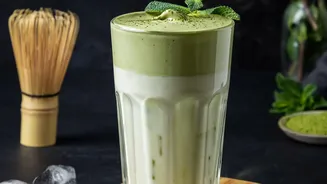
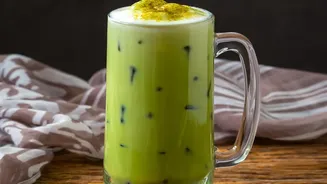
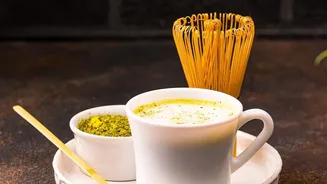
The drink turning heads is most often a matcha latte. Once a niche item found only in specialty wellness cafes, matcha is now a mainstream star on menus from Mumbai to Bengaluru and Delhi. Major chains like Blue Tokai and Third Wave Coffee have made it a core
offering, while local cafes are experimenting with creative versions like mango matcha and matcha yuzu tonics. This isn't just a fleeting Instagram trend; it's a significant shift. The Indian matcha market was valued at around $104 million in 2024 and is projected to grow at 8.6% annually, nearly double the rate of the broader tea market. This growth is driven by health-conscious urban millennials and Gen Z consumers looking for beverages that offer more than just a caffeine kick. They are drawn to matcha's combination of aesthetic appeal, unique flavour, and a compelling wellness story.
The Showdown: Matcha vs. Iced Coffee
So, why are people choosing a grassy, green powder over their trusty iced coffee? The difference lies in the energy they provide. Coffee delivers a sharp, fast-acting spike of caffeine that can sometimes lead to jitters and an inevitable afternoon crash. Matcha, on the other hand, provides what many describe as a 'calm focus'. This is thanks to an amino acid called L-theanine, which is abundant in the shade-grown tea leaves used to make matcha. L-theanine works synergistically with caffeine, slowing its absorption into the bloodstream. This results in a smoother, more sustained energy boost that can last for hours without the anxiety or sudden drop-off associated with coffee. Many who make the switch report better concentration and significantly less anxiety.
A Sip of Wellness
The post-pandemic era has intensified a collective focus on health, with consumers actively seeking out 'functional' foods and beverages that offer tangible benefits. Matcha fits this demand perfectly. Because you consume the entire ground tea leaf, you get a concentrated dose of nutrients. It is packed with antioxidants, particularly EGCG (epigallocatechin gallate), which are known to help fight cellular damage. Studies suggest matcha has significantly more antioxidants than both regular green tea and coffee. Beyond antioxidants, proponents claim benefits ranging from a metabolism boost to better skin and even improved breath, as the catechins in the tea have antibacterial properties. While an iced coffee offers a straightforward caffeine jolt, matcha is positioned as a holistic wellness ritual in a cup.
More Than Just a Health Kick
The rise of matcha is also a cultural phenomenon. Its vibrant green colour is visually striking, making it a social media darling. The hashtag #matcha has millions of posts, turning the drink into a lifestyle marker. This digital exposure, combined with the growing influence of East Asian culture through K-dramas and travel content, has made consumers more curious and open to new flavour profiles. Matcha offers a complex, earthy, and slightly sweet 'umami' taste that stands in stark contrast to the familiar bitterness of coffee. For a generation of consumers eager to explore global tastes, it represents a sophisticated and worldly choice. Cafes have responded by innovating, creating an entire ecosystem of matcha-based drinks and desserts, from strawberry matcha lattes to 'matchamisu', a green tea take on the classic tiramisu.