







A Liberalised Sky: What's New?
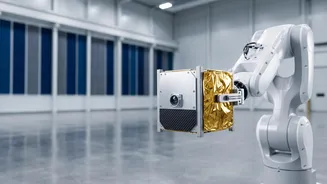
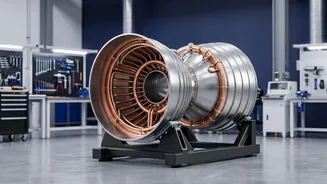
The government has significantly relaxed its Foreign Direct Investment (FDI) policy for the space industry, creating a tiered system to attract global capital. The most notable change is allowing 100% FDI through the automatic route for manufacturing
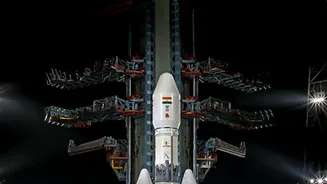
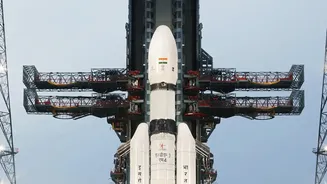
components and systems for satellites and ground segments. For more complex activities, the policy is also liberal. Foreign firms can now invest up to 74% automatically in satellite manufacturing and operations. For the most sensitive areas, such as creating launch vehicles and spaceports, up to 49% FDI is permitted under the automatic route, with larger investments possible via government approval. This is a dramatic shift from the previous policy, where most investments required government-route approval, making the process longer and more complex.
The 'Why' Behind the Policy Shift
This policy change is a core part of India's strategy to increase its share of the global space economy. Currently valued at around USD 9 billion, the Indian space market is projected to reach USD 44 billion by 2033. The reforms are designed to transform the sector from one dominated by the Indian Space Research Organisation (ISRO) into a dynamic ecosystem with robust private participation. By attracting foreign capital, the government aims to bring in cutting-edge technology, boost domestic manufacturing capabilities under the 'Make in India' initiative, and create high-skilled jobs. The goal is to position India as a cost-competitive hub for everything from satellite component manufacturing to launch services, integrating Indian startups into the global aerospace supply chain.
Global Giants and Homegrown Heroes
The new rules are expected to attract interest from major international aerospace and technology companies looking to leverage India's cost-effective engineering talent and growing market. For India's burgeoning ecosystem of over 400 private space startups, such as Skyroot Aerospace and Agnikul Cosmos, the policy is a double-edged sword. On one hand, it opens the floodgates for much-needed capital and potential partnerships, allowing them to scale operations and upgrade their technology. On the other, it introduces stiff competition from established global players. The government is attempting to balance this through bodies like IN-SPACe, which acts as a single-window agency to promote and authorise private space activities, and by providing support through various seed funds and technology transfer initiatives.
Challenges on the Launchpad
Despite the enthusiasm, challenges remain. The shift requires a significant cultural change, moving ISRO's role from primary operator to a mentor and R&D powerhouse, focusing on advanced science and deep-space missions while private players handle more routine commercial operations. Ensuring regulatory clarity and a level playing field will be crucial. Foreign investors will be looking for a predictable and transparent framework, which the government aims to provide through IN-SPACe and clear guidelines. Furthermore, India will need to continue developing its ground infrastructure and skilled workforce to absorb the new wave of investment and technology effectively. The success of these reforms will depend on how well the government, ISRO, and private industry can collaborate to build a truly competitive and self-reliant space economy.