






The ‘Natural’ vs. ‘Organic’ Confusion
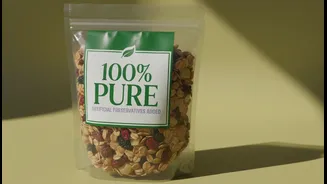
Walk down any supermarket aisle and you’ll be bombarded with labels like ‘all-natural,’ ‘100% pure,’ and ‘nature-inspired.’ These words feel reassuring, suggesting a product is healthier and safer. However, in India, the term 'natural' is not strictly
defined by law, making it a powerful but often vague marketing tool. This is the core of the problem: while brands use 'natural' freely, it doesn't carry the same weight as 'organic.' 'Organic' is a legally regulated term. For a product to be sold as organic in India, it must be produced according to specific standards that prohibit the use of synthetic pesticides and fertilisers. 'Natural,' on the other hand, often just implies the ingredients originated from a natural source, but doesn't guarantee the product is free from additives or that it was farmed sustainably.
Why This Matters for Your Health and Wallet
Younger shoppers and those buying for their families are increasingly health-aware and willing to pay a premium for better products. A recent study found that while nearly 60% of shoppers prefer natural or organic options, 40% mistakenly believe the terms are interchangeable. This confusion is what brands sometimes count on. You might be paying more for a ‘natural’ fruit juice that contains nature-identical flavours or a biscuit that uses refined flour. The Food Safety and Standards Authority of India (FSSAI) has started to scrutinise these claims more closely. Recent actions against brands for misleading labels like '100% natural' show that regulators are trying to close the gap between marketing promises and reality. The risk for consumers is twofold: you may not be getting the health benefits you paid for, and you could be consuming unwanted preservatives or synthetic additives.
The Gold Standard: Look for the Jaivik Bharat Logo
So, how do you find genuinely organic products? The answer lies in certification. The FSSAI has a unified logo for certified organic food called 'Jaivik Bharat'. This logo, which features a green leaf and a tick mark, is your most reliable sign that a product is authentically organic. For any product to carry this logo, at least 95% of its agricultural ingredients must be certified organic. It consolidates two major certification systems in India: the National Programme for Organic Production (NPOP) and the Participatory Guarantee System for India (PGS-India). If a product claims to be 'organic' but doesn't have the Jaivik Bharat logo, it's a major red flag that the claim hasn't been verified under Indian law. You can even use the FSSAI's Indian Organic Integrity Database portal to verify a brand's certification status.
Your Smart Shopping Checklist
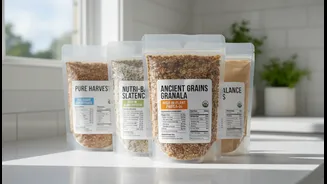
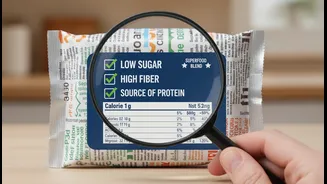
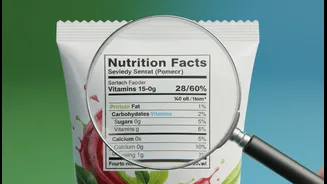
Navigating the grocery store doesn't have to be a stressful experience. Armed with the right knowledge, you can make smarter choices. First, ignore the marketing buzzwords on the front of the package. Instead, turn it over and read the full ingredient list. The fewer ingredients, and the more you recognise, the better. Second, be skeptical of claims like 'pure' or 'fresh' unless they are backed by more information. Third, understand that 'made with natural ingredients' is not the same as '100% natural.' A product can contain some natural elements while still having artificial additives. Finally, prioritise certified products. When it comes to food, look for the Jaivik Bharat logo as your primary guide. This simple check is the most effective way to ensure you're getting what you pay for.