


Your First Night Under the Stars
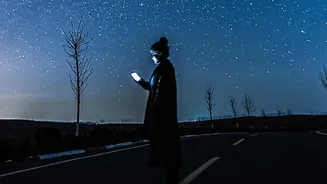
Before you even download an app, the first step is to simply go outside and look up. Find the darkest spot you can, away from the glare of city and street lights. Give your eyes at least 15 to 20 minutes to fully adjust to the darkness; this will dramatically
increase the number of stars you can see. Notice the brightest points of light. Some will twinkle, while others will shine with a steadier glow. The steady ones are often planets. Observe how the sky is not a static backdrop but a dynamic dome of moving objects. This initial, unaided observation connects you to a timeless human experience and builds a foundation of curiosity that technology can then enhance.
A Planetarium in Your Pocket
Modern stargazing apps turn your smartphone into a powerful, interactive star chart using augmented reality (AR). By using your phone's GPS and internal sensors, they know your precise location and where you're pointing the device. Simply hold your phone up to the sky, and the app will identify the stars, constellations, and planets in your view. For beginners, a few apps stand out for their ease of use and rich features, many of which are available for free. SkyView Lite is a popular choice that works offline, making it perfect for remote spots. Star Walk 2 is often praised as a great option for those just starting out, offering beautiful graphics and even a satellite tracker in its free version. Another excellent free tool is Stellarium Mobile, which provides a clean, minimalist interface and a vast catalogue of celestial objects.
Finding the Planets
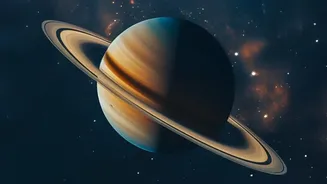
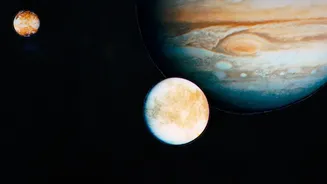
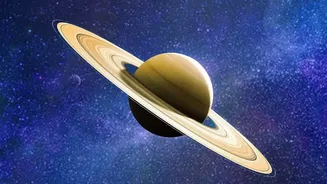
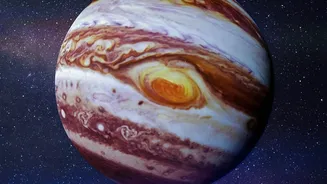
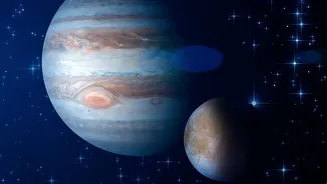
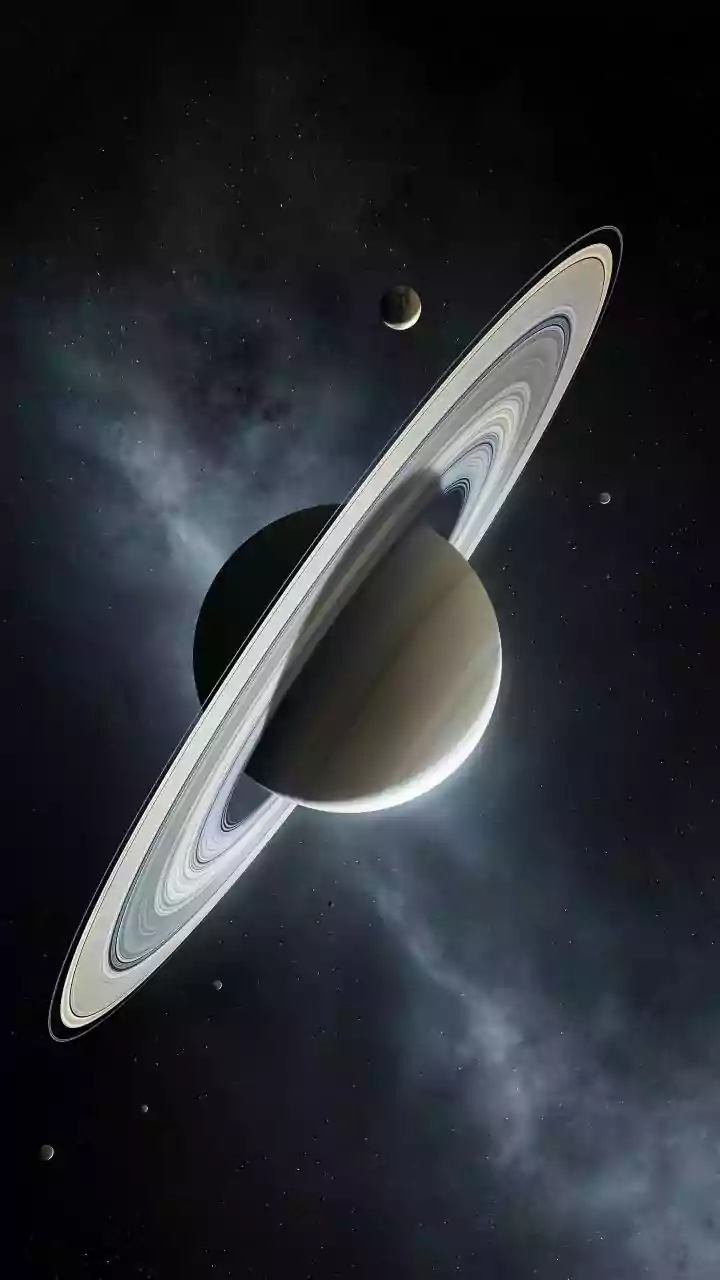
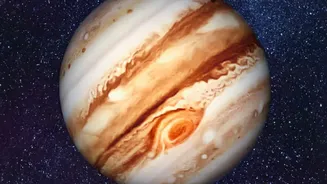
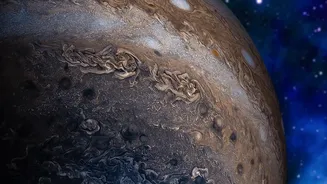
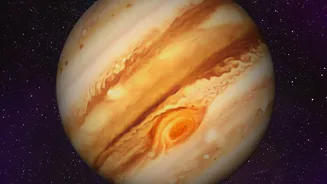
With your chosen app installed, locating planets becomes an exciting treasure hunt. Unlike distant stars that twinkle due to atmospheric distortion, planets in our solar system tend to shine with a more stable, solid light. Open your app and use its search function to locate planets like Jupiter, Saturn, Mars, or Venus. The app will then typically use an arrow or guide on your screen to direct you to the planet’s current position in the sky. Point your phone, and you might find that the brilliant “star” you’ve been admiring is actually Jupiter. Many apps provide detailed information with a simple tap, telling you about the planet's moons, its distance from Earth, and its history of exploration. It transforms abstract points of light into tangible worlds.
How to Spot the International Space Station
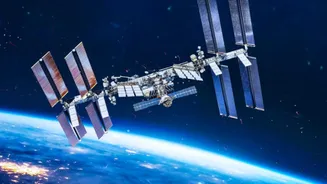
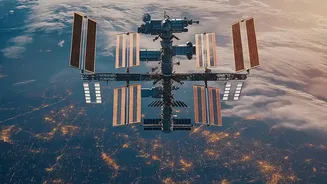
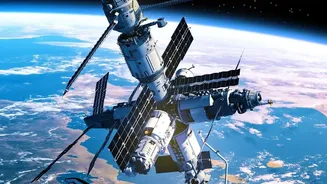
One of the most thrilling sights for a beginner skywatcher is the International Space Station (ISS) gliding silently overhead. Orbiting Earth at 28,000 kilometres per hour, it appears as a very bright, fast-moving point of light—like an airplane, but without any flashing lights. You don't see the station itself, but the sunlight reflecting off its massive solar panels. The best viewing opportunities occur just before sunrise or after sunset. While some general stargazing apps can track the ISS, the most reliable tool is NASA's own Spot The Station service. You can visit the website or download the official app for iOS or Android. Simply enter your location, and it will provide a list of upcoming sighting opportunities, telling you the exact time the pass will start, how long it will be visible, its maximum height in the sky, and the direction in which it will appear and disappear.
Beyond the First Sighting
Once you've found your first planet and waved to the astronauts on the ISS, you'll realize you've only scratched the surface. Your stargazing app can do much more. Use it to set reminders for upcoming meteor showers, which occur when Earth passes through the dusty trail of a comet. Explore the illustrated constellation overlays to learn the myths and figures our ancestors saw in the stars. You can even hunt for other satellites or learn about deep-sky objects like nebulae and distant galaxies. The night sky is a vast and ever-changing place. With these simple tools, what once seemed unknowable becomes a familiar and fascinating part of your world, waiting to be explored night after night.