


An Agronomist in Your Pocket
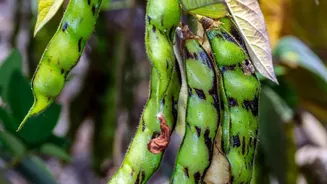
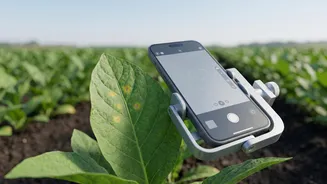
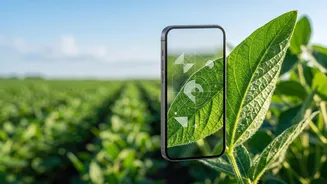
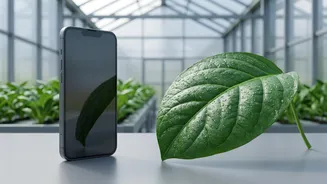
The core innovation lies in accessible artificial intelligence. Farmers are using mobile applications that turn their phone's camera into a diagnostic tool. By simply taking a photo of a distressed plant leaf, the app can identify specific diseases, pest
infestations, or nutrient deficiencies. This shift from reactive to proactive farming is a game-changer. Instead of relying on guesswork or waiting for a widespread outbreak, a farmer can get an instant, data-driven diagnosis. These AI models are trained on vast image libraries of plant diseases, allowing them to spot subtle signs of trouble long before they become visible to the naked eye.
How It Works on the Ground
The process is remarkably simple. A farmer notices a suspicious spot on a cotton plant or a yellowing leaf on a wheat stalk. They open an app like Plantix or a university-developed tool, snap a clear picture, and upload it. The app's AI, often using a technology called deep learning, compares the photo to thousands of known issues. Within seconds, it might return a diagnosis, such as a specific fungal infection or an early-stage pest attack. Crucially, the app doesn't just identify the problem; it provides actionable advice. This can include recommendations for specific treatments, information on whether the issue is spreading in the local area, and guidance on the most effective and resource-efficient way to intervene. Many of these systems work in local languages, making them highly accessible.
The Low-Cost Revolution
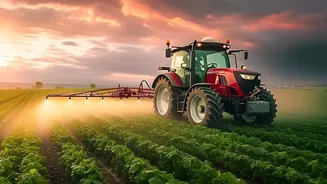
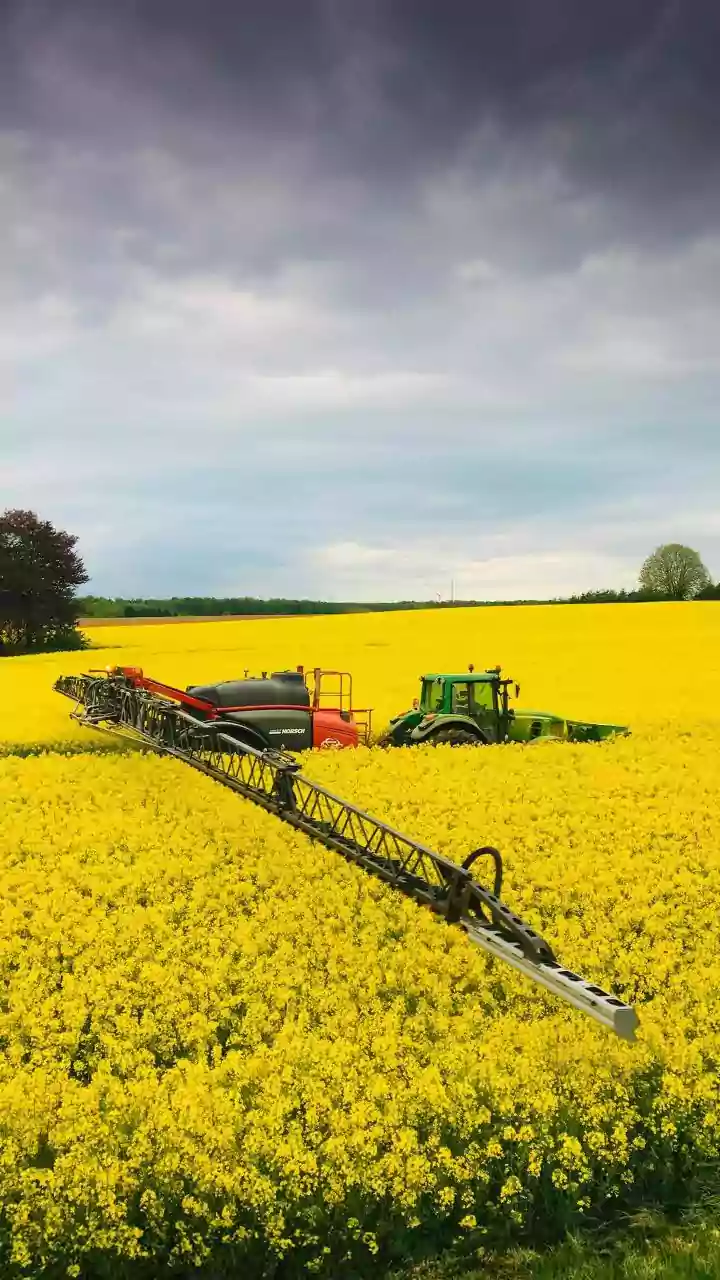
The most powerful aspect of this technology is its affordability. This isn't about expensive, high-end machinery like automated tractors, which are also being developed but remain out of reach for most. Instead, this revolution is powered by the low-cost smartphone, which is already in the hands of millions. Many of the diagnostic apps are free or low-cost, designed to work even in areas with limited internet connectivity by processing data directly on the phone. Startups and agricultural incubators, some supported by institutions like the Punjab Agri Business Incubator, are focusing on these 'small AI' solutions that provide immediate value without requiring massive capital investment. This approach empowers smallholder farmers, who make up the backbone of Indian agriculture, to benefit from precision agriculture—a practice once reserved for large, industrialized farms.
Saving More Than Just Crops
The impact goes far beyond saving a single harvest. By enabling early and precise intervention, these AI tools help farmers reduce the overuse of pesticides and fertilizers. This not only cuts down on input costs, a major financial burden, but also promotes more sustainable farming practices and protects the environment. The targeted advice means less chemical runoff into soil and water. Furthermore, the ability to quickly mitigate a pest attack or disease can be the difference between a profitable season and devastating losses, directly improving a farmer's income and resilience. Some platforms integrate this diagnostic data with market price information and weather forecasts, providing a comprehensive decision-making toolkit that helps farmers manage everything from sowing to selling.