






Beyond the Comfort Classics
For generations, monsoon cuisine in India has been defined by a specific set of ingredients and dishes. It’s a season of deep-fried delights to counter the gloom, of warm broths to soothe the soul, and of specific vegetables that thrive in the wet conditions.
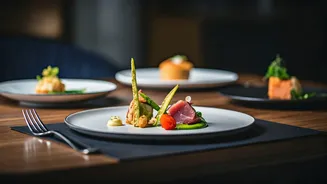
While the love for pakoras and samosas is eternal, the fine-dining landscape is now offering a thrilling alternative. Innovative chefs are venturing beyond conventional produce markets and into the wild, rediscovering a treasure trove of forgotten ingredients that flourish during the rains. This isn’t just about adding a new vegetable to the menu; it’s a philosophical shift that champions hyperlocalism, sustainability, and the incredible biodiversity of the Indian subcontinent.
What Exactly Are These Wild Ingredients?
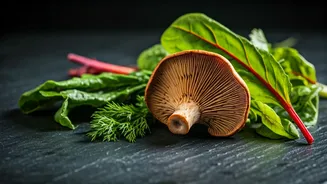
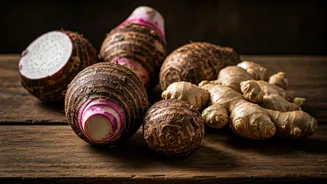
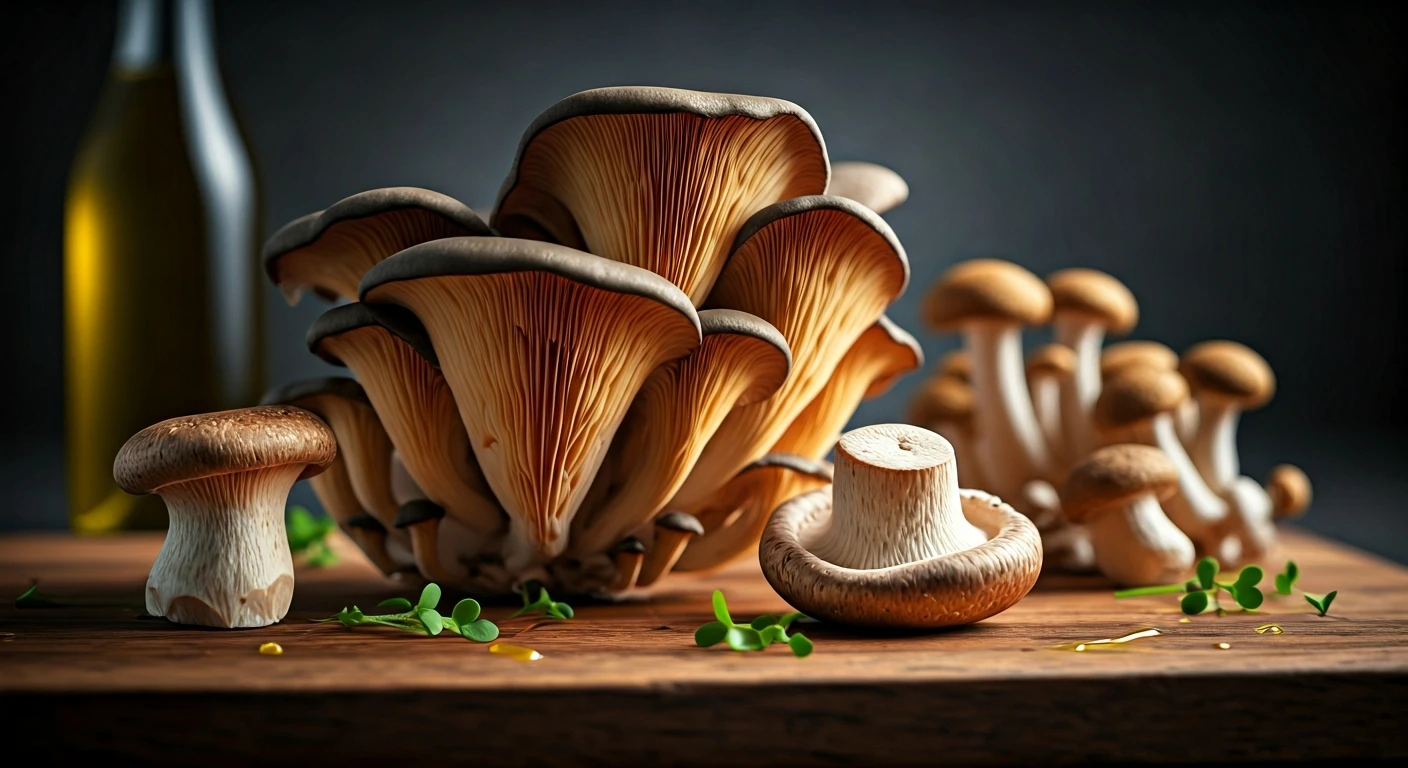
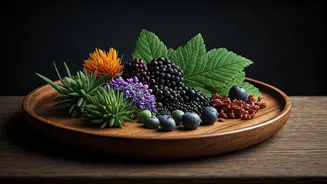
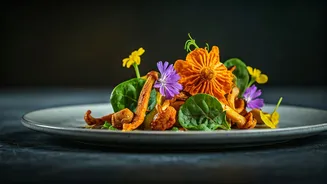
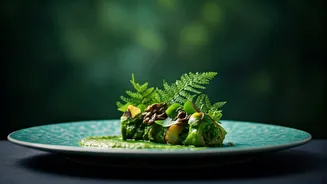
Forget imported asparagus and kale. The stars of these new monsoon menus are humble, foraged greens and vegetables that have been part of regional diets for centuries but were pushed aside by modern agriculture. In Maharashtra, for instance, chefs are celebrating 'raan bhaji' (wild vegetables). Think of Phodshi, a delicate, grassy-flavoured wild dill, often simply tossed with garlic. Or Kurdu, the tender leaves of the cockscomb flower, which have a texture similar to spinach and a mild, earthy taste. Another is Takla, a leafy green that grows abundantly in the wild and is known for its distinct aroma and health benefits. Beyond greens, menus are featuring wild mushrooms that pop up in forests after the first few showers, tart, wild berries like karvanda, and even flowers from local plants, used in everything from salads to syrups. These ingredients bring a complexity and sense of place that cultivated vegetables often lack.
The Philosophy: From Farm-to-Table to Forest-to-Fork
Why this sudden interest in foraged foods? It’s an evolution of the farm-to-table movement. While sourcing from local farms was a great first step, foraging takes it further by directly engaging with the natural ecosystem. For chefs, it’s a creative challenge that forces them to cook with what nature provides, moment to moment. This approach is inherently sustainable, as it relies on plants that grow naturally without the need for intensive farming, pesticides, or long-distance transportation. It also serves a vital cultural purpose. By putting these ingredients on their menus, chefs are reviving lost culinary knowledge, creating a new market for local foragers, and re-introducing a generation of diners to the authentic flavours of their own region. It’s a delicious form of environmentalism that connects the plate directly to the land.
Chefs Leading the Green Revolution
This movement isn't happening in a vacuum. It’s being driven by a passionate group of chefs in cities like Mumbai, Delhi, Bengaluru, and Goa. Restaurants known for their modern Indian or regional-focused cuisine are at the forefront. They work closely with networks of foragers and tribal communities who possess generations of knowledge about what is edible, when it should be picked, and how it is traditionally used. These chefs aren't just dumping wild greens into a pan; they are studying them. They experiment with techniques—fermenting, pickling, dehydrating, and creating infusions—to bring out the unique character of each ingredient. The result is dishes that are not only delicious but also tell a story about the season, the land, and its people.
How to Get a Taste of the Wild
Experiencing this trend is an adventure for your palate. The best way to start is by keeping an eye out for special monsoon menus at restaurants that emphasize local and seasonal sourcing. Many establishments proudly highlight their use of foraged ingredients. Don’t be afraid to ask the staff about the day’s specials or the story behind an unfamiliar ingredient on the menu. This isn’t just a meal; it’s an education. By choosing to eat these dishes, you are not only treating yourself to unique and exciting flavours but also supporting a more sustainable and culturally rich food system. It’s a chance to taste the monsoon in a way you’ve never imagined—fresh, wild, and utterly captivating.