




Starting a fitness journey is exciting, but jumping in too quickly can lead to injury and burnout. This guide provides the essentials for beginners to increase exercise gradually, with a special focus on protecting your joints along the way.
Start with Low-Impact Cardio
The foundation
of any beginner's fitness plan should be low-impact cardiovascular exercise. These activities raise your heart rate without putting excessive stress on your ankles, knees, and hips. Walking is the most accessible option; begin with 10-15 minute sessions on flat surfaces and slowly increase your duration. Other excellent choices include swimming, cycling, and using an elliptical trainer. Water-based exercises like swimming or water aerobics are particularly beneficial, as the water's buoyancy supports your body weight, making it one of the most joint-friendly workouts available. The goal is to build a consistent habit. Aim for at least 150 minutes of moderate activity per week, which you can break into smaller, manageable chunks like 30 minutes, five days a week.
Warm-Up and Cool-Down Are Non-Negotiable
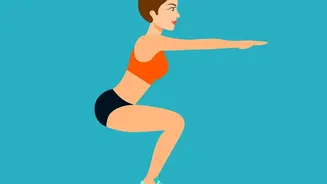
Never skip your warm-up or cool-down. A proper warm-up, lasting 5-10 minutes, prepares your body for activity by increasing blood flow to the muscles and lubricating your joints. Focus on dynamic movements, which are active stretches that take your body through a range of motion. Examples include arm circles, leg swings, and bodyweight squats. A cool-down is equally important. It allows your heart rate to return to its resting state gradually. Spend 5-10 minutes walking slowly and performing static stretches—holding a stretch for 15-30 seconds—on the muscles you just worked. This helps improve flexibility and can reduce post-workout stiffness.
Introduce Bodyweight and Resistance Training
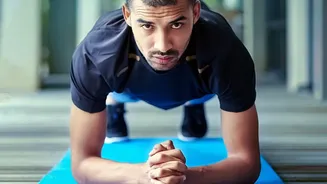
Strength training is crucial for building the muscles that support and protect your joints. You don't need heavy weights to start. Begin with bodyweight exercises that focus on proper form. Moves like wall sits, incline pushups (using a table or countertop), and glute bridges are excellent for building foundational strength safely. As you get stronger, you can progress to exercises like goblet squats and reverse lunges, ensuring your knees stay aligned and don't go past your toes. Resistance bands are another fantastic, low impact tool for adding a challenge without overloading the joints.
The Principle of Gradual Progression
The secret to long term success is 'progressive overload'—the principle of gradually increasing the demands on your body so it continues to adapt and get stronger. For beginners, this should be a slow and steady process. A widely recommended guideline is the '10 percent rule': do not increase your weekly activity—whether it's duration, distance, or weight—by more than 10 percent from the previous week. This could mean adding a few minutes to your walk, adding one or two more repetitions to a strength exercise, or slightly increasing the resistance. This methodical approach prevents your body from becoming overwhelmed and significantly reduces your risk of injury.
Listen to Your Body and Prioritize Rest
It's normal to feel some muscle soreness when you start a new routine, but it's vital to distinguish between the good ache of worked muscles and sharp, persistent pain. Pain is your body's signal to stop and rest. Ignoring it can lead to injury. Rest days are not a sign of weakness; they are essential for recovery and muscle repair, which is when you actually get stronger. Plan for at least one or two rest days per week in your schedule. If you feel exhausted or your performance declines, it might be a sign you need more recovery time. Sustainable progress is a marathon, not a sprint.