



The Plastic Inside Us
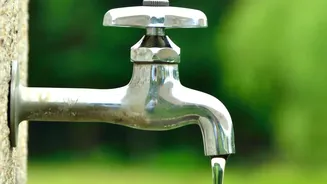
Microplastics are minuscule plastic fragments less than five millimetres long, and they are everywhere — in our oceans, our soil, our air, and our bodies. Studies have shown that drinking water is a major source of ingestion. One report indicated that 82.4%
of tap water samples in India were contaminated with plastic fibres. While the full, long-term health effects are still being researched, these particles can absorb and release toxic chemicals. Conventional water treatment methods are not always effective at removing these tiny invaders, which can come from the breakdown of larger plastic waste, synthetic clothing fibres, and even wear from plastic pipes in water distribution networks. This has created an urgent need for accessible and affordable filtration solutions.
An Ancient Solution, Reimagined
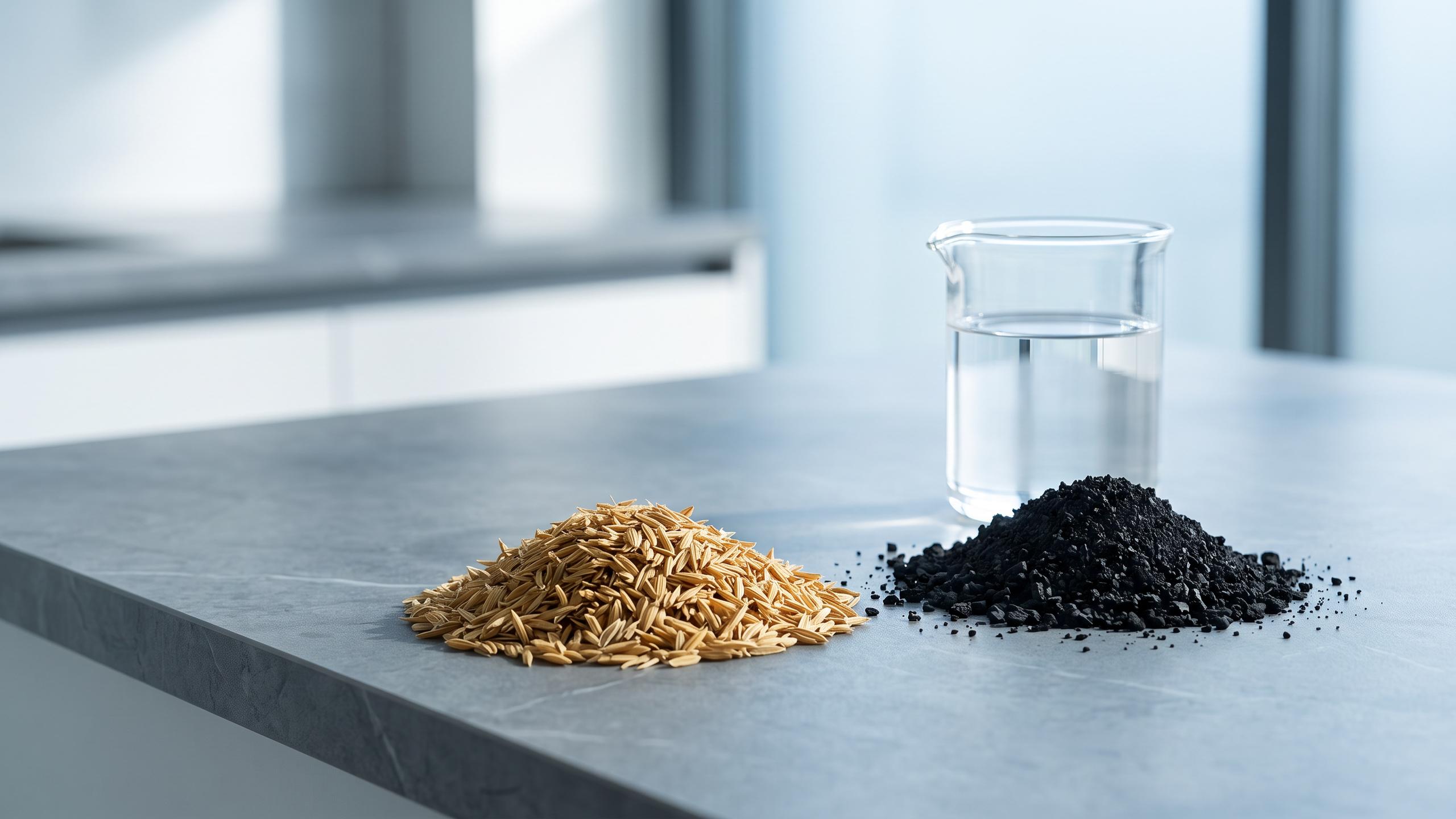
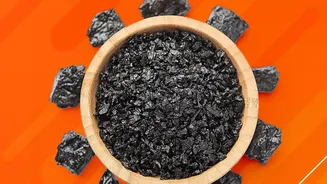
Enter biochar. It’s essentially a special type of charcoal, made by heating organic materials like wood, manure, or agricultural waste in a low-oxygen environment through a process called pyrolysis. The result is a black, lightweight, and incredibly porous material. This isn't a new invention; ancient Amazonian communities created super-fertile soils, known as 'terra preta', by adding charcoal waste. Today, scientists are rediscovering its power, not just for soil, but for cleaning our water. Its vast internal surface area, full of microscopic nooks and crannies, makes it an excellent natural filter.
From Farm Waste to Water Filter
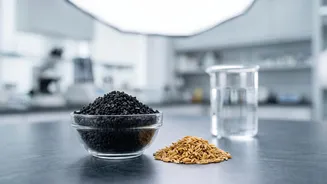
One of the most compelling aspects of biochar is its feedstock: waste. In India, the burning of crop residue is a massive environmental problem, contributing heavily to air pollution. Biochar production offers a way to valorize this agricultural waste. Crop residues like rice husks, wheat straw, and sugarcane bagasse can all be converted into biochar. This creates a perfect circular economy: a harmful waste product is transformed into a valuable material that can solve another critical environmental problem — water contamination. This process turns a disposal challenge into a sustainable resource.
How It Traps Microplastics
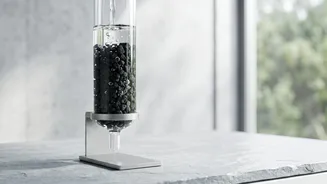
The magic of biochar lies in its porous structure and surface chemistry. When water containing microplastics flows through a biochar filter, a few things happen. The process is primarily one of adsorption, where pollutants stick to the surface of the char. The tiny plastic particles are physically trapped in the complex network of pores. Additionally, chemical interactions like electrostatic and hydrophobic forces can cause the plastics to bind to the biochar's surface. Studies have shown this method can be highly effective, with some research indicating removal rates of over 90% for certain microplastics, outperforming some traditional methods.
The 'Cheap Safety' Advantage
This is where biochar truly stands out, especially for developing regions. Its production cost is significantly lower than that of conventional filter materials like activated carbon, which is energy-intensive to produce. One analysis showed that biochar can be produced for a fraction of the cost of industrial-grade activated carbon. Because it can be made locally from readily available agricultural waste, it reduces reliance on expensive, imported materials. This makes it a 'fit-for-purpose' solution that could be deployed in decentralized, community-scale, or even household filters, providing an affordable safeguard where advanced infrastructure is lacking.