




Your Tires: The First Line of Defence
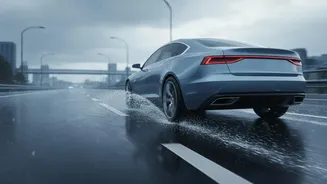
Your tires are the only part of your vehicle in contact with the road, and their importance is magnified on wet surfaces. The primary danger during monsoon driving is hydroplaning. This happens when a layer of water builds up between your tires and the road surface,
causing a loss of traction and control. It can feel like skidding on ice. The key to preventing this is ensuring your tires can effectively channel water away from their contact patch. Properly maintained tires with good tread depth and correct pressure are crucial for maintaining grip and control in heavy rain. Worn tires are a leading cause of skids during the monsoon.
Check Your Tread Depth
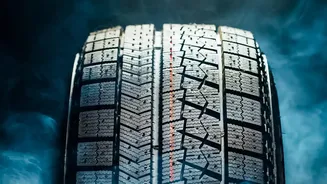
Tire tread consists of the grooves on your tire's surface designed to push water away. Over time, this tread wears down. For monsoon driving, a minimum tread depth of 2mm is often recommended to provide adequate grip on wet roads. There are a couple of simple ways to check this. Many tires have built-in tread wear indicators—small raised bars in the grooves. If your tread is flush with these bars, it's time for a replacement. Another popular method in India involves a one-rupee coin. If you insert the coin into the tread and the top of the Ashoka Pillar is hidden by the rubber, your tread depth is likely sufficient. If the pillar is visible, you should get your tires checked professionally.
Maintain Correct Tire Pressure
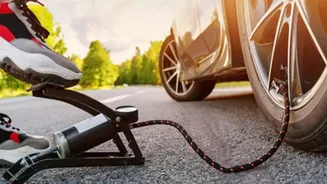
Contrary to some myths, you should not under-inflate or over-inflate your tires for rainy conditions. The safest tire pressure for driving in the rain is the normal pressure recommended by your vehicle’s manufacturer. This information can be found on a sticker inside the driver's side door jamb or in your owner's manual. Under-inflated tires can increase the risk of hydroplaning because the center of the tread may lift from the road, preventing water from being displaced effectively. Over-inflated tires, on the other hand, have a smaller contact patch with the road, which also reduces traction. Always check the pressure when the tires are cold for an accurate reading.
Understanding Your Fog Lights
During a heavy monsoon downpour at night, visibility can drop dramatically. In these conditions, your regular high-beam headlights can make things worse. The light reflects off the raindrops, creating a wall of glare that further obstructs your vision. This is where fog lights become essential. Mounted low on the vehicle, they cast a wide, flat beam that illuminates the road surface beneath the rain and fog, helping you see road markings and edges without causing reflective glare.
When and How to Use Fog Lights
Fog lights should only be used in situations of severely reduced visibility, such as heavy rain, dense fog, or dust storms, where your standard headlights are insufficient. They are not for use in clear weather, as their brightness can dazzle other drivers. Before you need them, locate the switch for your fog lights—it's usually on the headlight stalk or dashboard, marked with a specific symbol. Remember to switch them off as soon as visibility improves to avoid distracting others on the road. Some cars also have red rear fog lights, which are as bright as brake lights and should be used to make you more visible from behind in dense spray.