





For generations, the Indian dining table has been a symbol of abundance and hospitality. But in a nation facing rising lifestyle diseases, a new trend is emerging: portion awareness, offering a happy medium to enjoy food without guilt or deprivation.
Beyond the All-or-Nothing Approach
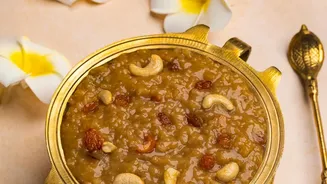
Indian culture often presents two extremes when it comes to food: the unrestrained joy of festive meals and weddings, where refusing a second helping is almost a social slight, and the rigid self-denial of strict diet plans. This binary has left many struggling to find a sustainable path to health. Portion awareness is emerging as that much-needed middle ground. It’s not about eliminating favourite foods like biryani or gulab jamun, but rather about being mindful of how much you consume in one sitting. This shift moves the focus from 'what' to 'how much', allowing people to participate in cultural traditions without the subsequent guilt or health repercussions of overindulgence.
What Portion Awareness Really Means
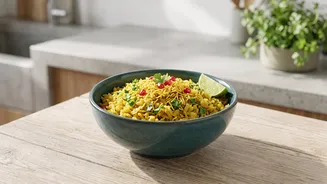
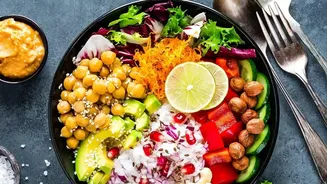
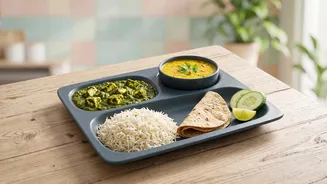
Contrary to popular belief, portion awareness is not simply calorie counting in disguise. It is a form of mindful eating that encourages you to listen to your body’s natural hunger and satiety cues. It’s about understanding what a balanced plate looks like—a concept gaining traction among nutritionists in India. A popular guideline suggests filling half your plate with vegetables, a quarter with protein (like dal or paneer), and the final quarter with carbohydrates (like rice or roti). This approach ensures nutritional balance without the complex task of weighing food. The practice also involves simple environmental changes, such as using smaller plates and bowls, which can trick the brain into feeling satisfied with less food.
A Cultural Shift Driven by Health
The rise of portion awareness in India is no accident. It’s a direct response to growing concerns over lifestyle diseases like diabetes and heart conditions, which are increasingly linked to diet. As urban Indians lead more sedentary lives, the traditional, carb-heavy diets can contribute to weight gain and associated health issues. This health-consciousness, combined with global wellness trends, has created a generation of diners who are actively seeking balance. They want to honour their culinary heritage without compromising their long-term health, and portion control provides a practical and effective strategy to do just that.
How Restaurants Are Responding
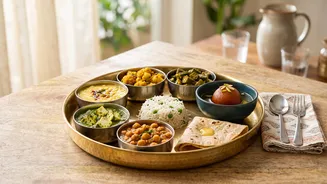
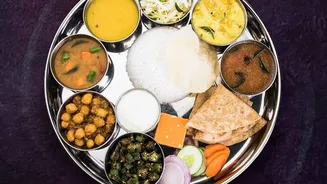
The food and beverage industry has been quick to notice this shift in consumer behaviour. Many modern Indian restaurants, especially in metropolitan areas, are moving away from oversized, family-style mains towards menus featuring small plates, tapas-style offerings, and the option of 'half portions'. This allows diners to sample a wider variety of dishes without committing to a large entrée, satisfying the palate without overwhelming the stomach. The traditional thali, with its small, pre-portioned bowls, is also seeing a resurgence as a model of balanced eating. These changes reflect a commercial understanding that today's diner values quality and variety over sheer quantity.
Bringing Mindful Portions Home
Adopting portion awareness at home doesn't require a complete kitchen overhaul. It starts with simple, conscious habits. Plating food in the kitchen rather than placing large serving dishes on the dining table can prevent mindless second helpings. Eating slowly and without distractions like the television or a smartphone allows your brain the time it needs to register fullness, preventing overeating. Another easy trick is the 'hand guide': using your palm to estimate a protein serving, a fist for vegetables, and a cupped hand for carbohydrates provides a portable, personalized portion tool that scales with your body size. By incorporating these small changes, enjoying delicious home-cooked Indian meals can become a guilt-free, nourishing experience.