

The Art and Aroma of Tadka
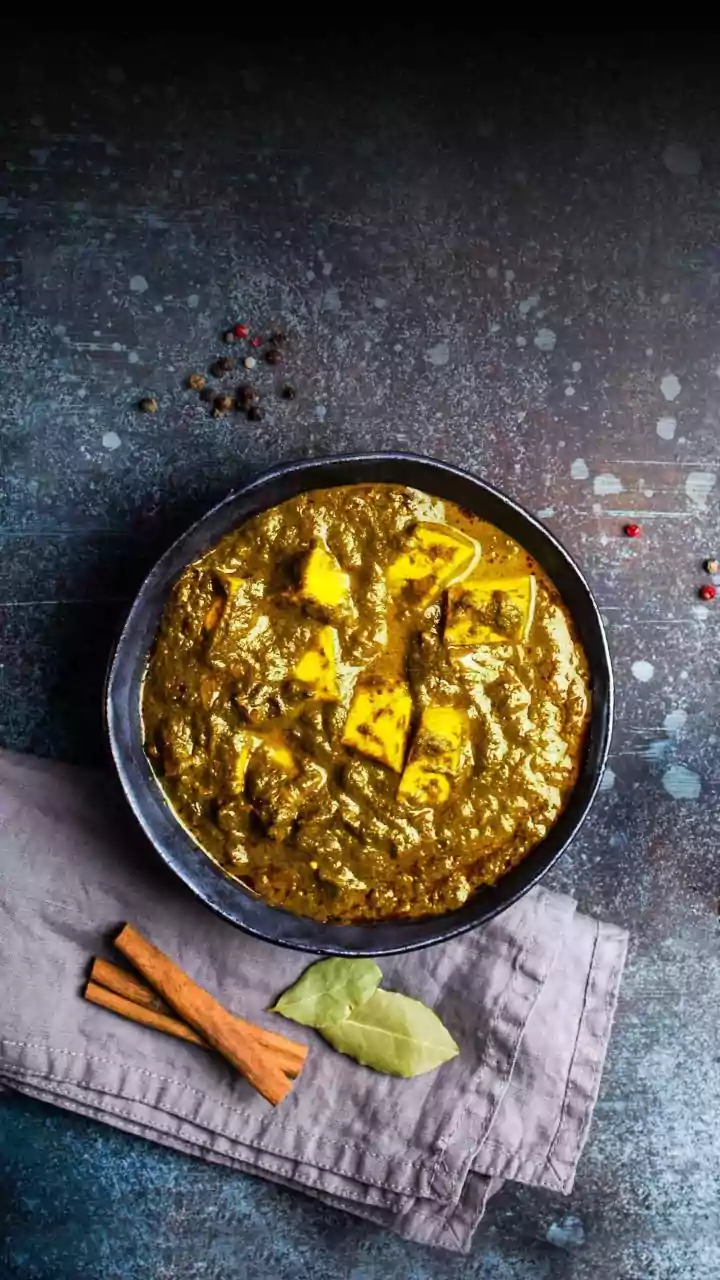
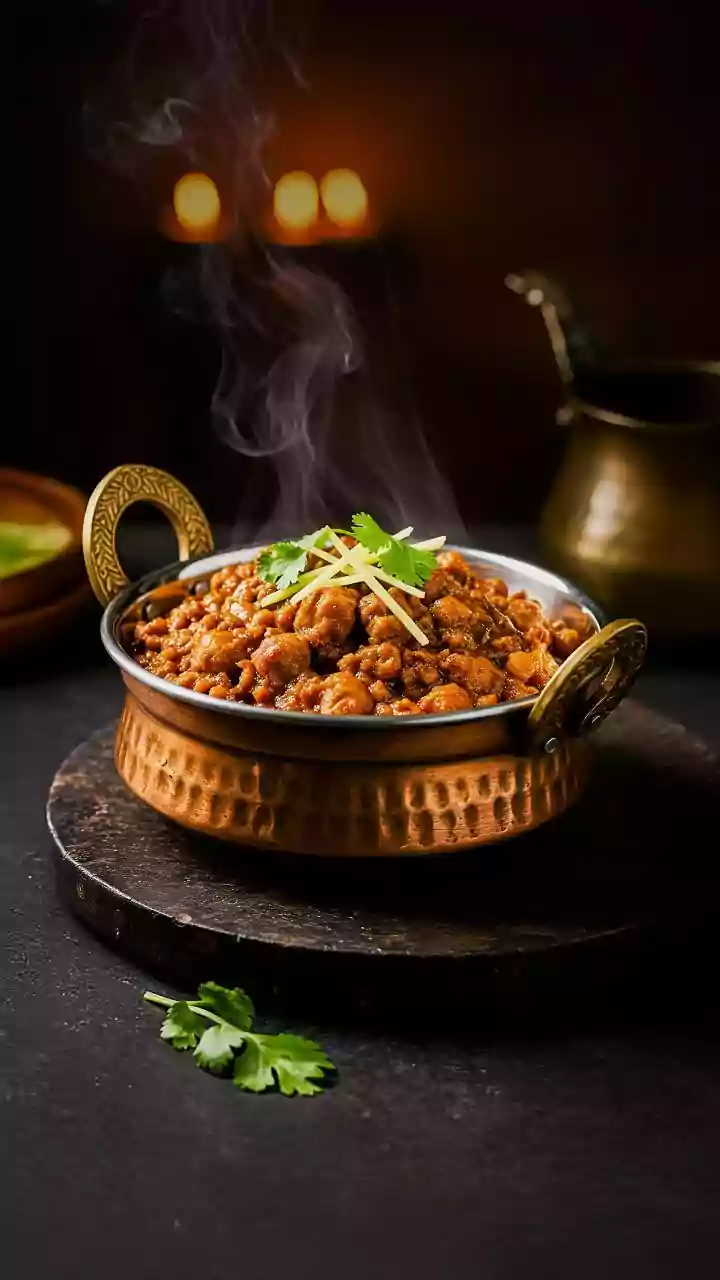
In kitchens across India, most culinary creations are incomplete without a final flourish known as 'tadka' or 'chaunk'. This process involves briefly frying whole or ground spices in hot fat, like ghee or oil, before adding them to a dish. It’s a foundational
technique that defines the flavour profile of everything from dal and sambar to vegetable curries. For generations, this has been the method for building layers of aroma and taste. But what was long practised as culinary tradition is now being understood as a sophisticated, science-backed method for enhancing both the flavour and nutritional value of food. This is where ancient wisdom, passed down in kitchens, meets modern nutritional science.
Unlocking Spices with Fat
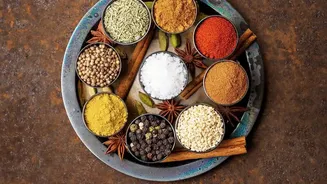
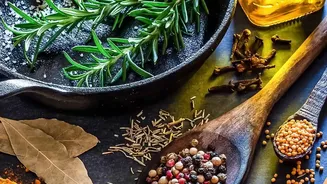
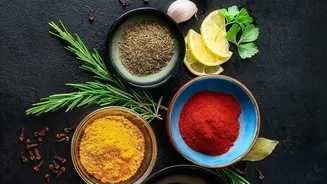
The magic of tadka lies in a simple chemical principle: many of the most important compounds in spices are 'lipophilic', meaning they are fat-soluble, not water-soluble. Spices like turmeric, cumin, and chilli contain powerful bioactive ingredients, such as curcumin and capsaicin, which are responsible for their distinct flavours, colours, and health benefits. These compounds are locked within the tough cellular walls of the spice. When dropped into hot water, their flavours and nutrients remain largely trapped. However, when bloomed in hot fat, the heat ruptures these cell walls, allowing the aromatic essential oils and beneficial compounds to dissolve completely into the oil. The hot fat essentially becomes a flavour-infused carrier, distributing the essence of the spices evenly throughout the entire dish.
The Science of Bioavailability
Beyond just extracting flavour, tempering in fat dramatically increases the 'bioavailability' of the spices’ nutrients. Bioavailability refers to how well your body can absorb and utilise a substance. Many medicinal compounds in spices have low bioavailability on their own. For example, curcumin, the celebrated anti-inflammatory compound in turmeric, is poorly absorbed by the body when consumed alone. However, heating it in a healthy fat like ghee or oil makes it far more accessible for absorption. The same principle applies to other spices. Studies have shown that combining spices with fats can also stimulate bile secretion and digestive enzymes, further aiding in the digestion and absorption process. Adding black pepper, which contains piperine, further enhances curcumin's absorption, a classic combination validated by science.
Ancient Wisdom Meets Modern Validation
This scientific validation confirms what Ayurvedic principles and generational cooking practices have taught for centuries. Ayurveda has long recognised fat ('Sneha') as a crucial vehicle for delivering the medicinal properties of herbs deep into the body's tissues. The practice of tadka wasn't a random culinary quirk; it was an intuitive understanding of chemistry. Research from institutions like Penn State University has further shown that adding a blend of spices to a high-fat meal can help reduce the body's negative responses, such as a spike in triglycerides, by as much as 30 percent. This suggests the combination of fats and spices is not just for absorption, but may also help mitigate some of the less desirable effects of fatty foods.
Choosing Your Fats Wisely
The 'healthy fats' part of the equation is just as important. Traditional Indian cooking has long favoured fats with high smoke points, like ghee, coconut oil, and mustard oil, for tempering. Ghee, in particular, can withstand the high temperatures needed to pop mustard seeds and toast other spices without burning and turning bitter. These fats not only act as a perfect medium for extracting flavours but also bring their own nutritional benefits to the table. Modern science affirms that these fats are more stable at high heat compared to many refined vegetable oils, making them a healthier choice for this high-heat cooking method. Using the right fat ensures the tadka is both delicious and health-promoting, completing the circle of this scientifically sound culinary practice.