

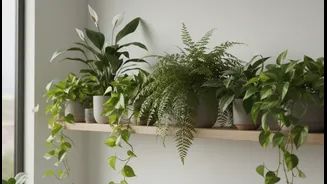




The Hydration Check and Soil Aeration
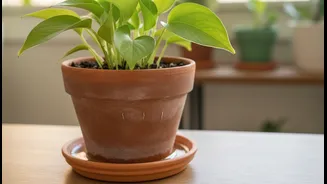
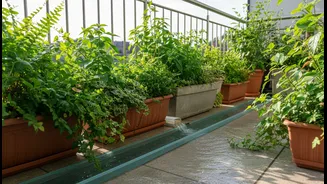
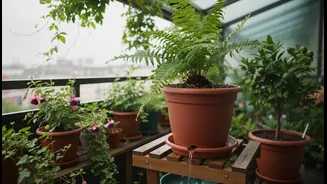
Overwatering is the number one killer of container plants. Before you water, perform the knuckle test: stick your finger about an inch into the soil. If it feels dry, it's time to water. If it's damp, wait another day. When you do water, do it deeply
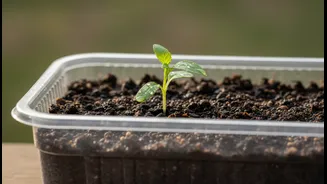
until it runs out of the drainage holes, ensuring the entire root system gets a drink. During hot Indian summers, you might need to water more frequently, sometimes even twice a day for thirsty plants. While you’re there, gently poke the top layer of soil with a small tool to aerate it. This helps oxygen reach the roots and prevents the soil from becoming too compacted.
The Pest and Disease Patrol
A weekly inspection is your best defence against pests like mealybugs, aphids, and spider mites that can quickly take over a balcony garden. Look closely at the undersides of leaves, along the stems, and at new growth points. If you spot any unwelcome visitors, you can often handle them by wiping them off with a damp cloth or a bit of soapy water. For more persistent issues, a simple spray made from neem oil is an effective organic solution widely used in India. Also, remove any yellowing or diseased leaves immediately to prevent problems from spreading to other plants.
Prune, Deadhead, and Tidy Up
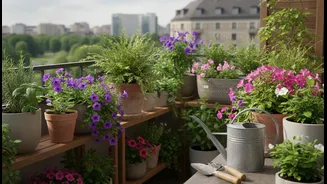
Regular grooming not only keeps your plants looking neat but also encourages healthy new growth. Snip off any dead or yellowing leaves and spent flowers, a process known as deadheading. This tells the plant to direct its energy into producing new blooms and leaves instead of seeds. This is also a good time to remove any weeds that may have sprouted in your pots, as they compete with your plants for nutrients and water. Wiping dust off the leaves of larger plants with a damp cloth helps them breathe and absorb sunlight more efficiently.
The Quarter-Turn Rotation
Plants are natural sun-seekers and will often lean or stretch towards the light source. To ensure they grow evenly and stand up straight, give each pot a quarter turn every week. This simple action exposes all sides of the plant to sunlight over time, promoting balanced, symmetrical growth. It’s especially important for balconies that only receive light from one direction. This rotation ensures that the side of the plant facing away from the sun gets its share, preventing lopsided shapes and weak stems.
A Light Weekly Feeding
Plants in containers have limited access to nutrients because frequent watering washes them out of the soil. During the growing season, many balcony plants, especially vegetables and flowering annuals, benefit from a weekly feeding. Use a diluted liquid fertiliser mixed with water. This provides a consistent supply of essential nutrients to support lush foliage and abundant blooms. Always fertilise on moist soil to avoid burning the roots, and follow the product's instructions for dilution. In winter, you can reduce feeding as plant growth slows down.