





The Green Revolution in City Apartments
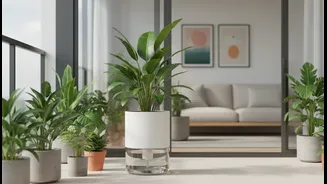
There’s a quiet but lush revolution happening across India’s metropolitan hubs. In Mumbai, Bengaluru, Delhi, and beyond, a growing number of urban dwellers, particularly millennials and Gen Z, are transforming their living spaces with indoor plants. This
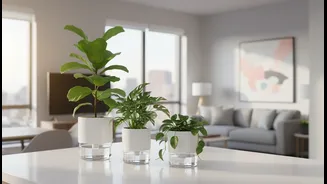
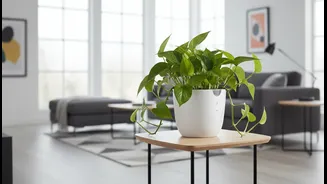
isn't just about aesthetics; it's a movement driven by a desire for wellness, a connection to nature amidst the concrete, and the satisfaction of nurturing something real. The term 'plant parent' is now a badge of honour, seen proudly on social media profiles, signifying a shift from gardening as a retiree's hobby to a cool, sustainable pursuit for the younger generation. This boom has turned nurseries and online plant stores into bustling hubs for everything from hardy snake plants to trendy Fiddle Leaf Figs.
The Plant Parent's Dilemma
While the joy of seeing a new leaf unfurl is immense, the responsibility can be daunting. Busy work schedules, frequent travel, and the simple anxiety of a first-time plant owner lead to a common tragedy: the overwatered or underwatered plant. For every thriving money plant, there's a cautionary tale of a beloved fern that didn't survive a weekend away. This collective anxiety has created a demand not just for low-maintenance plants, but for tools that can take the guesswork out of plant care. People want the green without the constant worry, leading them to seek out smarter solutions.
Enter: The Self-Watering Pot
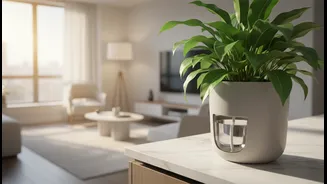
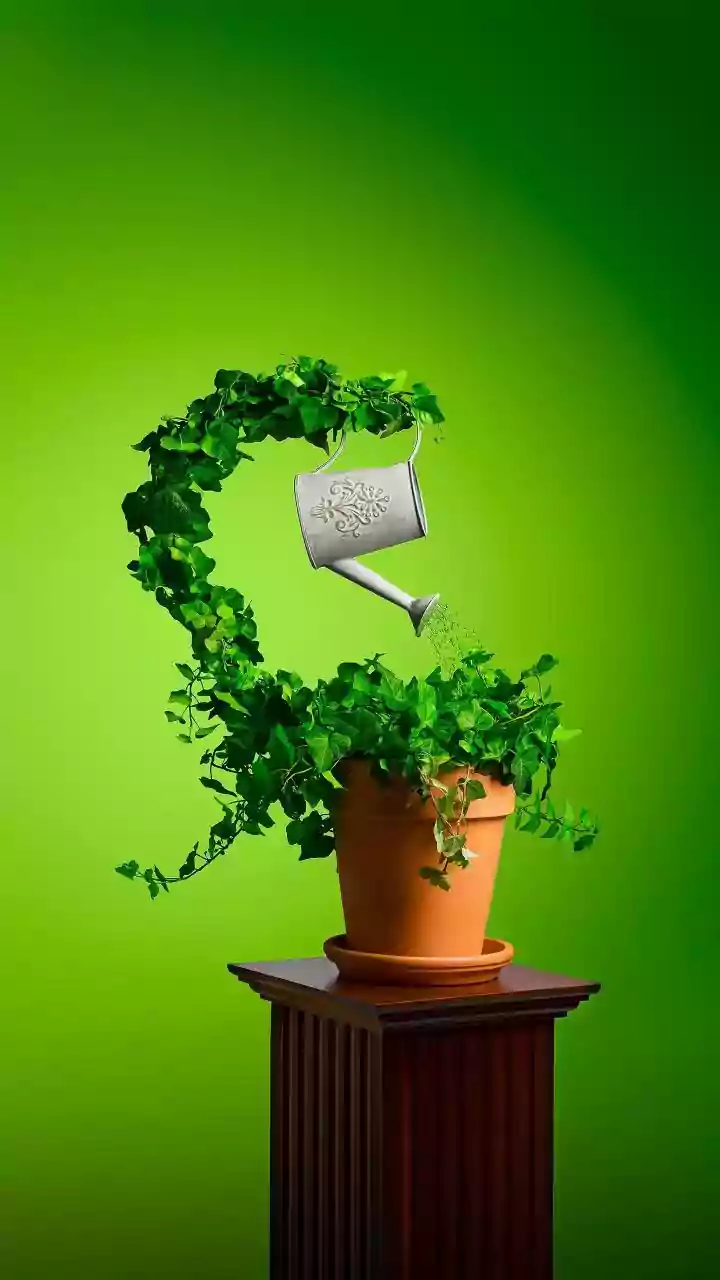
This is where the self-watering pot comes in. While not a new invention, its popularity in the Indian market is a direct response to the current plant craze. These pots are designed for convenience, offering a solution to the most common cause of plant demise. They are essentially a two-part system: a main growing pot for the plant and soil, and a built-in water reservoir below. This setup allows you to water less frequently—sometimes only once a week or even less—making them ideal for busy people and frequent travellers.
How Do They Actually Work?
The magic is in a simple scientific principle: capillary action. A wicking system, often a string or absorbent material, connects the water in the reservoir to the soil in the pot. The soil then draws water up through the wick as it begins to dry out. This means the plant effectively takes a drink whenever it needs one, regulating its own water intake. This bottom-up watering method ensures the roots get consistent moisture without being waterlogged, which is a major cause of root rot. It takes the daily question of 'Should I water it today?' out of the equation.
The Good and The Not-So-Good
The advantages are clear: convenience, water efficiency, and healthier plants by preventing both over- and underwatering. They are perfect for plants that prefer consistently moist soil, like peace lilies, ferns, and many herbs. However, they are not a one-size-fits-all solution. A key drawback can be the higher initial cost compared to a standard pot. Furthermore, they are not ideal for all plants; succulents and cacti that need their soil to dry out completely might suffer in such a system. There is also a risk of root rot if the system is not set up correctly or if the reservoir is constantly topped up without allowing for any dry period, as roots can become submerged.
Making the Right Choice
If you're considering a switch, there are a few things to keep in mind. For the Indian market, many manufacturers and online stores now offer a wide variety of self-watering pots in different materials, sizes, and price points, from basic plastic models to stylish decorative planters. Start with a plant you know loves moisture, such as a money plant (pothos) or a spider plant, as they adapt well. When you first pot the plant, it's important to water from the top to settle the soil and then fill the reservoir. Ensure the potting mix you use is light and airy, as heavy garden soil can become too compacted. Finally, remember to periodically flush the soil by watering from the top to wash away any mineral buildup.