




What Is the Summer Solstice?
At its heart, the summer solstice is a simple astronomical event with a grand effect. It's the moment when one of Earth's poles has its maximum tilt toward the Sun. For India and the rest of the Northern Hemisphere, this occurs around June 21. On this day,
the Sun reaches its highest and northernmost point in the sky, resulting in the longest period of daylight and the shortest night of the year. The word 'solstice' itself comes from the Latin words 'sol' (sun) and 'stitium' (to stand still), because the Sun’s apparent path across the sky appears to pause before reversing its direction.
The 'Geometric Instant' Explained
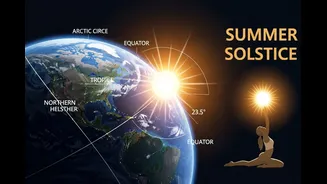
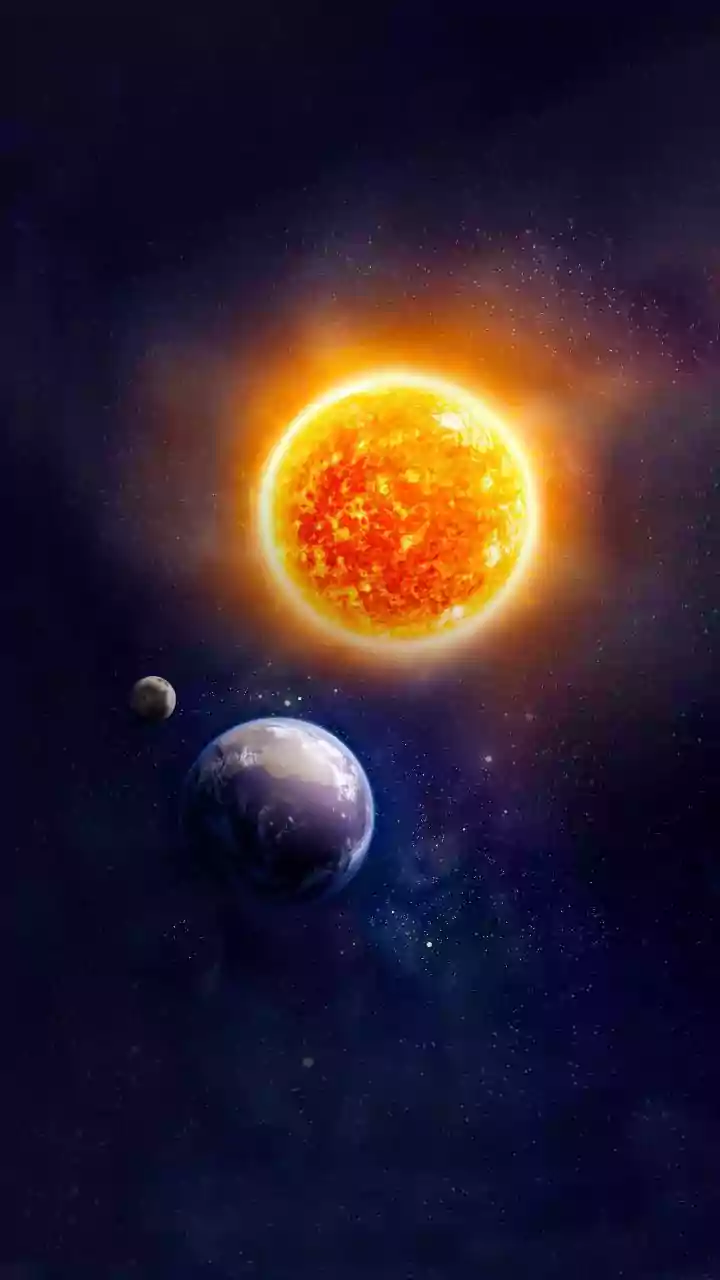
The headline's term 'geometric instant' refers to the fact that the solstice isn’t a day-long event, but a specific, fleeting moment. It’s the exact instant when the Earth's North Pole is tilted most directly towards the sun. Imagine Earth spinning on its axis, which is tilted at about 23.5 degrees. As our planet orbits the sun, this tilt means different parts of the globe receive more direct sunlight at different times of the year. The summer solstice is the precise geometric point in that orbit where the Northern Hemisphere's tilt is at its absolute maximum. Everything after this 'instant' marks the slow, gradual tilt away from the sun, leading eventually to the winter solstice.
Why Earth's Tilt Creates the Longest Day
The reason we experience seasons and varying day lengths is entirely down to this 23.5-degree axial tilt. It's not because Earth is closer to the sun in summer (in fact, the Northern Hemisphere is slightly farther away). During the June solstice, the Northern Hemisphere is angled towards the sun like a curious face leaning in for a closer look. This orientation means the sun’s rays hit our part of the world more directly and for a longer duration. The sun follows a higher, longer arc across the sky, taking more time to rise and set. This maximises the hours of daylight we receive, giving us the 'longest day'. Simultaneously, the Southern Hemisphere is tilted away, experiencing its shortest day and the start of winter.
But Is It the Hottest Day?
Logically, you might assume the day with the most sunlight would also be the hottest. However, that’s usually not the case. This phenomenon is due to 'seasonal lag'. The Earth's oceans and landmasses act like giant batteries; they absorb the sun's energy slowly and release it slowly. It takes weeks for them to heat up fully. So, while June 21 receives the most solar radiation, the peak summer heat in India typically arrives later, in July or even August, after the ground and water have had more time to warm up and radiate that heat back into the atmosphere.
Cultural Significance in India
The solstice holds deep cultural and spiritual significance in India. This period, known as Uttarayana, marks the sun's northward journey, a time considered auspicious in Hindu traditions. Ancient astronomical observatories, like the Jantar Mantar in Delhi and Jaipur, are perfectly designed to track the sun's path and pinpoint the solstice with remarkable accuracy. The day is also globally recognised as International Day of Yoga, a nod to yoga's Indian origins and its focus on balance and harmony—a fitting tribute to a day that marks a point of celestial equilibrium. For many communities, it’s a time for celebration, reflection, and honouring the life-giving power of the sun.