








Understanding the Grazing Habit
Grazing is the unstructured, often mindless, eating of food throughout the day. Think of it as eating without a plan: a handful of crisps while working, a few biscuits from the pantry, or finishing your child's leftovers. This pattern is often driven
not by true hunger, but by external cues like stress, boredom, or simply the availability of food. While it feels like you're just having small bites, grazing can lead to overconsumption of calories, poor nutrient intake, and a disconnect from your body's natural hunger and fullness signals. It's a reactive way of eating, where you respond to an urge rather than a genuine need for fuel.
The Power of Planned, Conscious Snacking
Snacking, in contrast, is intentional. It’s a planned eating occasion designed to be a small meal between your main meals. The purpose of a healthy snack is to bridge the gap, keeping your energy levels stable and preventing you from becoming overly hungry, which can lead to overeating later. A conscious snack is typically eaten in a defined portion, away from distractions like your work desk or the television. Because it's a planned behaviour, it’s less likely to be an impulsive reaction to emotions and more likely to consist of nutrient-dense foods that support your health goals.
Are You Truly Hungry?
The first step in making a conscious choice is to pause and ask yourself a simple question before reaching for food: “Am I physically hungry?” Physical hunger builds gradually, can be satisfied with different foods, and leaves you feeling content. Emotional hunger, on the other hand, often appears suddenly, craves a specific comfort food, and can leave you with feelings of guilt. Learning to distinguish between the two is crucial. If you suspect boredom or stress is the trigger, try a non-food-related activity first. A short walk, a few deep breaths, or a quick chat with a friend can often satisfy the underlying need without a single calorie.
How to Make the Shift to Mindful Snacking
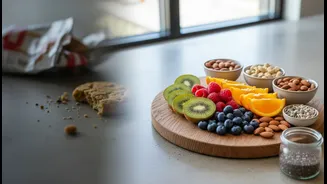
Transitioning from grazing to snacking is about creating structure, not restriction. Start by establishing a gentle rhythm for your day with set times for your main meals. Then, plan for one or two intentional snacks in between, ideally two to three hours after a main meal. When it's time for your snack, put a specific portion on a plate or in a bowl—don't eat directly from the container. Step away from screens and other distractions to focus on the food. By creating these simple rituals, you turn a mindless reflex into a mindful moment, allowing you to actually enjoy what you're eating and recognise when you're full.
Building a Better, More Satisfying Snack
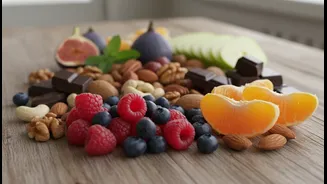
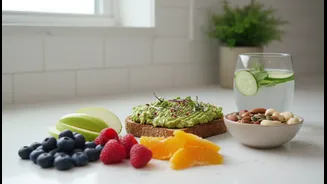
A successful snack provides staying power, keeping you full and focused until your next meal. To achieve this, aim for a combination of protein, healthy fats, and fibre. Instead of reaching for simple carbohydrates like crackers or pretzels on their own, which can lead to a blood sugar spike and crash, pair them with something more substantial. Good options include apple slices with peanut butter, Greek yogurt with berries, a handful of almonds, raw vegetables with hummus, or a hard-boiled egg. Pre-portioning these balanced snacks at the start of the week can make the healthy choice the easy choice when hunger strikes.