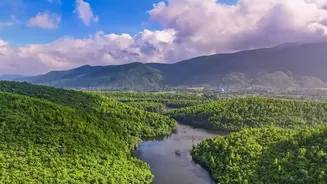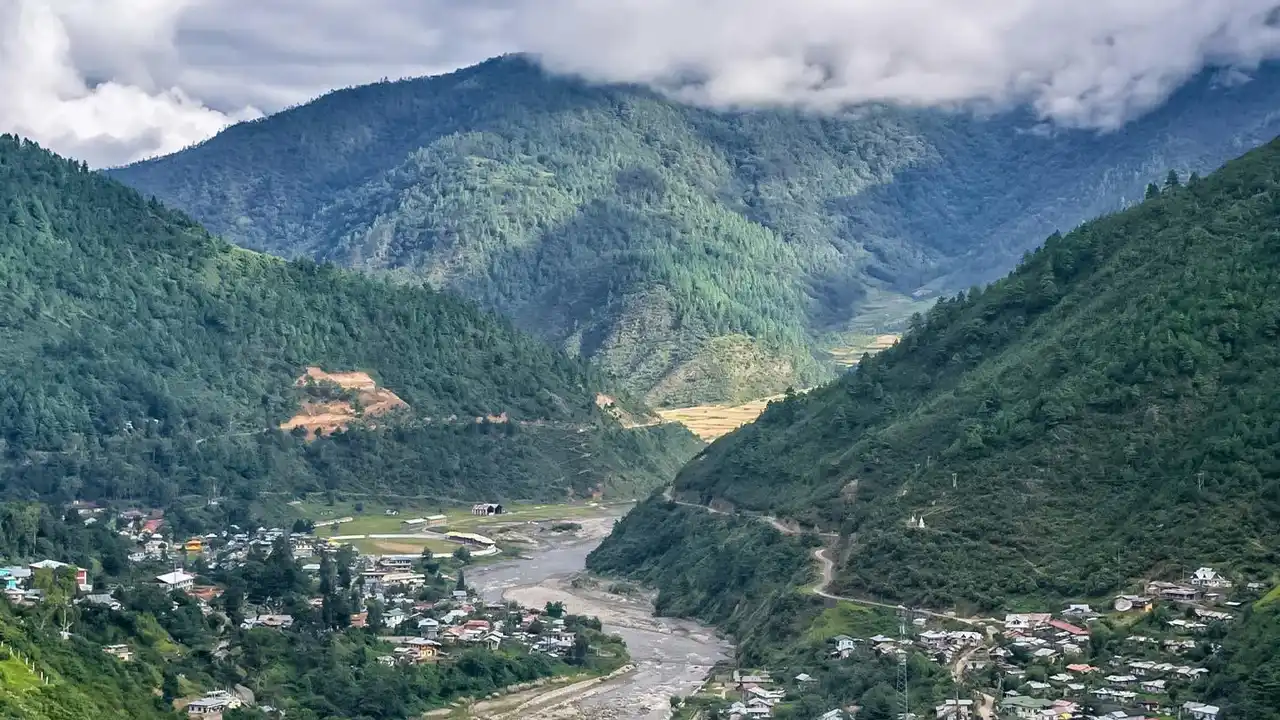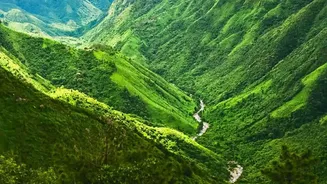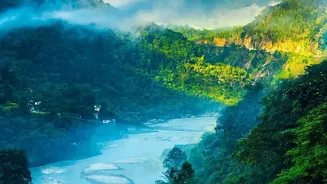


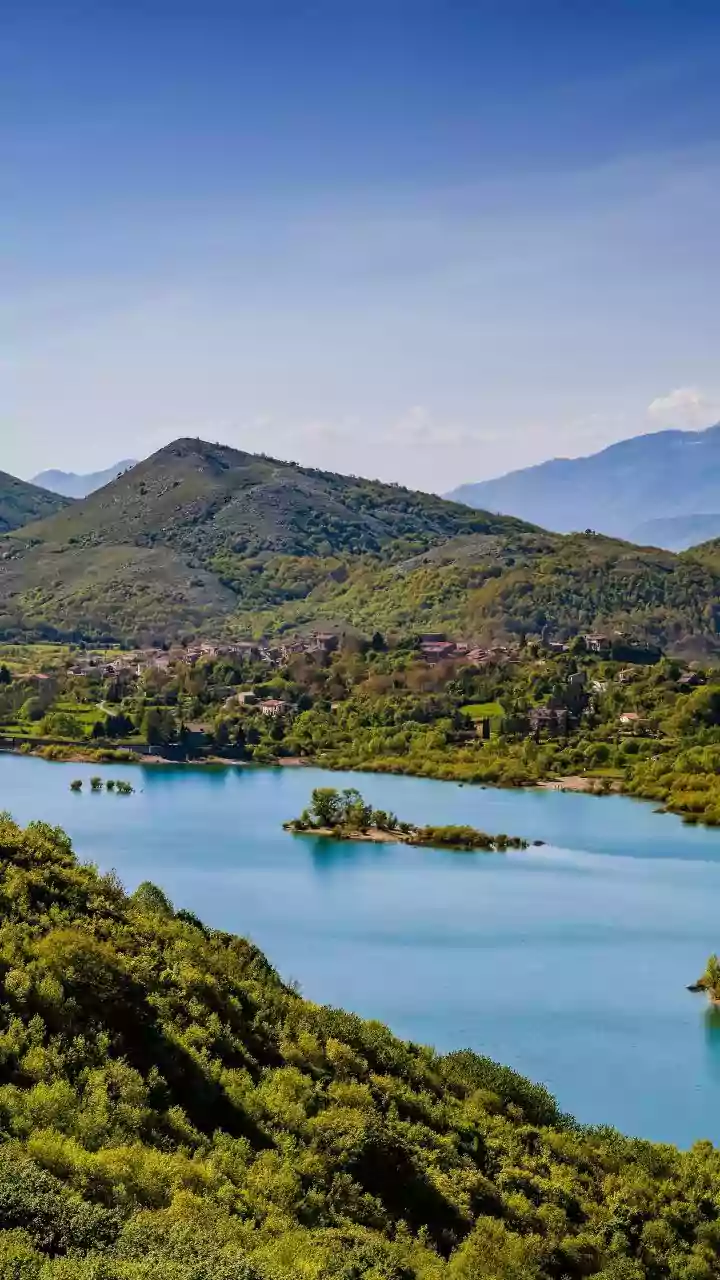
Arunachal Pradesh, the 'Land of the Dawn-Lit Mountains', is a sanctuary of mist-clad peaks and serene valleys. Beyond the popular trails lie places of profound quiet and cultural richness. Here are four spots that truly capture its mountain magic.
Tawang: The Spiritual Anchor
Perched
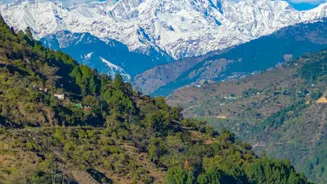
at nearly 10,000 feet, Tawang is more than a destination; it's a spiritual pilgrimage. The journey itself, winding through the dramatic Sela Pass, is part of the experience, preparing you for the tranquility that awaits. The heart of the region is the Tawang Monastery, the second-largest in the world and a beacon of Tibetan Buddhism in India. Founded in the 17th century, its vast complex of white walls and golden roofs overlooks the valley, housing hundreds of monks whose morning prayers echo through the crisp mountain air. The magic here is in the atmosphere—a blend of deep-rooted faith, the warmth of the local Monpa people, and panoramic views of snow-dusted Himalayan peaks. Beyond the monastery, high-altitude lakes like Pankang Teng Tso and Sangetsar (Madhuri Lake) offer moments of pristine, reflective silence, making Tawang a place where the grandeur of nature meets profound peace.
Ziro Valley: A Living Cultural Landscape
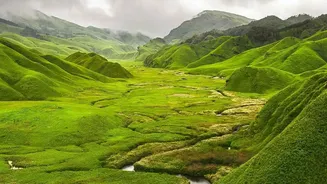
Step into Ziro Valley, and you enter a world that feels suspended in time. This picturesque plateau, a UNESCO World Heritage tentative site, is the domain of the Apatani tribe, a community celebrated for its unique and sustainable way of life. The valley floor is a stunning mosaic of emerald rice paddies ingeniously integrated with fish farming—a system of agriculture that has sustained the Apatani for centuries without machinery or chemical fertilizers. The 'quiet magic' of Ziro is found in the slow rhythm of its villages, where traditional bamboo houses stand on stilts and life unfolds in harmony with nature. Walking through the villages of Hong, Hari, or Hija, you witness a culture deeply connected to the land. While the annual Ziro Music Festival brings a vibrant energy, the valley's true essence is its everyday tranquility, found in the pine-covered hills, the gentle streams, and the enduring traditions of its people.
Mechuka: The Remote Himalayan Paradise
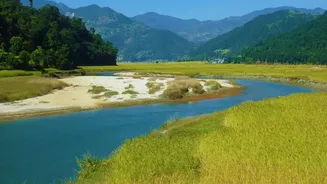
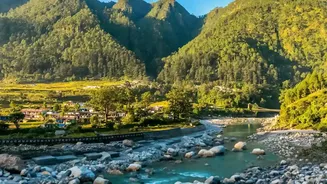
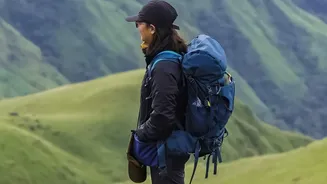
Often called the 'Forbidden Valley of Arunachal', Mechuka is a testament to the allure of remoteness. Tucked away in the Shi-Yomi district near the Indo-Tibetan border, reaching this valley is an adventure that rewards the determined traveler with breathtaking beauty and solitude. The landscape is a painter's dream: vast meadows, pristine forests, snow-capped mountains ringing the horizon, and the brilliant blue Siyom River snaking through it all. The valley is dotted with the traditional wooden homes of the Memba tribe, and iconic hanging bridges made of cane and bamboo span the river, bouncing with every step. A 400-year-old monastery, Samten Yongcha, sits on a hilltop, offering panoramic views and a deep sense of peace. Mechuka’s magic lies in its isolation; it’s a place where there are no crowds, where the silence is broken only by the wind and the river, and where the sheer scale of the landscape makes you feel both small and deeply connected to the world.
Mayodia Pass: The Gateway to the Mishmi Hills
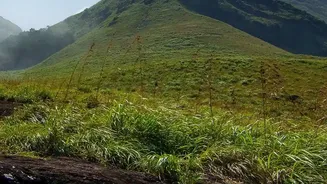
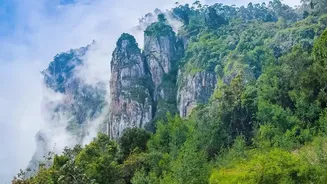
For those who find magic in raw, untamed nature, Mayodia Pass is an unforgettable experience. At an elevation of 2,655 meters, this mountain pass is less a destination and more a journey into the heart of the Mishmi Hills. Known for receiving heavy snowfall in winter, it transforms into a pristine white wonderland, attracting visitors seeking the thrill of a true Himalayan winter. The drive up from the town of Roing is an adventure in itself, with the road carving through dense, misty forests that create an atmospheric sense of enclosure and isolation. Unlike other high passes, Mayodia is not barren; it is lush and teeming with biodiversity, making it a renowned spot for birdwatching. The quiet here is profound, punctuated by the sounds of the forest. It’s a place for adventurers, for those who seek solitude not in a village or a monastery, but in the powerful silence of the mountains themselves.