








Why Your Spine Needs a Break
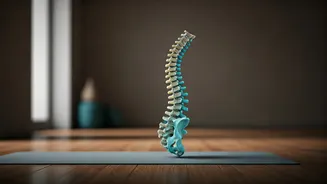
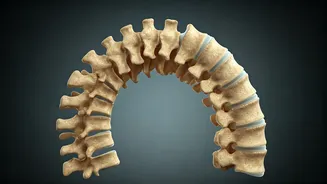
The human spine is designed for movement—flexing, extending, and rotating. However, a desk job often forces it into a static, flexed position for hours on end. [18] This prolonged sitting, particularly in a slouched posture, can lead to stiffness in the
thoracic spine (your mid-back). [18] When this area becomes immobile, other parts of the body, like the neck, shoulders, and lower back, have to compensate, which can lead to strain, pain, and even tension headaches. [14] Regular mobility work helps to counteract this by increasing blood flow, improving joint movement, and reducing muscle tension, ultimately supporting better posture and overall spinal health. [2, 7]
The 10-Minute Spine Reset Routine
You don't need a lot of time to make a difference. Taking short, consistent breaks to move is more effective than one long, infrequent session. [5] This routine is designed to take about 10 minutes and targets the primary movements of the spine that get restricted during desk work. Perform each stretch slowly and with control, focusing on your breath. Never force a movement that causes sharp pain. [5] The goal is to gently restore motion and relieve tension.
1. Seated Cat-Cow
This is a classic yoga pose adapted for your chair, perfect for gently mobilizing the entire spine. [1, 10] Sit at the edge of your seat with your feet flat on the floor and hands on your knees. On an inhale, arch your back, push your chest forward, and look up slightly (Cow pose). On your exhale, round your spine, tuck your chin to your chest, and gently pull your navel in (Cat pose). [10] Flow smoothly between these two positions for about one minute, matching your movement to your breath. This simple exercise improves flexibility and eases stiffness from your neck down to your lower back. [1, 15]
2. Seated Spinal Twist
Rotation is a primary function of the thoracic spine, and it's often the first movement to become restricted from sitting. [21] To perform this stretch, sit tall in your chair with your feet planted. Twist your upper body to the right, placing your left hand on your right knee and your right hand on the back or arm of the chair for gentle leverage. [1, 4] Keep your hips facing forward as you rotate your torso. Hold for 15-20 seconds while breathing deeply, then slowly return to the center and repeat on the left side. [6] This helps release tension in the mid and lower back. [8]
3. Thoracic Extension Over Chair
This stretch directly counteracts the hunched-forward posture common at desks. [5] Sit upright in your chair. You can either clasp your hands behind your back and lift your chest, or for a deeper stretch, place your hands behind your head. [1] Gently lean back over the top of your chair, allowing your upper back to arch and your chest to open. [14] Focus on extending through your mid-back, not your lower back. Hold for a few breaths, release, and repeat 8-10 times. This movement is excellent for improving posture and relieving shoulder tightness. [14, 7]
4. Standing Chest Opener
Getting out of your chair is crucial. This stretch opens up the chest and shoulders, which often become tight and rounded. Stand up and interlace your fingers behind your back. If you can, press your palms together. Straighten your arms and gently lift them away from your body while pulling your shoulder blades together and lifting your chest. [8] Hold for 20-30 seconds. This stretch provides a great counterbalance to hunching over a keyboard and promotes a more upright posture. [1]
Making It a Habit
The key to improving spinal mobility isn't intensity, but consistency. [17] Try setting an hourly alarm to do one or two of these stretches. You can also incorporate them into a brief routine before you start your workday or during your lunch break. Over time, these small movements will add up, helping to reduce stiffness, prevent pain, and build a more resilient spine. [17] Pairing these exercises with an ergonomic workspace, such as a supportive chair and a monitor at eye level, will further enhance the benefits and support your long-term spinal health. [4]