







Why Humidity Wrecks Your Sleep
The core of the problem lies in your body's natural cooling system: sweating. Your body releases sweat to cool down, but for this to work, the sweat needs to evaporate from your skin. When the air is already saturated with moisture—as it is on a humid
night—evaporation slows down dramatically. As a result, the sweat clings to your skin, leaving you feeling clammy and overheated. This discomfort makes it difficult to fall asleep and stay asleep. High humidity can interrupt the deeper, more restorative stages of sleep, like REM and slow-wave sleep. This is because your body is working overtime just to stay cool, which can lead to more frequent awakenings. Furthermore, humid environments are breeding grounds for allergens like dust mites and mold, which can cause congestion and breathing difficulties, further disturbing your rest.
Optimise Your Room's Climate
The most direct way to combat humidity is to control your bedroom's environment. The ideal humidity level for sleeping is generally between 40% and 60%. An air conditioner is effective as it both cools the air and removes moisture. If you don't have an AC, a dehumidifier is an excellent investment, specifically designed to pull excess water from the air. Proper ventilation is also key. Using fans, especially a ceiling fan, helps circulate air, which aids the evaporative process and makes you feel cooler. For a low-tech trick, place a bowl of ice in front of a portable fan to create a cooling mist. During the day, keep blinds or curtains closed to block sunlight and prevent your room from heating up.
Choose Your Bedding Wisely
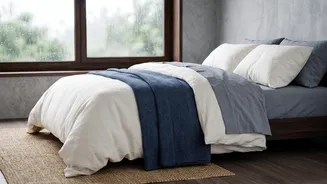
The fabrics you sleep on and under make a significant difference. Heavy, synthetic materials like polyester or flannel trap heat and moisture, creating a personal sauna under the covers. Instead, opt for lightweight, breathable, and moisture-wicking fabrics. Cotton, particularly a percale weave, is a fantastic choice because its crisp structure allows for excellent airflow. Linen is another top contender, known for its exceptional breathability and ability to absorb moisture without feeling damp. Bamboo-derived fabrics are also popular for their soft feel and temperature-regulating properties. These materials help draw sweat away from your body, allowing you to feel drier and more comfortable throughout the night.
Adjust Your Pre-Bed Routine
What you do in the hour before bed can set the stage for a more comfortable night. Taking a lukewarm or cool shower can help lower your core body temperature. While a freezing cold shower might seem tempting, it can actually be counterproductive, as your body may react by trying to warm itself back up. Wear loose-fitting sleepwear made from the same breathable materials as your bedding, like cotton or linen. Staying hydrated is important in humid weather, but try to limit large amounts of liquid right before bed to avoid disruptive bathroom trips. Also, avoid heavy meals or strenuous exercise close to bedtime, as both can raise your body temperature and make it harder to cool down.