






Why Handlooms Reign in the Rain
Dressing for the Indian monsoon can feel like a compromise between looking good and staying comfortable. Heavy fabrics get waterlogged, and synthetics feel like a second skin in the humidity. This is where the ancient wisdom of Indian handlooms shines.
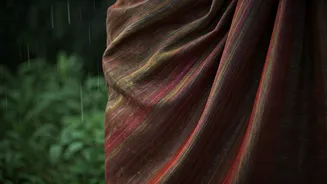
Hand-woven fabrics like cotton, linen, and their blends are exceptionally breathable. Their natural fibres and unique weaves allow for better air circulation, which is a blessing in the sticky, humid weather that precedes a downpour. Unlike machine-made textiles, many handlooms are lightweight and quick-drying, meaning an unexpected splash or drizzle won't ruin your day. They manage moisture without clinging to the body, offering a level of comfort that makes navigating a damp, grey day feel effortless and stylish.
Your Monsoon-Ready Fabric Guide
Not all handlooms are created equal when it comes to tackling the rain. The key is to choose lightweight, breathable options. Mulmul, often called muslin, is a top contender; it's feather-light, incredibly soft, and dries in a flash. Handloom cotton, especially in its finer counts, is a classic choice for its ability to absorb moisture while staying comfortable. Fabrics like Kota Doria, with its characteristic checkered weave, are designed for airflow and are perfect for humid conditions. While heavier silks should be avoided, lighter blends like cotton-silk or Eri silk, known as 'Ahimsa silk', are great as they are resistant to humidity and dry faster than pure silk. Linen is another champion, prized for its quick-drying properties and the fact that it actually gets softer when damp.
Chic Silhouettes for Grey Skies
The right cut is as important as the right fabric. The guiding principle for monsoon silhouettes is to allow for movement and avoid anything that might drag on wet streets or cling uncomfortably. A-line kurtas, wrap dresses, and outfits with a flared, breezy fit are ideal. Think shorter lengths; knee-length or midi dresses and kurtas are far more practical than floor-sweeping anarkalis or maxis. Pairing shorter kurtas with cropped trousers, palazzos, or culottes is a stylish and functional choice. Loose-fitting garments not only keep you cool but also prevent the fabric from sticking to you if you get caught in a shower, ensuring you look poised and not panicked.
Colour Your Cloudy Days
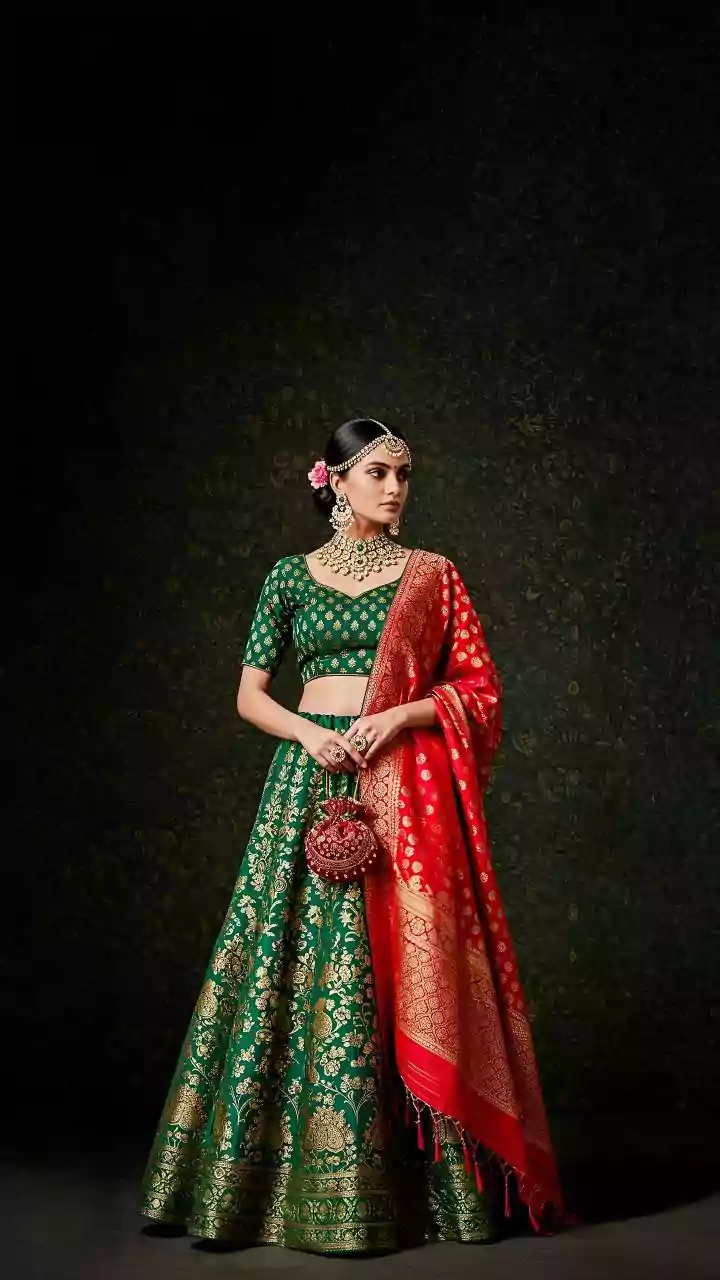
While dark colours are often recommended for their ability to hide mud splashes, the monsoon is also the perfect time to embrace vibrant hues to counter the gloomy weather. Handloom textiles are famous for their rich, saturated colours. Bright yellows, cheerful pinks, deep indigos, and vivid reds can lift your spirits and make a statement against a grey backdrop. These bold colours and traditional patterns, like Ikat or block prints, also help to camouflage any unavoidable water marks or stains. Don't be afraid to stand out; a pop of colour is a powerful tool in your rainy-day style arsenal.
Caring for Your Weaves in Damp Weather
Handloom fabrics require a little extra care, especially during the humid monsoon months when mildew is a risk. The most important rule is to never store damp clothes. If your outfit gets wet, air it out immediately, even if you can't wash it right away. When washing, use cold water and a mild detergent. It's best to hand wash delicate weaves. Avoid wringing the fabric, as it can distort the shape. Always dry your handlooms in the shade; direct sunlight can cause vibrant natural dyes to fade. For storage, ensure garments are completely dry and keep them in a cool, airy space, preferably in breathable cotton bags rather than plastic.