
Choose Your Winter Wonderland
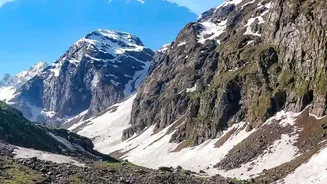
The first step is selecting a destination that matches your skill level and desired experience. For beginners, treks with gentle gradients and established campsites are ideal. Locations like Dayara Bugyal and the lower meadows of Auli in Uttarakhand offer
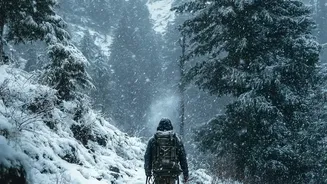
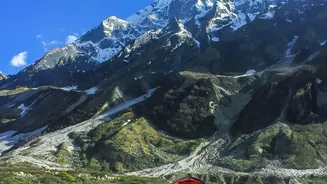
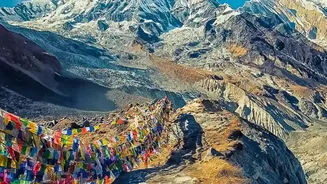
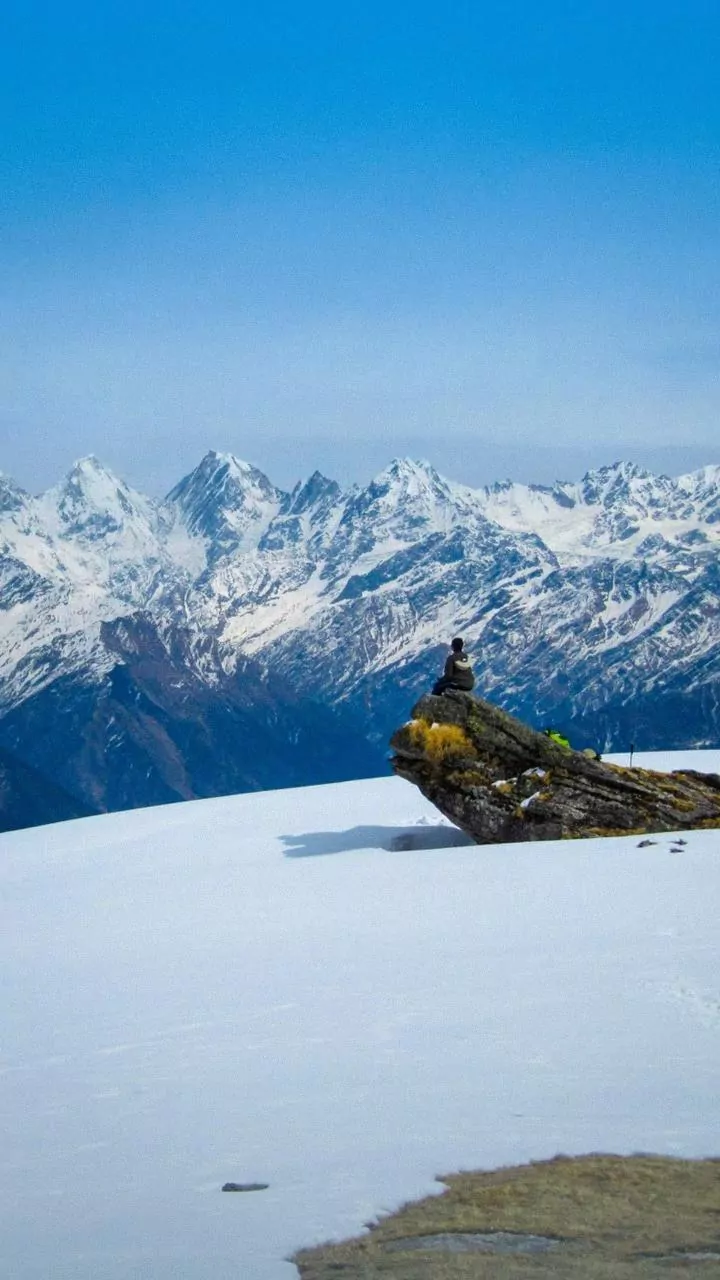
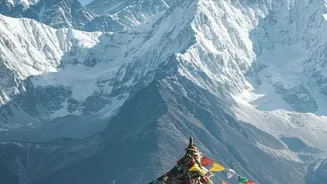
stunning scenery without extreme technical demands. More experienced trekkers might consider the Brahmatal trek, known for its incredible views of Mt. Trishul and Nanda Ghunti, or Kedarkantha, a classic winter trek famous for its summit sunrise. For those seeking true solitude and a challenge, remote destinations like Chitkul in Himachal Pradesh or the Zanskar Valley in Ladakh offer breathtaking but harsh conditions, suitable only for seasoned winter campers. Always research the current conditions and choose a trek where guided support is available if it's your first time.
Gear Up for Sub-Zero Success
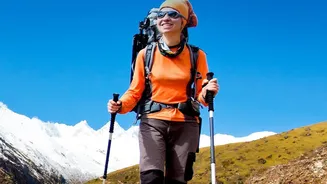
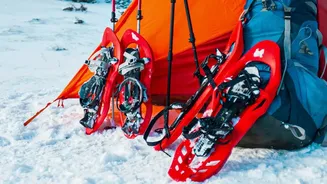
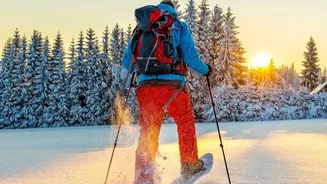
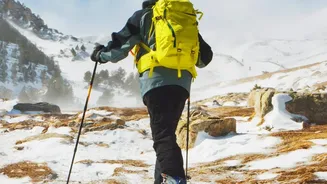
The right gear is not about having the most expensive items, but the correct ones for sub-zero temperatures. Your clothing should be a layering system. Start with a moisture-wicking synthetic or merino wool base layer to keep sweat off your skin. Add a fleece jacket as a mid-layer for insulation while walking. For stops and at the campsite, you'll need a heavy insulated down or synthetic jacket. A waterproof and windproof outer shell jacket and pants are non-negotiable to protect you from snow and wind. Beyond clothing, your gear must include waterproof trekking boots with good grip, gaiters to keep snow out, multiple pairs of woollen socks, a warm cap, and two pairs of gloves (a thin liner and a thick waterproof pair). Many operators provide key items like sub-zero jackets and microspikes for rent or as part of the package, so check before you buy.
The Art of a Warm Night's Sleep
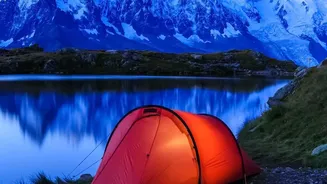
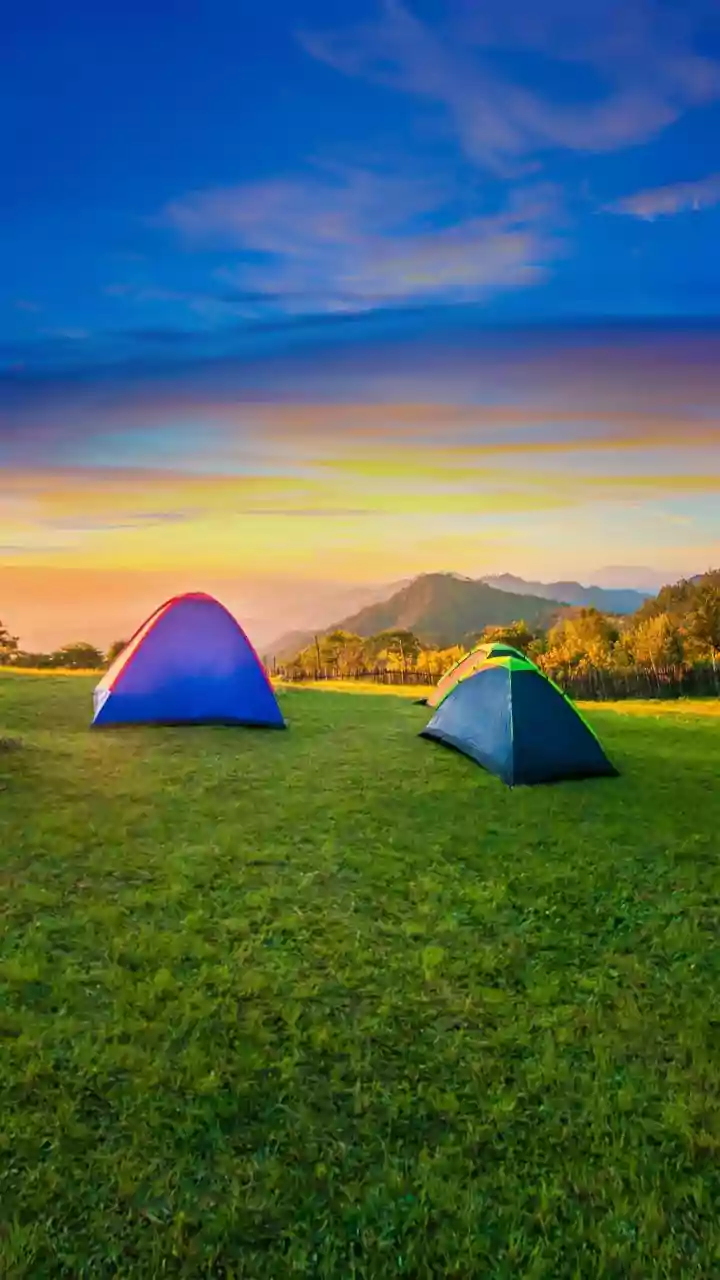
A comfortable night is crucial for recovery. This depends on your sleep system. You will need a 4-season tent designed to withstand snow and high winds. Your sleeping bag must be rated for temperatures well below freezing; a rating of -10°C is a common recommendation for many Himalayan winter treks. Equally important is a well-insulated sleeping mat, which prevents the cold ground from sucking away your body heat. Many trekkers also use a sleeping bag liner, which adds significant warmth for very little weight. A simple but effective trick is to fill a heat-proof water bottle with hot water and place it in your sleeping bag before you get in. This creates a personal heater that can last for hours.
Safety is Paramount
The mountains demand respect. The biggest risks include extreme weather and altitude sickness. Always travel with an experienced guide or a reputable trekking company, especially in winter. Acclimatization is key to preventing Acute Mountain Sickness (AMS); plan your itinerary to ascend gradually. Before you leave, check weather forecasts and be prepared for sudden changes. A comprehensive first-aid kit, personal medications, a headlamp with extra batteries, and an insulated water bottle to prevent freezing are essential. When selecting a campsite, avoid areas under avalanche-prone slopes or trees laden with snow. Look for a spot on flat ground, ideally with at least a few feet of snow cover to protect the vegetation underneath.
Permits and Planning
Trekking in many parts of the Himalayas requires permits, which help regulate activity and contribute to conservation. For Indian citizens, this might be an Inner Line Permit (ILP), while foreign nationals often need a Protected Area Permit (PAP). The specific requirements vary by state and region, so it's vital to research this for your chosen destination. Going with a registered trekking agency often simplifies this process, as they typically handle all the necessary paperwork. This ensures your trek is legal and helps authorities keep track of visitors for safety and rescue purposes.