






Why Monsoon Travel Is Unpredictable
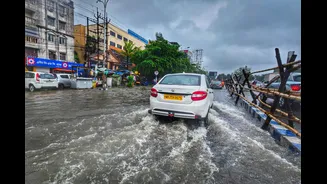
Planning a trip between June and September means accepting a degree of uncertainty. Heavy rainfall can lead to a cascade of problems that can derail even the most organised itinerary. Major airports, especially in cities like Mumbai and Kolkata, often
face significant flight delays or cancellations due to waterlogging, low visibility, or strong winds. Beyond the airport, road travel becomes hazardous. Flash floods and landslides can lead to sudden road closures, particularly in hilly and coastal regions, leaving you stranded or forcing a major detour. Even your accommodation isn't immune; a hotel may become inaccessible due to flooded roads, or in worst-case scenarios, your booking might be cancelled if the property itself is affected. The season also brings heightened health risks like mosquito-borne illnesses such as dengue and malaria.
Trip Cancellation vs. Trip Interruption
Understanding your policy starts with two key terms: trip cancellation and trip interruption. They sound similar but cover different phases of your journey. Trip cancellation coverage protects you before your trip begins. It reimburses you for prepaid, non-refundable expenses if you have to cancel your trip for a covered reason, such as a cyclone warning at your destination or a sudden illness. Trip interruption coverage applies after your trip has started. If you have to cut your journey short and return home early due to a covered event—for instance, if your hotel becomes uninhabitable due to flooding—this benefit can reimburse you for the unused portion of your trip and extra costs to get home.
Navigating Flight Delays and Cancellations
Weather is a leading cause of flight disruptions, but what you’re entitled to can be confusing. In India, airlines are not obligated to pay extra compensation for delays or cancellations caused by weather, as it's considered an 'extraordinary circumstance'. They might only have to offer a refund or a seat on another flight. This is where travel insurance steps in. Most comprehensive policies include 'Travel Delay' benefits, which reimburse you for expenses like meals, accommodation, and transport if your flight is delayed beyond a specified time (often 6 to 12 hours). If the delay is severe enough (e.g., over 24 hours) to cancel your trip, your trip cancellation benefit may cover your non-refundable costs. You will likely need a formal confirmation of the delay or cancellation from the airline to file a claim.
What if Your Hotel or Destination Is Inaccessible?
Imagine you've booked a beautiful resort, but when you arrive, landslides have blocked the only road to it. Or worse, a mandatory evacuation is ordered for the area due to severe flooding. A standard travel insurance policy can help in these scenarios. If your pre-booked accommodation becomes uninhabitable due to a natural disaster, trip interruption or cancellation coverage can reimburse you for the non-refundable hotel costs. Similarly, if government or local authorities issue a mandatory evacuation order for your destination, this is often a covered reason to cancel or interrupt your trip and claim reimbursement. However, simply changing your mind because the weather is gloomy is not a valid reason for a claim.
Reading the Fine Print: Key Things to Check
Not all travel insurance policies are created equal, especially when it comes to weather. The most critical rule is to purchase your policy before a weather event is forecasted or named. Once a cyclone is named or a severe weather warning is issued, it's considered a 'foreseeable event', and you won't be covered for any losses resulting from it. When comparing plans, check the specific definition of 'inclement weather' and the required delay time before benefits kick in. Look for coverage for natural disasters and find out if there are specific exclusions for monsoon-related events. Finally, understand the claim process. Keep all receipts and ask for official documentation for any delay, cancellation, or incident, as insurers will require proof.