


Gold is the ultimate security blanket for many Indian investors—a tangible store of value that shines brightest during uncertainty. But what if the story of ever-rising prices is a myth? A look at history reveals a more complicated picture.
The Golden Illusion
In the Indian
psyche, gold is more than an investment; it's a symbol of security, social standing, and tradition. Families pass it down through generations, and its physical nature provides a sense of control that digital assets cannot replicate. This deep emotional and cultural connection fosters a belief that gold is a perpetually safe and appreciating asset. When markets turn volatile or inflation bites, the natural reflex is to seek refuge in the yellow metal. This 'safe haven' reputation is powerful, but it often overshadows a history marked by long periods of stagnation and deep corrections. The idea that gold prices only go up is a comforting illusion, one that the data since 1980 challenges directly.
The Peak of 1980 and the Long Wait
To understand gold's difficult history, we must go back to January 1980. Fueled by high inflation, oil crises, and geopolitical turmoil like the Soviet invasion of Afghanistan, gold prices soared to a then-unprecedented peak of around $850 per ounce. Those who bought at the top, believing the rally would never end, were in for a brutal lesson. As central banks, led by the US Federal Reserve, aggressively raised interest rates to fight inflation, the appeal of non-yielding gold collapsed. The price entered a prolonged bear market, bottoming out near $255 two decades later in 1999. An investor who bought at the 1980 peak had to wait over 26 years, until May 2006, just to see their investment return to its original nominal value.
A Modern Echo: The 2011 Cycle
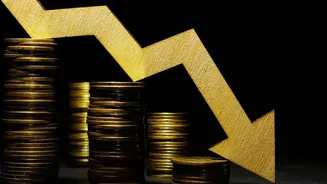
The pattern repeated itself more recently. In the aftermath of the 2008 global financial crisis, another wave of fear and monetary easing sent investors flocking to gold. Prices climbed steadily, reaching a new high of approximately $1,920 per ounce in September 2011. But once again, as the immediate crisis subsided and economic optimism returned, gold began a multi-year decline. The price fell by around 45% over the next four years. It took nearly nine years, until July 2020, for gold to decisively surpass its 2011 peak. These two major cycles—1980 and 2011—demonstrate that buying at the height of a panic can lead to decades of waiting for a return, validating the headline's claim of long periods spent below previous highs.
Why Gold's Shine Fades
Gold's price is a battleground of powerful forces. Its value is heavily influenced by factors that have little to do with its physical beauty or utility. Key among them are real interest rates and the strength of the US dollar. When interest rates are high, holding gold, which pays no income, becomes less attractive compared to bonds or even savings accounts. A strong US dollar also tends to push down gold prices, as the metal is priced in dollars globally. Furthermore, gold thrives on fear and uncertainty. During periods of economic stability and investor confidence, capital flows out of safe havens like gold and into growth assets like stocks. These dynamics explain the long 'winters' gold has experienced; it is not a one-way bet but a cyclical asset whose appeal waxes and wanes with global economic sentiment.
Rethinking Gold's Role Today
Given its history of volatility and long recovery periods, what is gold’s true purpose in an investment portfolio? It is not a tool for rapid wealth creation. Historically, stocks have delivered higher average annual returns. Instead, its value lies in diversification. Gold often behaves differently from stocks and bonds, providing a cushion during certain types of crises. Central banks continue to hold gold reserves for this very reason—as a safeguard against financial turmoil. For individual investors, the lesson from the past 40-plus years is to approach gold with realistic expectations. It is a long-term hedge against systemic risk and currency debasement, not a short-term trade. Its role is to provide stability and preserve purchasing power over very long horizons, even if that means enduring years of patience.