






The Packaging Predicament
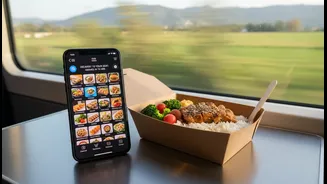
In the world of delivery-only food, packaging is the restaurant. It’s the first physical touchpoint a customer has with the brand, and a flimsy, leaking container can ruin the entire experience before the first bite. Soggy biryani, lukewarm curries, and messy
spills are common complaints that directly translate to poor ratings and lost customers. Effective packaging needs to be durable enough for delivery, provide proper insulation to maintain food temperature, and be visually appealing. Moreover, with a growing number of consumers preferring eco-conscious brands, sustainable materials like sugarcane bagasse are becoming a key differentiator. For cloud kitchens, investing in smart, sturdy, and sustainable packaging is not a cost—it's an essential investment in brand reputation and customer loyalty.
Racing Against the Clock
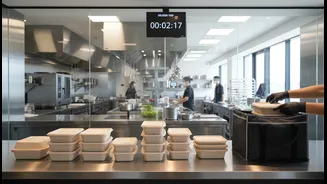
Timing in the cloud kitchen universe is about more than just a 30-minute delivery promise. It’s a complex logistical chain that starts the moment an order is placed. Any friction—from a slow kitchen display system to an unavailable delivery partner—can lead to cold food and frustrated customers. Food that arrives outside its ideal temperature window is a frequent issue. The challenge is magnified during peak hours or extreme weather conditions, which can stress the entire system. Some platforms have even asked customers to avoid ordering during peak heat to protect riders, highlighting the fragility of the delivery network. To truly master timing, operators must optimize every step, from AI-powered demand prediction to efficient kitchen workflows and seamless coordination with delivery fleets. Getting this right ensures the food arrives not just fast, but fresh.
The Kitchen Transparency Imperative
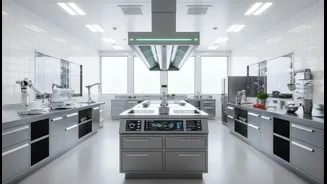
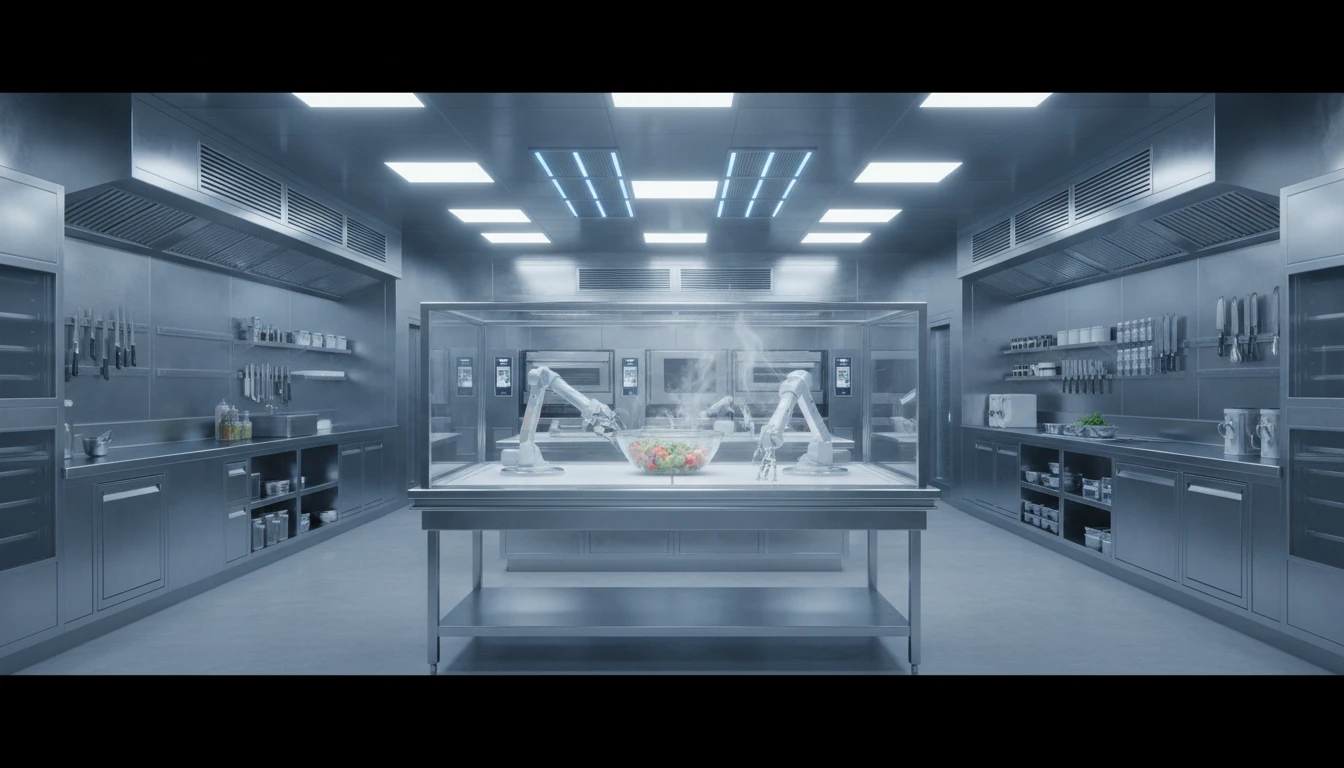
The biggest drawback of a cloud kitchen is that customers can't see it. This lack of a physical presence can create a trust deficit, with diners wondering about the hygiene and safety standards of the kitchen preparing their meal. In a market saturated with virtual brands, building trust is crucial for standing out. Forward-thinking companies are tackling this by embracing radical transparency. This includes securing FSSAI licenses and hygiene ratings, but also goes further. Some are using technology to provide a window into their operations, such as live video feeds of the kitchen that customers can access. Showing real-time footage of clean facilities and staff following safety protocols can significantly boost consumer confidence. By being open about their processes and ingredient sourcing, cloud kitchens can turn an inherent weakness into a powerful tool for building a loyal customer base.
From Challenge to Competitive Edge
While packaging, timing, and transparency present significant hurdles, they also offer a clear roadmap for success. In a crowded market where many brands compete on price alone, operational excellence becomes the ultimate differentiator. Companies that innovate in these three areas are the ones building sustainable, scalable businesses. For example, using multi-brand models allows a single kitchen to maximize efficiency, while leveraging technology for everything from inventory management to delivery routing is becoming standard practice. Ultimately, the brands that thrive will be those that understand they are not just in the food business, but in the business of delivering a consistent, high-quality, and trustworthy experience, from their kitchen to the customer's doorstep.