

India's Solar Sentinel
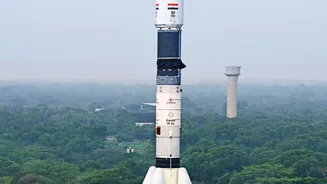
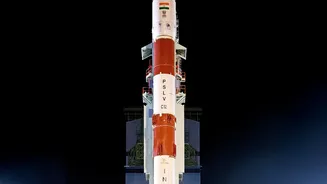
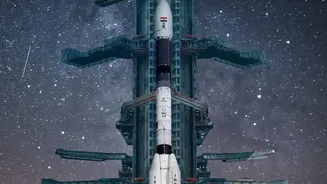
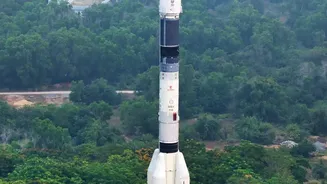
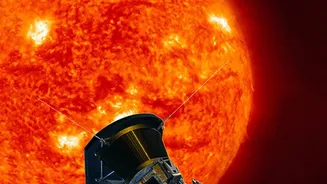
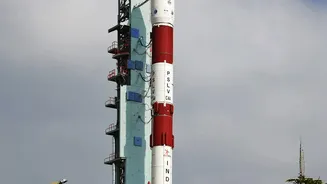
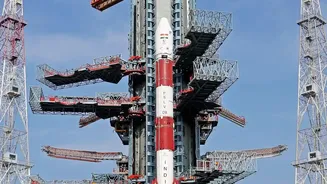
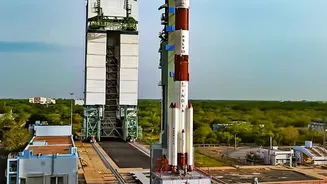
Launched in September 2023, the Aditya-L1 is ISRO's first dedicated mission to study the Sun. It is strategically positioned at Lagrange Point 1 (L1), about 1.5 million kilometers from Earth, which allows it an uninterrupted view of our star. The spacecraft
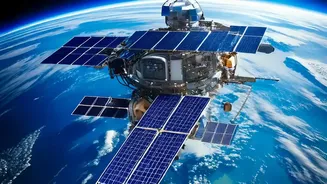
is equipped with seven advanced instruments, or payloads, designed to observe everything from the Sun's visible surface to its outermost atmosphere, the corona. Four of these payloads directly observe the Sun, while the other three perform in-situ studies, essentially 'tasting' the space environment at the L1 point to measure particles and magnetic fields.
Decoding the Solar Wind
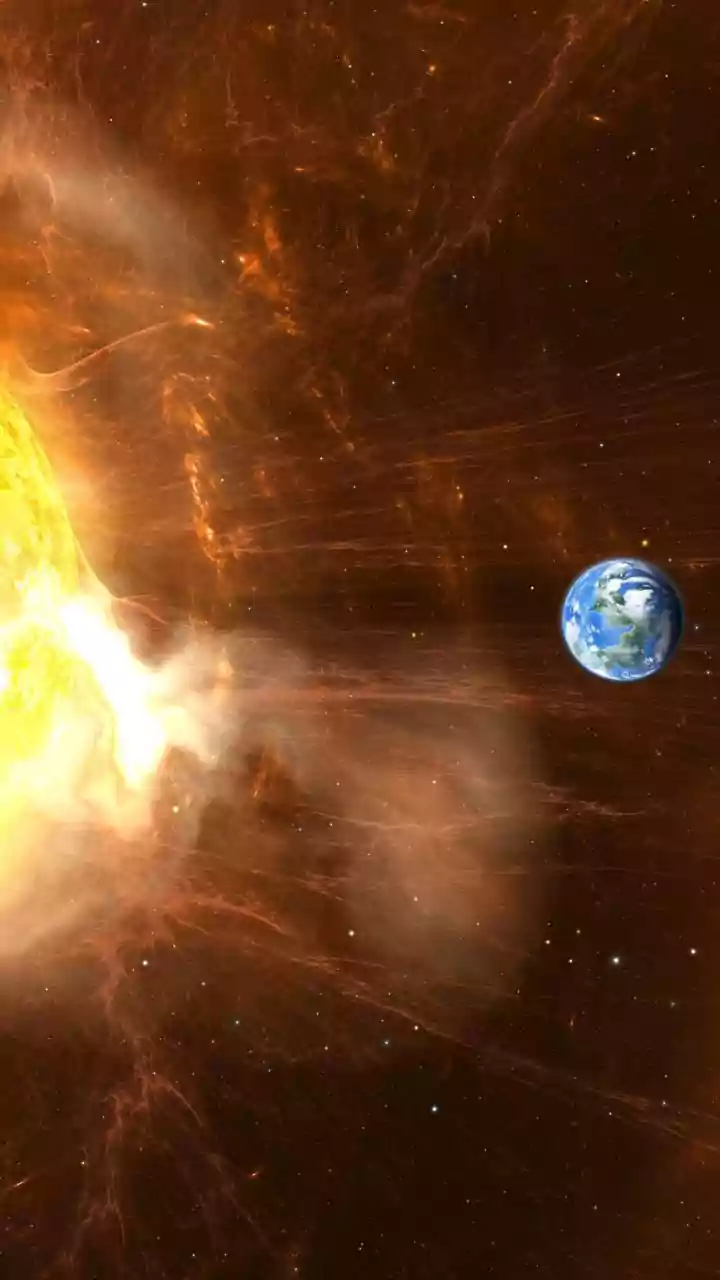
One of the primary mysteries Aditya-L1 is built to solve is the nature of the solar wind. Think of it as a constant stream of charged particles—mostly protons and electrons—flowing outward from the Sun in all directions. Aditya-L1's instruments, like the Aditya Solar wind Particle Experiment (ASPEX), directly measure the speed, density, and temperature of these particles. These direct measurements are crucial because this wind buffets Earth's magnetic field continuously. By understanding variations in the solar wind's velocity and composition, scientists can better grasp the baseline of 'normal' space weather.
An Early Warning System for Space Storms
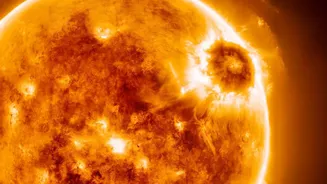
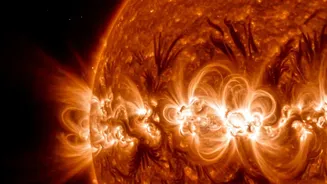
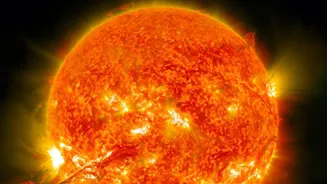
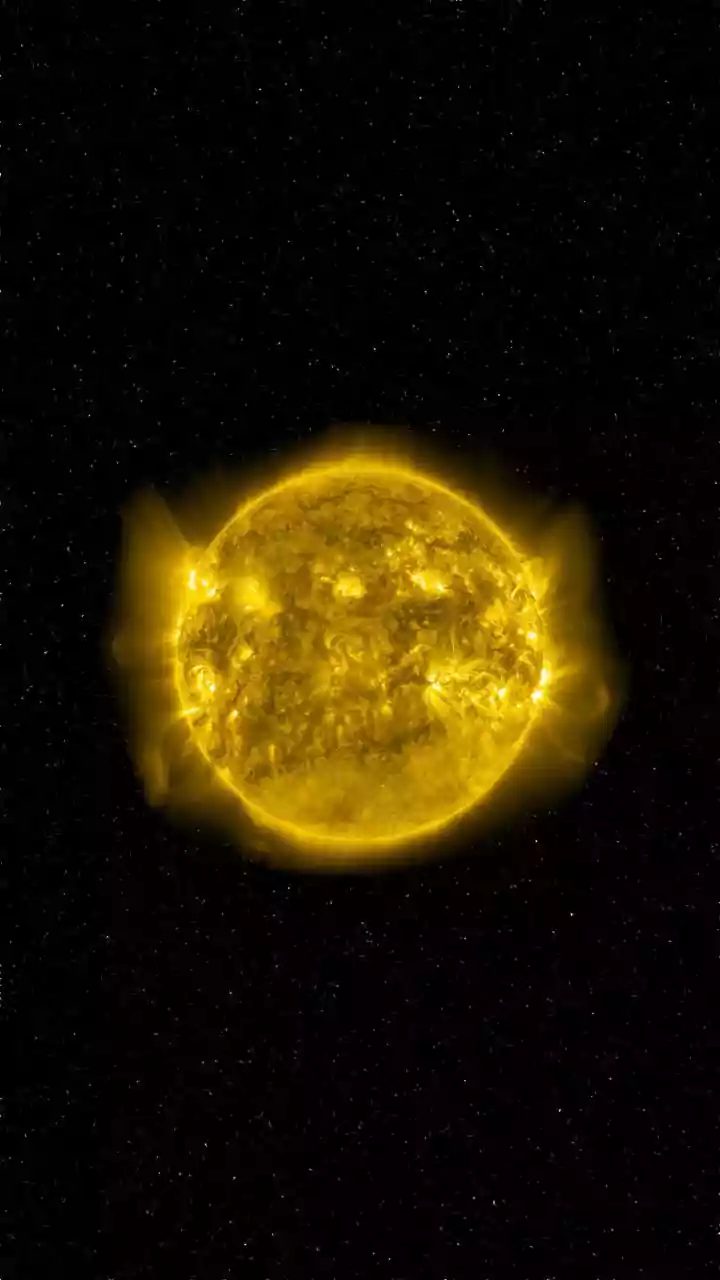
Beyond the steady solar wind, the Sun sometimes unleashes massive, violent eruptions of plasma and magnetic fields known as Coronal Mass Ejections (CMEs), or space storms. These are the events that can have the most dramatic impact on Earth. Aditya-L1's payloads, such as the Visible Emission Line Coronagraph (VELC) and the Solar Ultraviolet Imaging Telescope (SUIT), have already captured crucial data on these events. In August 2026, scientists reported that Aditya-L1 detected small, short-lived brightenings in the Sun's atmosphere that occurred hours before a major solar flare, providing a potential early warning sign. This ability to spot precursors is a vital step toward creating reliable forecasts for damaging space weather.
Why This Data Is Crucial for Us
Understanding solar wind and CMEs isn't just an academic exercise; it's critical for protecting our modern, technology-dependent civilization. Intense space weather can have serious consequences. It can disrupt radio communications, damage the electronics on satellites, and affect GPS navigation accuracy. An extreme geomagnetic storm, triggered by a CME, could even induce extra currents in ground-based power grids, potentially causing widespread outages. By providing advance warning, Aditya-L1's data gives satellite operators time to take protective measures and helps power grid managers prepare for potential impacts, safeguarding our vital infrastructure.
A Global Contribution from India
The data flowing from Aditya-L1 isn't just for Indian scientists. ISRO has made massive datasets—over 27 terabytes so far—available to the global scientific community. This open approach has positioned India as a key player in international solar research. By combining Aditya-L1's observations with those from other spacecraft, scientists have gained a more complete, multi-point view of solar events. For instance, Aditya-L1's precise measurements helped researchers understand the unusual behavior of a major solar storm in 2024, revealing for the first time a giant magnetic reconnection event within the storm itself. This collaborative science is deepening our fundamental understanding of how the Sun works and its far-reaching influence.