




Conduct a Mindful Spending Audit
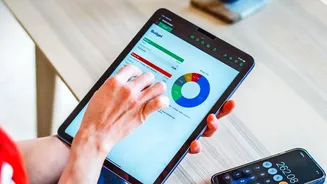
The first step is to understand exactly where your money is going. For one month, track every single entertainment-related expense. This includes streaming subscriptions, movie tickets, concerts, dinners out, takeaway coffees, and any other non-essential
fun. Don't judge or change your behaviour yet; the goal is simply to collect data. Use a notebook or a budgeting app to get a clear, honest picture of your spending patterns. This awareness is the foundation for making intentional changes.
Identify Your 'Smarter Swaps'
Once you have your data, you can start making strategic adjustments. Instead of total deprivation, focus on 'smarter swaps'. Can you replace a weekly cinema visit with a movie night at home, complete with snacks from the grocery store? Consider swapping expensive restaurant meals for picnics in the park or potluck dinners with friends. Many public libraries offer free access to movies, e-books, and even museum passes. Exploring free local events, community festivals, or outdoor concerts can provide rich experiences without the high cost. The idea is to reduce costs without eliminating enjoyment.
Create a Dedicated Travel Fund
This is a crucial psychological and practical step. Open a separate, dedicated savings account just for travel. Naming this account something specific, like 'Europe Trip' or 'Beach Getaway Fund,' makes your goal tangible and helps you resist dipping into it for other expenses. Seeing this fund grow provides a powerful motivational boost, turning the act of saving from a chore into an exciting countdown to your next adventure. Many Indian banks like IndusInd Bank, YES Bank, and AU Small Finance Bank offer high-yield digital savings accounts that are perfect for this purpose.
Put Your Savings on Autopilot
The most effective way to save is to make it automatic. Once you've identified how much you can trim from your entertainment budget, set up an automatic weekly or monthly transfer from your primary bank account to your new travel fund. This 'pay yourself first' approach ensures consistent contributions. Even small, regular transfers add up significantly over time. Automating the process removes the daily decision-making and potential temptation to skip a contribution, making your savings journey effortless.
Build Your Travel 'Portfolio'
For short-term goals (like a trip within a year), a high-yield savings account is often the best choice as it's safe and liquid. For longer-term travel goals, some people consider options like a Recurring Deposit (RD) or a Fixed Deposit (FD), which are common, low-risk options in India that offer slightly better interest rates. Some may even explore liquid mutual funds for potentially higher, though not guaranteed, returns. The key is to choose a vehicle that matches your risk tolerance and travel timeline.
Visualise the Goal and Stay Flexible
Keep your travel dream front and centre. Create a vision board, change your phone's wallpaper to a picture of your destination, or do some light research on activities you'll do when you get there. This helps reinforce that the small sacrifices you're making today are direct investments in an incredible future experience. Remember to be flexible; if you have a month with higher-than-usual expenses, don't get discouraged. The goal is consistent progress, not perfection. Every rupee saved is a step closer to your destination.