





Why Food is Better than Pills
When it comes to calcium, your body prefers it from food sources. The calcium in foods like milk or leafy greens is generally absorbed more efficiently than the concentrated dose from a supplement. This is partly because food provides a supporting cast
of other essential nutrients, such as vitamin D, magnesium, and phosphorus, which all play a crucial role in how your body utilises calcium. Eating calcium-rich foods throughout the day, rather than taking a single large pill, allows for better absorption as the body can only process about 500 mg of calcium at one time. Furthermore, a food-first approach minimises the risks associated with over-supplementation, such as an increased chance of kidney stones, which can be a concern with high-dose calcium tablets.
Meeting Your Daily Needs in India
The Indian Council of Medical Research (ICMR) has set recommendations for daily calcium intake, which generally range from 600 mg to 800 mg for adults, with increased needs for pregnant women and postmenopausal women. However, studies consistently show that the average calcium intake in India is much lower, often between 300 and 400 mg per day. This gap highlights the need for a conscious effort to include more calcium-rich foods in our daily meals. Relying on diet not only helps meet this target naturally but also builds healthy, sustainable eating habits that benefit your overall health beyond just your bones. Before turning to supplements, it is always best to assess and improve your dietary intake first.
Dairy and Its Powerful Alternatives
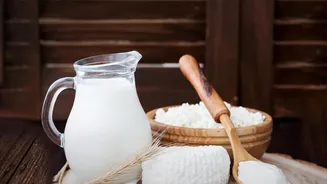
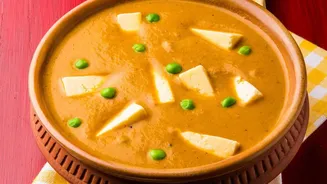
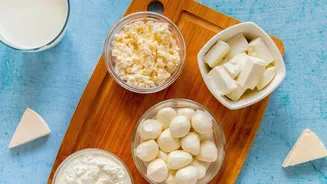
Dairy products are celebrated as excellent sources of highly absorbable calcium. A glass of milk (200ml) provides around 240 mg of calcium, while a bowl of curd (dahi) or a 100g serving of paneer offers about 200 mg. But dairy is far from the only option. India’s traditional diet is full of plant-based calcium powerhouses. Ragi (finger millet) is a standout, containing over 340 mg of calcium per 100g. Sesame seeds (til) are another champion, packing an incredible 975 mg per 100g, making them perfect for adding to laddoos, chutneys, or salads. Other valuable sources include rajma (kidney beans), chickpeas (chana), and soya beans.
Don't Forget Your Greens
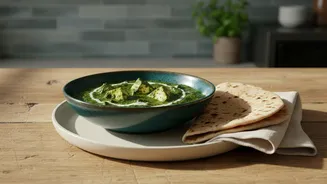
Leafy green vegetables are another vital part of a calcium-rich diet. While spinach contains calcium, its absorption is limited by compounds called oxalates. However, other greens are fantastic choices. Moringa leaves (drumstick leaves), a true superfood, provide about 185 mg of calcium per 100g and can be easily mixed into dals and soups. Amaranth leaves (chaulai) and fenugreek leaves (methi) are also excellent sources that are commonly used in Indian cooking. Including a variety of these greens ensures you get a broad spectrum of vitamins and minerals alongside a healthy dose of calcium.
Tips for Maximum Calcium Absorption
Simply eating calcium-rich foods is only half the battle; you also need to ensure your body can absorb it effectively. Vitamin D is calcium's most important partner, as it is essential for absorption. In India, where vitamin D deficiency is widespread, getting safe sun exposure and consuming vitamin D-rich foods is critical. It's also wise to spread your calcium intake throughout the day, as your body absorbs smaller amounts more efficiently. Some compounds found in plant-based foods, like phytates in whole grains and legumes, can slightly reduce calcium absorption, but this is not a significant concern in a balanced diet. Finally, regular weight-bearing exercise, like walking or dancing, is just as important as nutrition for maintaining strong bones.