





Go Beyond the Basic Forecast
A standard seven-day forecast is a good starting point, but it's often not enough for effective travel planning, especially for trips booked weeks or months in advance. These short-term predictions are most accurate within a 3-5 day window. For longer-term
planning, you need to think like a strategist, using a combination of modern tools and historical patterns to get a clearer picture. Relying solely on a simple app a week before you leave can lead to surprises, as weather systems can shift dramatically. Instead, your approach should be multi-layered, starting with big-picture trends and gradually narrowing down to daily specifics as your departure date gets closer.
Your Digital Weather Toolkit
For reliable forecasts in India, the government's official India Meteorological Department (IMD) is an essential resource. The 'Mausam' app and the IMD website offer detailed forecasts, cyclone warnings, and radar imagery for numerous tourist destinations. Beyond official sources, several international apps provide robust data for India. AccuWeather is known for its detailed 15-day forecasts and lifestyle indices like air quality, while Skymet Weather focuses specifically on the Indian subcontinent. Apps like WeatherBug and Meteored also offer comprehensive data, including long-range forecasts up to 14 days and severe weather alerts. For road trips, some apps can even provide weather forecasts along your driving route, helping you time your travel to avoid the worst conditions.
Look to the Past for Future Clues
For trips planned far in advance, historical weather data is your best friend. Websites like Weatherbase and WorldClimate compile decades of climate information, allowing you to see the typical temperature, rainfall, and humidity for your destination during the month you plan to visit. This won't give you a precise forecast for a specific day, but it will reveal patterns. For example, you can discover if your chosen week historically falls within the peak monsoon season or if it’s typically dry and sunny. This long-range view helps you choose your destination and dates wisely, significantly reducing the chance of planning a beach holiday during a notoriously rainy period.
Choose Your Destination Wisely
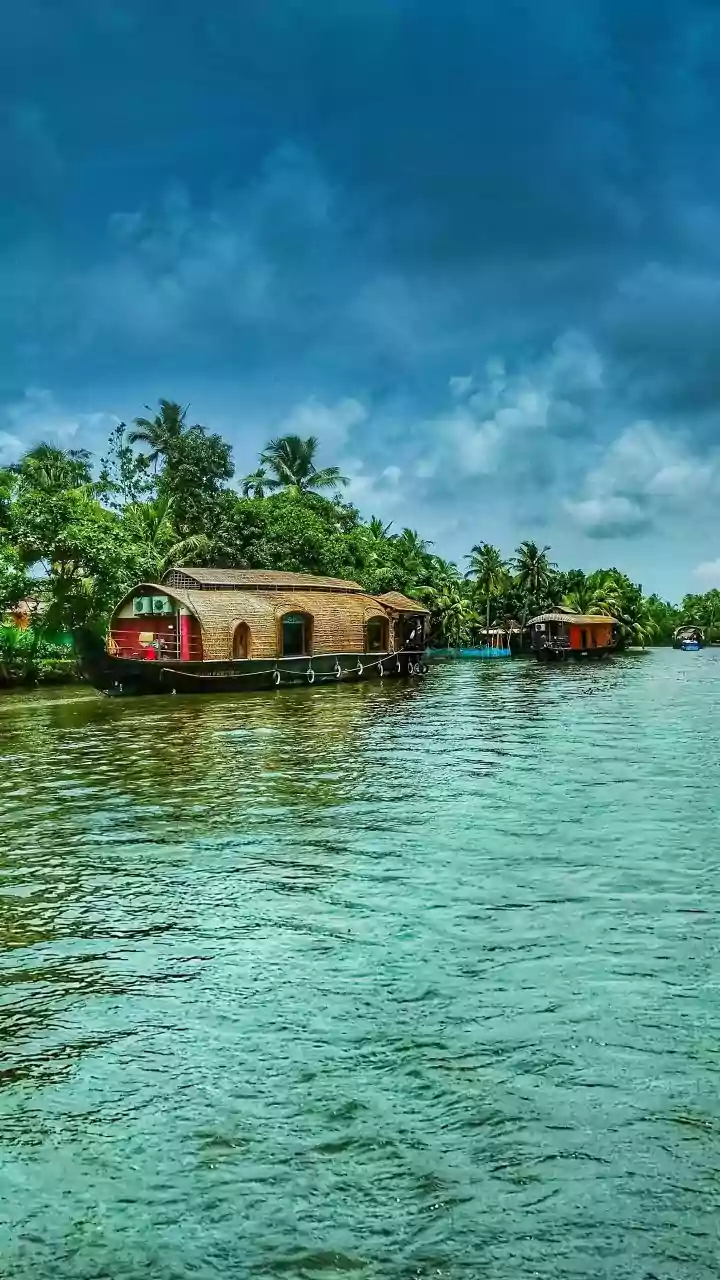
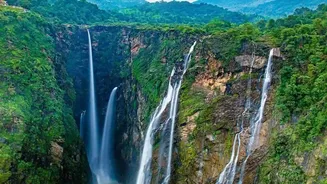
Embracing the weather can be part of the adventure, especially during India's monsoon season. Many destinations, like those in the Western Ghats, Kerala, or Coorg, become exceptionally beautiful and lush during the rains. However, it’s crucial to research the specific risks. Prioritise destinations that are less prone to flooding or landslides. Check local advisories before you book and again before you depart. During peak monsoon, it might be wise to choose locations closer to home to minimise travel time and potential disruptions. Being informed about your destination's climate means you can either avoid the worst of the weather or arrive fully prepared to enjoy it.
Build a Weather-Proof Itinerary
No forecast is 100% certain, so the final step is to build flexibility into your plans. A weather-proof itinerary has a mix of indoor and outdoor activities. Instead of scheduling only treks and beach days, identify interesting museums, cafes, or indoor attractions you can visit if the weather turns. When packing, think in layers and prioritise quick-drying fabrics over heavy materials like denim. Always include a reliable umbrella, a waterproof jacket, and waterproof bags or covers for your electronics and important documents. Having a Plan B doesn't mean you expect your trip to be ruined; it means you're a smart traveller who won't let a little rain stop the fun.