






Our Cities Have a Fever
This phenomenon has a name: the Urban Heat Island (UHI) effect. Our cities, with their vast expanses of dark roads and rooftops, absorb and trap enormous amounts of solar energy. Traditional black asphalt can absorb as much as 95% of the sunlight that
hits it, causing street surfaces to reach blistering temperatures, sometimes 20-30°C hotter than the surrounding air. This stored heat is then slowly released back into the atmosphere, especially after sunset, preventing our cities from cooling down at night. This constant heat contributes to higher energy bills from increased air conditioning use, poorer air quality, and significant health risks, particularly for vulnerable populations. With roads and pavements making up nearly 40% of the land cover in many urban areas, they are a primary driver of this city-wide fever.
A Brighter Idea: How Cool Pavements Work
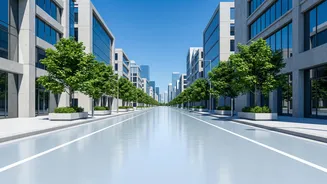
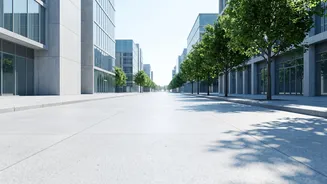
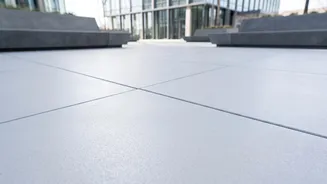
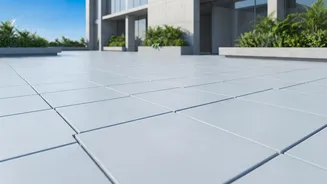
The core concept behind cool pavements is simple and elegant: reflect sunlight instead of absorbing it. By using lighter-coloured materials or specialised coatings, these pavements can bounce a significant portion of solar radiation back towards the sky. This is measured by a metric called solar reflectance or albedo; the higher the albedo, the cooler the surface stays. While new concrete is naturally more reflective than asphalt, the most exciting developments are in advanced coatings that can be applied to existing roads. These coatings are engineered with special pigments that are highly effective at reflecting not just visible light, but also the heat-carrying infrared wavelengths of sunlight. The result is a pavement surface that remains significantly cooler throughout the day, directly tackling the root cause of the UHI effect.
The 'Engineered' Secret in the Coatings
The headline's term "bio-engineered" points toward the advanced material science at play. Rather than genetic modification, it refers to cleverly designed materials, sometimes using polymers, recycled components, or durable binders inspired by natural resilience. The goal is to create a thin, yet robust, layer that can be applied over existing asphalt. These coatings are a complex blend of materials, often including polymer-modified cement, flexible binders, and proprietary infrared-reflective pigments. This engineering ensures the coating not only reflects heat but also withstands the harsh realities of a city street: heavy traffic, fuel spills, and extreme weather. The result is a smart surface that is functionally superior to a simple coat of light-coloured paint, designed for both performance and longevity.
The Ripple Effect of Cooler Streets
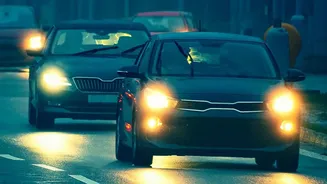
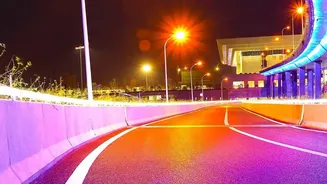
Lowering street temperature has a cascade of positive effects. Studies have shown surface temperature reductions of up to 6-7°C, which in turn helps lower the ambient air temperature. This means more comfortable conditions for pedestrians and cyclists, encouraging active transport. Cooler surroundings also lead to a direct reduction in the need for air conditioning in nearby buildings, saving energy and lowering electricity bills for residents and businesses. Beyond comfort and cost savings, these coatings offer other benefits. Lighter-coloured pavements can improve nighttime visibility, enhancing road safety for both drivers and pedestrians. Furthermore, by reducing extreme temperature fluctuations, these coatings can protect the asphalt underneath from heat-related damage like cracking, potentially extending the life of our roads and reducing long-term maintenance costs.
Challenges on the Road to Adoption
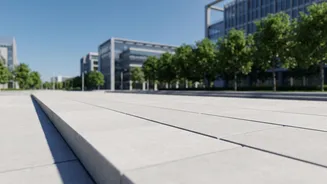
While promising, reflective pavements are not a one-size-fits-all solution. One of the main concerns is glare; a highly reflective surface can be uncomfortable for drivers and pedestrians on a sunny day. Another potential issue is that in dense urban canyons with tall buildings, the reflected radiation might be bounced onto building facades, which could inadvertently increase the cooling load for those structures. Therefore, strategic implementation is key. The technology may be best suited for open areas like plazas, parking lots, and wider roads rather than narrow, shaded streets. Cost and durability are also factors, although some analyses suggest that longer pavement life and energy savings could offset the initial investment. For India, which is promoting passive cooling solutions through initiatives like the India Cooling Action Plan (ICAP), integrating cool pavements into urban planning frameworks could be a powerful step forward.