
Why a Universal Watering Day Fails
Many plant owners, new and experienced, fall into the trap of a rigid watering schedule. If it’s Sunday, it must be time to water everything. But this one-size-fits-all approach is often the reason behind sad, struggling plants. Improper watering is one of the most
common causes of houseplant demise. The reality is that your plants don't follow a calendar. Factors like pot material, plant type, light exposure, and even the season dramatically change how thirsty a plant is. A succulent in a terracotta pot in a sunny window has vastly different needs than a fern in a plastic pot in a dim corner. Treating them the same means one is likely getting overwatered while the other is parched. The goal isn't a strict schedule but a responsive routine based on observation.
Key Factors That Influence Drying Time
Understanding what makes each pot dry at its own pace is the first step. Un-glazed terracotta is porous, allowing air and moisture to pass through the walls. This helps roots breathe and prevents root rot, but it also means the soil dries out much faster. Conversely, plastic or glazed ceramic pots are non-porous and retain moisture for longer, making them suitable for plants that prefer consistently damp soil. Pot size is also crucial; smaller pots have less soil and dry out more quickly than larger ones. Finally, the environment plays a huge role. Plants in bright, direct sun or near a heating vent will lose moisture faster than those in cooler, less drafty spots.
How to 'Listen' to Your Plants
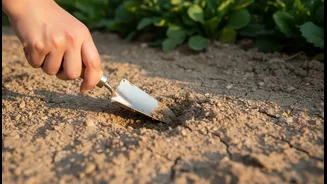
Instead of relying on a schedule, learn to check if your plants actually need water. The most reliable method is the finger test: stick your finger about one to two inches into the soil. If it comes out dry, it's time to water. If it feels damp, wait a few more days. For larger pots, a wooden skewer or chopstick can serve the same purpose; if it comes out clean and dry, the soil is dry. Another simple trick is the weight test. A pot with wet soil is significantly heavier than one with dry soil. After watering a plant thoroughly, pick it up to feel its “full” weight. Over time, you’ll be able to tell if it’s light and thirsty just by lifting it. While wilting can be a sign of thirst, it can also indicate overwatering, so always check the soil before adding more water.
Creating a Flexible Routine
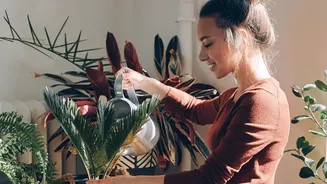
A better approach than a strict watering day is a weekly check-in day. On this day, walk around and assess each plant using the finger or weight test. You might find it helpful to group your plants by their needs. Place succulents and other drought-tolerant plants together, and group moisture-loving ferns and calatheas in another area. This makes the check-in process more efficient. When you do water, do it thoroughly. Pour water over the entire soil surface until it begins to flow out of the drainage holes. This ensures the entire root ball is hydrated. After about 15 minutes, be sure to empty any excess water from the saucer to prevent the plant from sitting in water, which can lead to fatal root rot.