

The Heartbeat of the Backwaters
Every year, during the monsoon season, the tranquil backwaters of Kerala transform into electrifying arenas of sport and spectacle. This is the season of Vallam Kali, the traditional boat races that captivate the state. The most prestigious of these is the Nehru
Trophy Boat Race, held on Punnamada Lake in Alappuzha. More than just a competition, Vallam Kali is a vibrant expression of community, heritage, and the region's deep connection to its waterways. Crowds throng the banks, cheering as massive snake boats, known as Chundan Vallams, vie for glory in a display of raw power and perfect synchronisation.
A Vessel of Pride
The Chundan Vallam is no ordinary boat. Stretching over 100 feet long, these majestic wooden vessels are engineering marvels, capable of carrying over 100 people, including rowers, helmsmen, and singers who chant the Vanchipattu (boat songs) to set a rhythmic pace. Each boat is the pride of a village, often considered a sacred entity and treated with immense reverence. The construction and maintenance of a Chundan Vallam, traditionally made from woods like Anjili (jackfruit wood), is a community affair, embodying the collective spirit and identity of the villagers it represents. These boats were originally designed as war canoes in the 13th or 14th century, their long, narrow shape built for speed and agility in the backwater channels.
The Sacred Art of Oiling
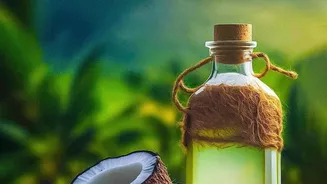
Weeks before a race, a crucial and time-honoured ritual begins. Artisans take charge of preparing the boat's hull for the intense competition ahead. This is not a simple polish but a meticulous process of applying a special, traditional lubricant. The primary ingredient is fish oil, most commonly sardine oil. This is often mixed into a potent concoction with other materials like burnt coconut shell charcoal and eggs. This mixture is painstakingly rubbed onto the entire underwater surface of the hull. The process is both practical and ceremonial, a final act of readying the village's champion for battle on the water.
Tradition Meets Fluid Dynamics
The claim that fish oil increases water velocity is not mere folklore; it is rooted in practical science. The oily mixture creates a hydrophobic (water-repellent) surface on the wooden hull. This quality makes the boat 'slippery' in the water, significantly reducing friction and drag as it glides forward. A smoother, less resistant surface allows the immense power generated by the rowers to be translated more efficiently into forward motion, thus increasing the boat's potential speed. Furthermore, the oil protects and strengthens the wood, preventing water absorption which would otherwise make the boat heavier and slower. This ancient, eco-friendly varnish is a testament to the intuitive understanding of hydrodynamics possessed by generations of Kerala boat builders.
More Than a Race
While the application of fish oil provides a physical edge, its true significance lies in its place within the larger culture of Vallam Kali. The entire process, from the weeks of rigorous training and the selection of rowers to the communal feasts and the singing of boat songs, is about fostering unity. The ritual of oiling the boat is a shared, final preparation that bonds the team and the village together. It symbolises a deep respect for tradition and the collective hope for victory. When the snake boat finally hits the water, gleaming and swift, it carries not just a hundred men, but the pride, prayers, and aspirations of an entire community, perfectly embodied in this blend of ancient craft and athletic pursuit.