






The Great Equipment Myth
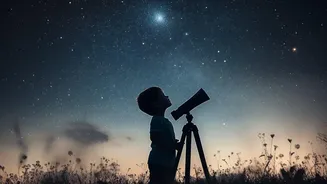
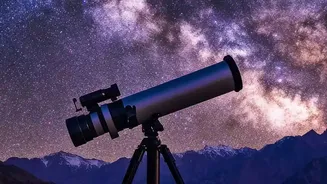
The dream of exploring the night sky often comes with an image of a large, complex telescope. While these instruments are incredible, they can also be intimidating and expensive for beginners. Many aspiring astronomers feel discouraged by the perceived
cost and complexity, believing that meaningful stargazing is out of reach. However, experts often recommend that newcomers start with nothing more than their naked eyes or a simple pair of binoculars. Your eyes are surprisingly powerful tools for astronomy, capable of spotting thousands of stars, several planets, and even meteor showers on a clear, dark night. The key is learning to use the sky's natural rhythms to your advantage, which costs nothing and can be far more rewarding than wrestling with complicated equipment before you've learned the constellations.
Follow the Moon's Lead
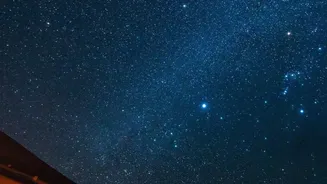
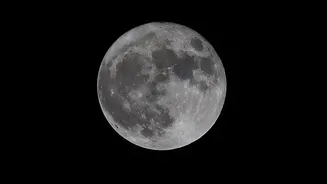
The single most significant factor affecting what you can see is the Moon. A bright full moon acts like a giant source of natural light pollution, illuminating the atmosphere and washing out fainter stars and distant galaxies. On a night with a full moon, the sky can be so bright that it rivals the conditions of a city center, reducing the number of visible stars from thousands to just a few hundred. The optimal time for stargazing is during the new moon phase, when the Moon is invisible in the night sky. The days leading up to and immediately following the new moon offer the darkest skies, making it the perfect window to spot the faint glow of the Milky Way or delicate star clusters. You can easily find a lunar calendar online or through various astronomy apps to plan your viewing sessions accordingly.
The Rhythm of the Night
The time of night you choose to step out onto your balcony also plays a crucial role. Just after sunset, the sky still holds a lot of residual light, a period known as twilight. For the darkest conditions, it's best to wait until at least an hour or two after sunset. Many seasoned stargazers find the hours after midnight to be prime viewing time. This is partly because local light pollution often diminishes as cities quiet down, but also because the atmosphere tends to become more stable, resulting in less twinkling and a clearer view. Your eyes also need time to adjust. It can take 20 to 30 minutes for your eyes to fully adapt to the darkness, a process called dark adaptation. So, turn off the lights on your balcony, put your phone away, and give your eyes a chance to truly see the night.
A Year of Celestial Events
Stargazing is a hobby that evolves with the seasons. The constellations you see in winter are different from those that dominate the summer sky. Astronomers often refer to an "observing season" that runs from autumn through spring, when longer, crisper nights provide extended opportunities for viewing. Winter air is typically less hazy than in the humid summer months, offering greater clarity. Furthermore, the year is peppered with predictable celestial events that are perfect for beginners. Annual meteor showers, like the Perseids in August and the Geminids in December, can produce dozens of shooting stars per hour and require no equipment at all. Marking these events on your calendar provides a fantastic reason to get outside and look up, connecting you to the grand, cosmic clockwork.
Working with Your Urban View
Living in a city or suburb presents the challenge of artificial light pollution, which creates a persistent skyglow that obscures fainter objects. While you can't eliminate it, you can mitigate it. Choosing a spot on your balcony that shields you from direct streetlights or bright neighbouring windows can make a surprising difference. Let your eyes fully adapt to the darkness, and focus on brighter objects that can punch through the glow. Planets like Venus, Jupiter, and Mars are often bright enough to be seen even from light-polluted areas. Using a good pair of binoculars can dramatically enhance your view, revealing the moons of Jupiter or the craters of our own Moon without the narrow field of view of a telescope. Many free smartphone apps can help you identify these bright targets, turning your balcony into a viable urban observatory.