





Nature's Perfect Timing
Mushrooms are not plants; they are the fruiting bodies of fungi that thrive in specific conditions. The Indian monsoon provides the perfect environment: high humidity, cooler temperatures, and damp soil. Fungi spend most of their lives as a vast underground
network called mycelium, feeding on organic matter. When the rains arrive, these networks are triggered to send up the mushrooms we see and eat. This is their way of reproducing, releasing millions of tiny spores into the wind to find new homes. This natural cycle is why certain wild mushrooms are exclusively available during this fleeting season.
The Thrill of the Forage
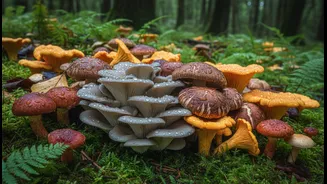
For many communities across India, the monsoon signals the start of foraging season. From the Western Ghats to the forests of Jharkhand and the hills of the Northeast, generations have passed down the knowledge of where to find these edible treasures. It’s an activity that connects people to nature and tradition. One of the most sought-after varieties is the termite mushroom, known as 'olmi' in Goa or 'rugda' in Jharkhand. These mushrooms grow on termite mounds and have a unique, meaty texture, making them a prized ingredient in local cuisines. The excitement of spotting a cluster of olmi after a thunderstorm is a feeling many foragers cherish all year.
A Dangerous Delicacy
The world of wild mushrooms is as dangerous as it is delicious. Many poisonous varieties look strikingly similar to edible ones, and a single mistake can be fatal. Incidents of mushroom poisoning are reported every monsoon season, sometimes affecting entire families. Just recently, on July 10, 2026, a family in Belagavi, Karnataka, fell ill after consuming wild mushrooms suspected of being contaminated with pesticides. This highlights another risk: even edible mushrooms can become toxic if they grow in areas where chemicals have been sprayed. The golden rule of foraging is absolute: never eat a wild mushroom unless you are 100% certain of its identity, preferably with confirmation from a local expert. When in doubt, always throw it out.
From Forest to Feast
For those who acquire them safely, monsoon mushrooms offer a world of culinary delight. Their flavours are often more intense and complex than cultivated varieties. In Goa, 'olmi' are cooked in a rich, coconut-based xacuti or simply stir-fried to let their earthy taste shine. In Jharkhand, the crunchy 'rugda' is often called 'vegetarian mutton' and used in hearty curries. Across the country, tribal communities have simple, traditional recipes that honour the mushroom's natural flavour—sautéed with onions and chilies, cooked into a simple gravy, or served with hot rice. These dishes are a celebration of the season, a taste that can only be experienced for a few months each year.
A Powerhouse of Nutrition
Beyond their taste, wild mushrooms are packed with nutritional benefits. They are a great source of protein, making them an excellent choice for vegetarian diets. They are low in calories and fat but rich in essential nutrients like B vitamins, potassium, and selenium, which is a powerful antioxidant. In fact, mushrooms are one of the few non-animal sources of vitamin D, a crucial nutrient for bone health. Wild mushrooms, in particular, have been found to contain a wide range of bioactive compounds that can help boost immunity and promote gut health.