


The Untouchable Sofa is Dead
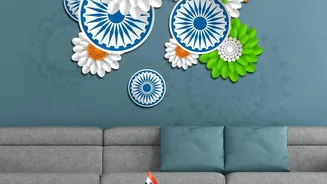
If you grew up in an Indian home, you remember the rules. The best crockery was for 'special occasions', and the drawing room sofa, often shrouded in protective plastic, was strictly for visitors. This was the era of the 'display-first' living room—a
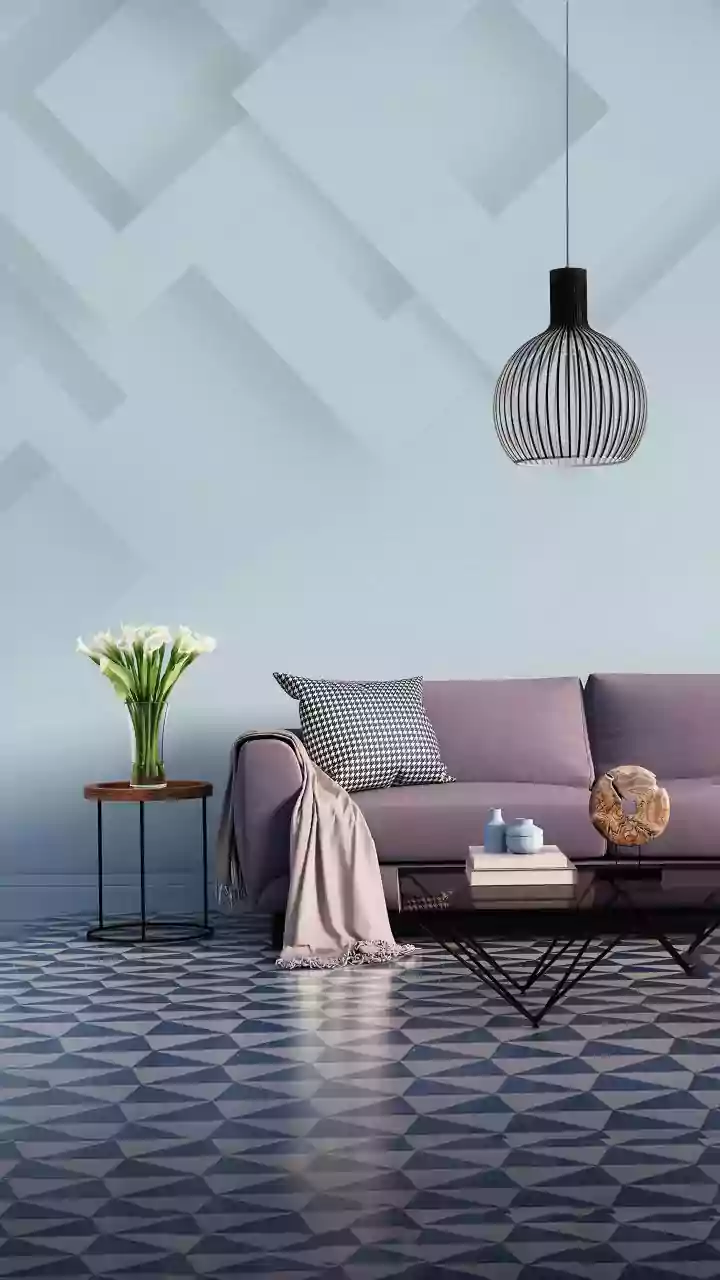
space designed to impress, not to be inhabited. It was a chamber of grandeur defined by imposing furniture, polished floors, and a sense of formality that kept the family out. That room, a symbol of aspiration and social standing, was more of a museum than a living space, perfectly curated and perpetually untouched. But that model is rapidly fading as homeowners question the need for a room that performs a social role rather than serving the people who live there. Today, luxury is less about announcing wealth and more about creating atmosphere and a sense of well-being.
What 'Lived-In' Actually Means
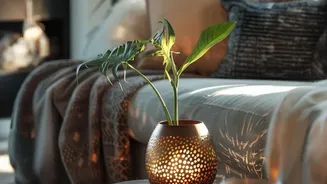
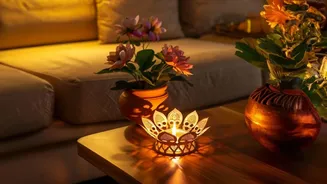
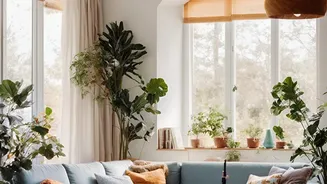
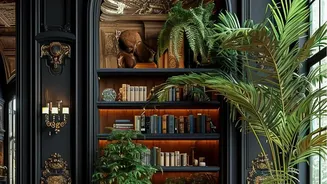
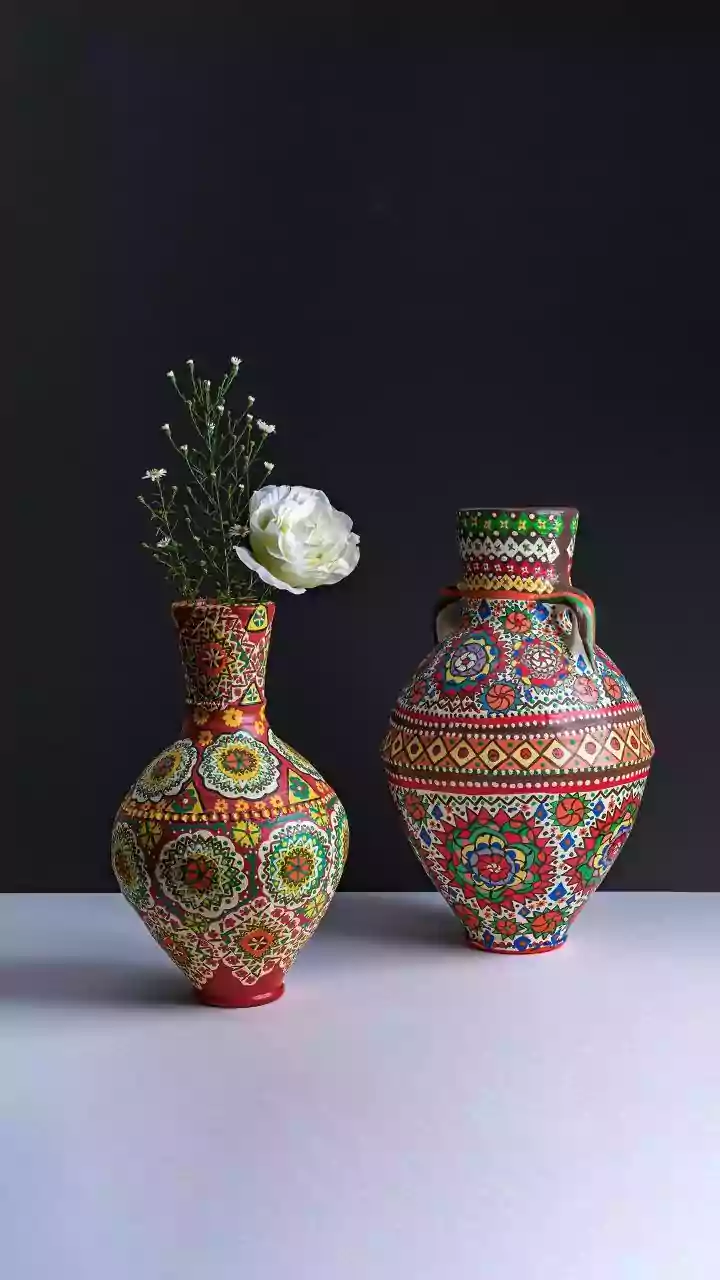
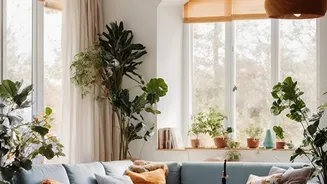
The shift to a 'lived-in' aesthetic is not about embracing clutter. Instead, it’s a move towards authenticity, comfort, and personal expression. It means creating spaces that reflect the inhabitants' personalities and support their daily routines. Think warm neutrals replacing cool greys, and furniture with soft curves rather than sharp, rigid edges. The look is defined by a curated mix of styles instead of matching five-piece sets. It’s about layering textures—a handwoven rug, a brass mirror, a comfortable armchair that invites you to read a book—to create a space that feels collected over time, not ordered from a catalogue. This new approach values items with history and meaning, where a handcrafted object or a family heirloom becomes the centerpiece, telling a story that mass-produced glamour cannot.
Function Over Formality: The Drivers of Change
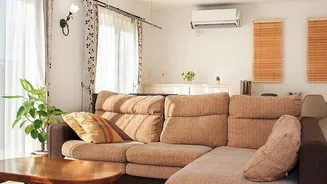
Several factors are driving this transformation. The rise of nuclear families means homes are becoming personal sanctuaries rather than formal community hubs. Globally connected millennials and Gen Z, exposed to international design philosophies like Scandinavian simplicity and Japanese minimalism via social media, are blending these with Indian craftsmanship to create a unique fusion. Perhaps the biggest catalyst was the pandemic. Forced to spend unprecedented time indoors, people realised their homes had to be more than just beautiful—they had to be functional. The living room suddenly became a home office, a classroom, a gym, and a cinema. This accelerated the demand for multifunctional furniture and spaces designed for flexibility and emotional comfort over performative display. The focus has shifted from single, oversized sofas to a versatile collection of seating and tables that can adapt to work, leisure, and family life.
A New Design Language
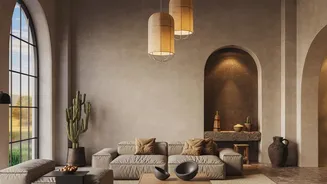
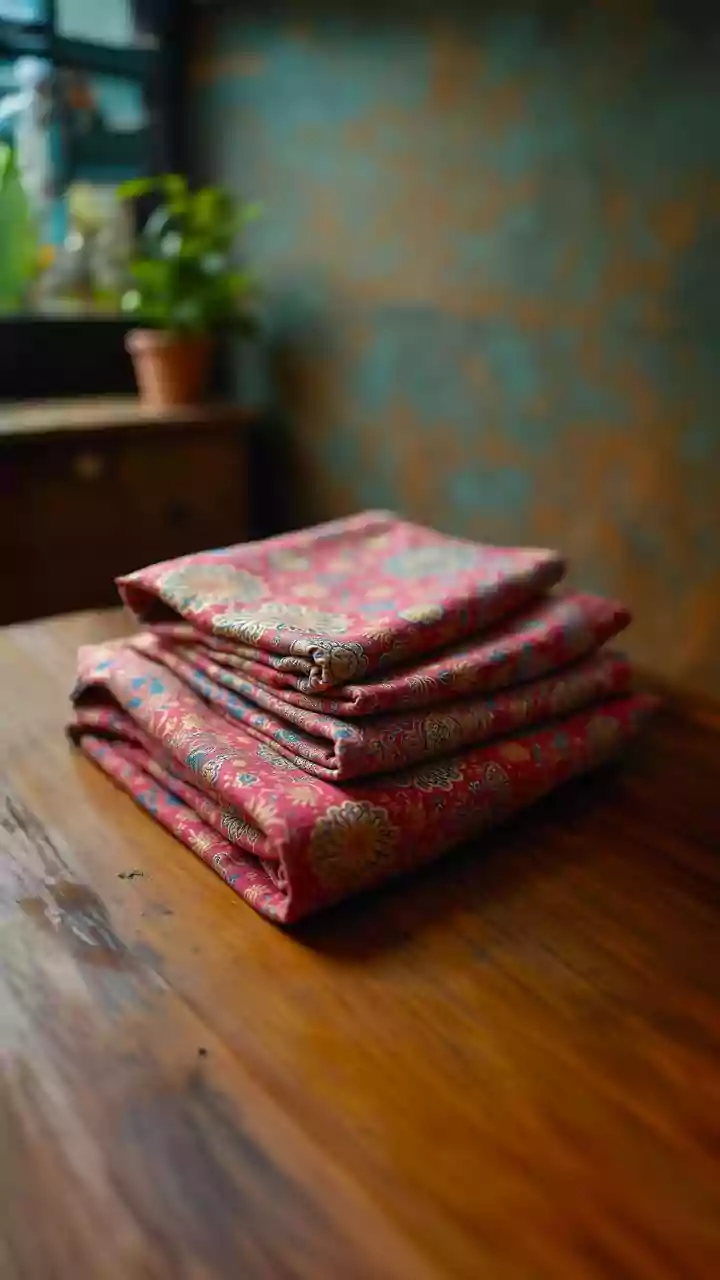
This evolution is creating a new design language for Indian homes. It prioritizes natural and tactile materials like solid wood, jute, and linen over high-gloss finishes. There's a renewed appreciation for traditional Indian crafts—not as relics, but as soulful textures in modern settings. The home is no longer just a physical asset but a deep reflection of personal identity and aspiration. This is visible in the growing demand for personalised spaces, from quiet reading nooks to green balconies that serve as urban escapes. As one designer notes, luxury is no longer about how much space you have, but how beautifully that space is inhabited. It marks a turn from viewing interior spending as an expense to seeing it as an investment in quality of life.