



The Blueprint for Dominance
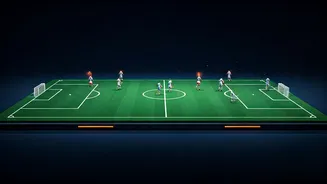
Under coach Didier Deschamps, France has long blended pragmatism with devastating attacking talent. The 4-2-3-1 formation is the perfect expression of this philosophy. It provides defensive solidity with a four-person backline and two holding midfielders,
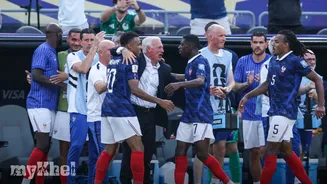
while offering immense flexibility and firepower in attack. This setup allows Les Bleus to remain compact without the ball, often shifting into a 4-4-2 defensive block, yet transition into attack with breathtaking speed. Their group stage performance was a testament to this, winning all three matches against Senegal, Iraq, and Norway, scoring a remarkable 10 goals in the process. This run of form continued into the Round of 32, where they dispatched Sweden with a comfortable 3-0 victory.
The Midfield Engine Room
The foundation of the 4-2-3-1's success is the 'double pivot' – two central midfielders who protect the defence and initiate attacks. For France, this role is expertly filled by players like Aurélien Tchouaméni and N'Golo Kanté. Tchouaméni is a two-way force, trusted to win duels and maintain the team's structure, while his passing range helps relieve pressure. This duo acts as a shield, breaking up opposition plays and recycling possession efficiently. Their discipline provides the platform for the attacking players to operate with freedom, ensuring the team maintains balance between its defensive duties and its explosive offensive transitions.
The Attacking trident
Ahead of the midfield pivot is a trio of attacking midfielders, the creative heart of the team. This line is where France’s depth of talent truly shines. Players like Michael Olise, Ousmane Dembélé, and Désiré Doué provide a blend of pace, dribbling, and creativity that few defences can handle. Dembélé often operates from the right, using his unpredictability to drift inside and combine with teammates, while the left-sided attacker provides width and 1-v-1 threat. At the center of this trio is the 'number 10', a player who links the midfield and attack, finding pockets of space between the lines to orchestrate play. This fluid interchange of positions makes France’s attack incredibly difficult to mark, creating overloads and pulling defenders out of position.
The Spearhead: Kylian Mbappé
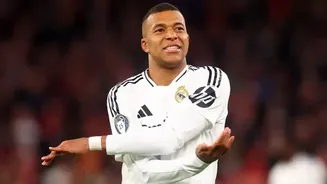
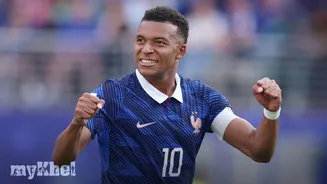
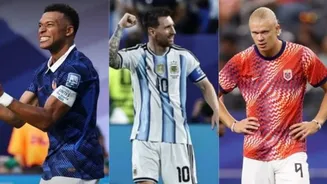
Leading the line as the lone striker is the team's captain and talisman, Kylian Mbappé. While he is the formation's focal point, he is far from a static number 9. Deschamps gives him the freedom to drift across the entire frontline, attacking spaces behind the defence or moving into wide channels to create overloads. His explosive pace and clinical finishing make him a constant threat, especially on the counter-attack. Mbappé’s performance in the tournament has been sensational; he scored a brace against Sweden to take his tally to six goals, tying for the tournament lead. His movement not only creates chances for himself but also opens up crucial space for the attacking midfielders to exploit, making him the ultimate weapon in this French system.
Record-Breaking Firepower
The effectiveness of this system is written in the record books. With their 3-0 win over Sweden, France became the first team in FIFA World Cup history to score three or more goals in five consecutive matches. This historic achievement underscores their offensive prowess and the clinical nature of their attack within the 4-2-3-1 structure. Mbappé's two goals in that match also pushed his knockout stage tally to 10, a new all-time record. This blend of tactical structure and individual brilliance has made France a formidable force, systematically dismantling opponents on their way to the Round of 16.