



The Original Indian Protein Powder
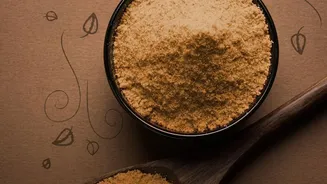
Sattu is a flour made from roasted pulses and cereals, most commonly Bengal gram (chana). This age-old staple, especially popular in states like Bihar, Jharkhand, and Uttar Pradesh, is treasured for its impressive nutritional profile and long shelf life.
The roasting process is key; it not only imparts a unique nutty flavour but also makes the nutrients more easily digestible. Often called the 'poor man's protein', sattu is an affordable powerhouse of plant-based protein, fibre, and essential minerals like iron, magnesium, and calcium. Unlike many other flours that require cooking, roasted sattu can be consumed simply by mixing it with liquid, making it a convenient food for a fast-paced lifestyle.
Why Sattu for Breakfast?
Starting your day with sattu is a game-changer. Its high protein and fibre content promotes a feeling of fullness, which can help prevent overeating and support weight management. The complex carbohydrates provide a slow, sustained release of energy, keeping you active and alert without the sugar crash associated with many breakfast options. With a low glycemic index, sattu is also an excellent choice for managing blood sugar levels. Furthermore, it has natural cooling properties, making it a refreshing start to the day, especially in warmer climates. Its rich fibre content also aids digestion and helps maintain good gut health.
The Basic Sattu Bowl Formula
Creating a sattu bowl is less about a strict recipe and more about a simple, customisable formula. The foundation is a smooth paste made by mixing a few tablespoons of sattu flour with a small amount of liquid (like water, milk, or curd) to ensure there are no lumps. Once you have a smooth base, you can thin it to your desired consistency. From there, you can go sweet or savoury. For a sweet bowl, think of it as a porridge or smoothie bowl. For a savoury version, it becomes more like a thick, flavourful dip or upma-style meal. The key is to balance textures and flavours with your choice of liquids and toppings.
Classic Sweet Jaggery Bowl
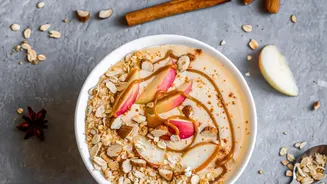
This is the simplest and most traditional way to enjoy a sweet sattu breakfast. Start by mixing 4-5 tablespoons of sattu flour with a little warm water or milk until it forms a smooth paste. Gradually stir in more milk or water until you reach a thick, porridge-like consistency. For sweetness, dissolve a spoonful of powdered jaggery in a little warm water and mix it in. This method ensures the jaggery blends seamlessly. Elevate this simple bowl by topping it with chopped nuts like almonds and walnuts for a healthy crunch, and perhaps some raisins for added sweetness and texture. A pinch of cardamom powder can also add a wonderful aroma.
Savoury Masala Bowl
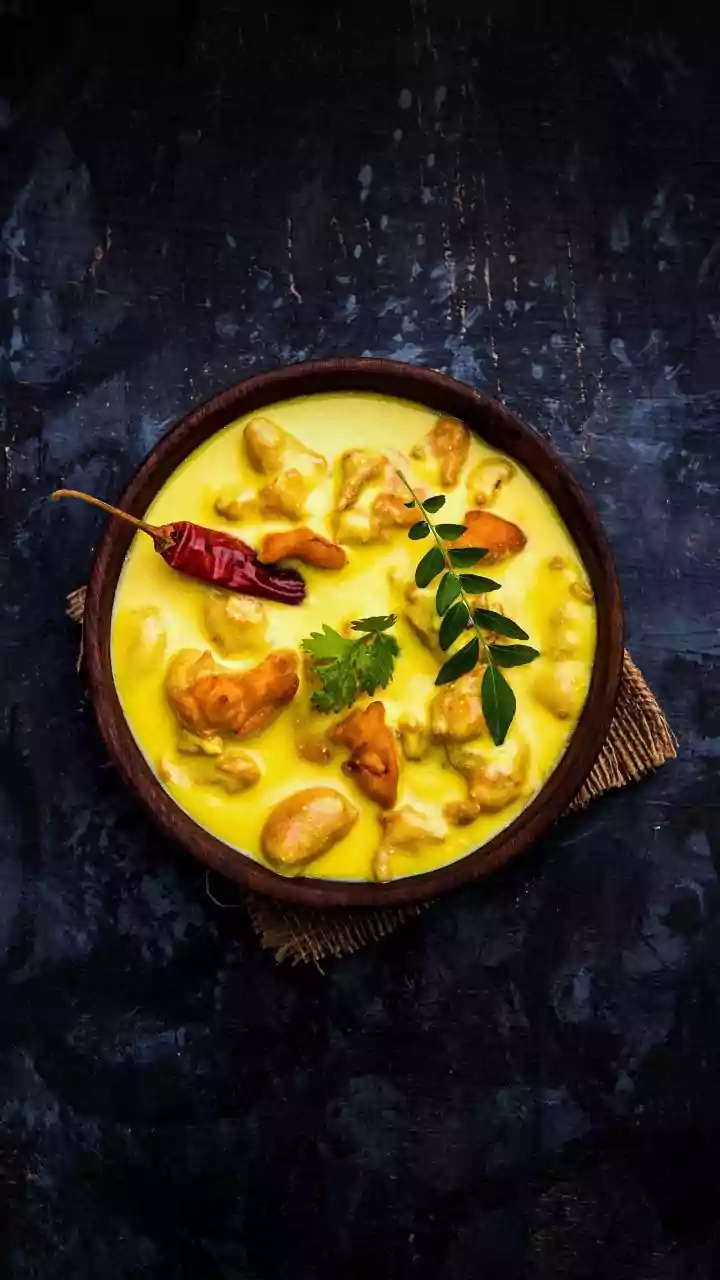
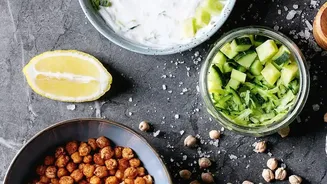
For those who prefer a savoury start, the masala sattu bowl is a quick and zesty option. Make a thick paste with sattu and water or buttermilk. To this base, add finely chopped onion, green chillies, and fresh coriander leaves. Season it with roasted cumin powder, a pinch of black salt (kala namak), and a generous squeeze of lemon juice for a tangy kick. For an extra layer of flavour, some people add a spoonful of mustard oil from a favourite pickle. This bowl is packed with flavour and can be eaten as is or served with a side of plain curd.
Modern Fruit & Nut Bowl
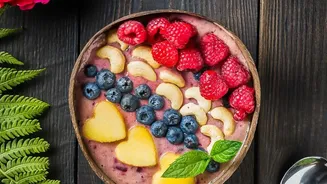
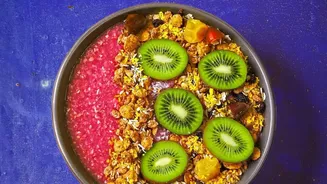
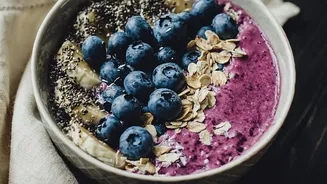
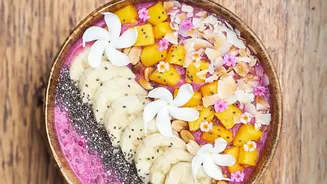
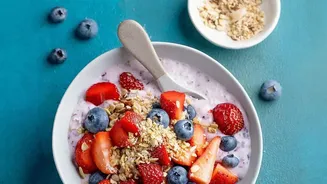
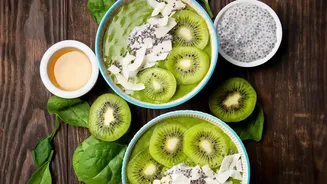
Give your sattu bowl a contemporary twist by loading it with fresh fruits and seeds. Prepare a base porridge using sattu and milk (dairy or plant-based). Instead of jaggery, you can use a drizzle of honey or maple syrup. Now, turn it into a vibrant breakfast bowl by topping it with sliced banana, fresh mango chunks, or a handful of berries. Sprinkle on some chia seeds or flax seeds for an extra boost of fibre and omega-3s. Toasted coconut flakes and a mix of pumpkin or sunflower seeds add a delightful crunch and texture, making it as visually appealing as it is nutritious.