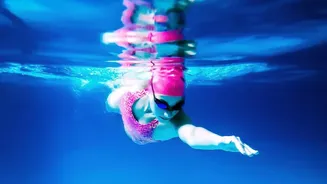





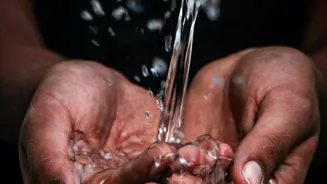

It happens in an instant: a splash at the pool, an accidental shower, or a quick rinse under the tap. For contact lens wearers, any exposure to water is more than a minor inconvenience—it's a significant risk to your eye health.
The Hidden Danger in Water
It’s a common misconception
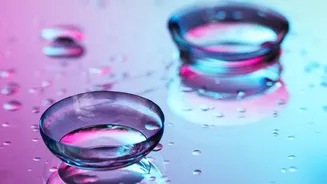
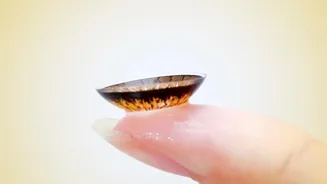
that any water clean enough to drink is safe for contact lenses. However, all water sources—including tap water, swimming pools, oceans, lakes, and even bottled water—are not sterile. They contain a variety of microorganisms that can be harmful to your eyes. Soft contact lenses are porous, like tiny sponges, designed to absorb moisture to stay comfortable. When they come into contact with water, they absorb these invisible germs and trap them against your cornea, the clear front surface of your eye. This creates an ideal environment for dangerous pathogens to cause serious infections.
Meet Acanthamoeba: The Biggest Risk
The most serious threat lurking in water is a microscopic amoeba called Acanthamoeba. This organism is commonly found in nearly all types of water and soil. If it gets trapped behind a contact lens, it can cause Acanthamoeba keratitis, a rare but severe and painful infection of the cornea. This infection is notoriously difficult to treat and can lead to months of intensive medical care, corneal transplants, and in the most extreme cases, permanent vision loss or blindness. The risk of this infection increases dramatically when wearing contacts while swimming, using a hot tub, or showering.
Your Immediate Action Plan
If your contact lenses touch water for any reason, the advice from health authorities like the CDC is clear: act immediately. The safest and most recommended course of action is to remove the lenses as soon as possible and throw them away. Do not try to salvage them by rinsing. Even a thorough cleaning may not eliminate all the harmful microorganisms that have been absorbed into the lens material. If you wear daily disposables, simply discard the pair and start fresh with a new one. For those who wear bi-weekly or monthly lenses, it is still wisest to discard the contaminated pair; the cost of a new lens is insignificant compared to the potential cost of an infection.
If You Absolutely Cannot Replace Them
In a situation where you have no spare lenses or glasses and must reuse the lens, you are taking a risk. However, if there is no other option, you must disinfect them as thoroughly as possible immediately after removal. Use a 'rub and rinse' method with your prescribed disinfecting solution before soaking them overnight in fresh solution. Never use water to rinse or store them. Peroxide-based systems offer deep disinfection but must be used exactly according to the instructions, as the solution needs to be neutralized before it's safe for your eye. This is a last resort, and you should monitor your eyes closely for any signs of trouble.