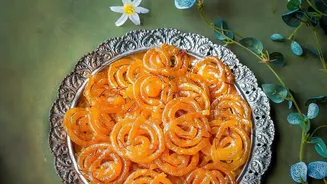



Ghevar: The Rajasthani Monsoon Jewel
This disc-shaped sweet, resembling a honeycomb, is a quintessential part of Raksha Bandhan and Teej celebrations, especially in Rajasthan and North India. Made from a batter of flour and ghee fried to a perfect crispness and then soaked in sugar syrup,
Ghevar is a testament to culinary artistry. Its circular shape is often seen as symbolic of the eternal nature of the sibling relationship—a bond with no beginning and no end. Often lavishly topped with rabri, malai, and slivered nuts, this sweet is more than just a dessert; it’s an emblem of festivity, abundance, and joy that originated in the royal kitchens of Rajasthan.
Kaju Katli: The Diamond of Every Celebration
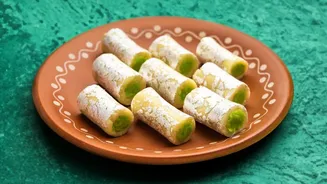
No festive sweet box in India feels complete without the iconic diamond-shaped Kaju Katli. Made from a simple yet elegant blend of cashew paste and sugar, this sweet has a universal appeal that cuts across all age groups. Its smooth, melt-in-the-mouth texture and subtle sweetness make it a sophisticated and much-loved choice for Raksha Bandhan. Kaju Katli has become a symbol of premium gifting, representing prosperity and goodwill. Its light flavour profile ensures it's never overpowering, making it a perfect treat to share after a festive meal and a safe, cherished gift for loved ones.
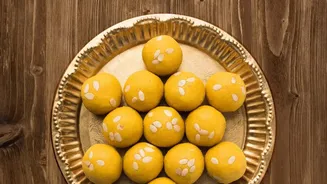
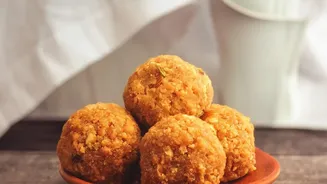
Motichoor Ladoo: Pearls of Festive Joy
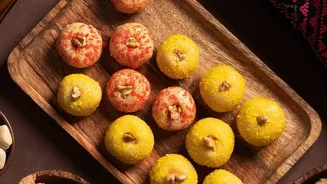
The name 'Motichoor' literally translates to 'crushed pearls', a fitting description for this beloved sweet made from tiny, deep-fried gram flour (besan) droplets called boondi. These 'pearls' are soaked in a fragrant sugar syrup and then expertly shaped into round ladoos. A staple at nearly every major Indian festival, including Raksha Bandhan, Motichoor Ladoo is often exchanged between siblings as a symbol of love and affection. Believed to bring good fortune, these vibrant orange spheres are a nostalgic treat that perfectly encapsulates the sweetness and happiness of the occasion.
Gulab Jamun: The Quintessential Comfort Sweet
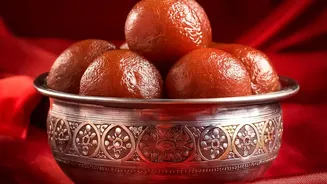
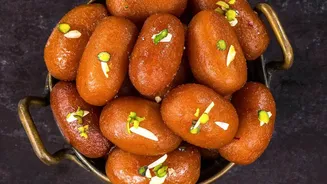
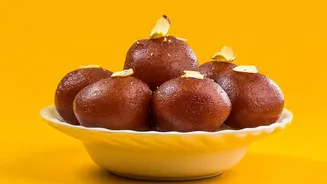
Warm, soft, and drenched in fragrant syrup, Gulab Jamun is pure comfort in a bowl. These deep-fried spheres are traditionally made from khoya (milk solids) and then soaked in a syrup often infused with rose water, cardamom, and saffron. The name itself comes from 'gulab' (rose) and 'jamun' (an Indian berry it resembles). Its presence at any celebration, including Raksha Bandhan, signifies warmth, affection, and togetherness. Whether served warm on its own or with a scoop of ice cream, this dessert is a timeless classic that brings a sense of indulgence and heartfelt joy to family gatherings.
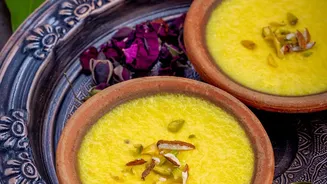
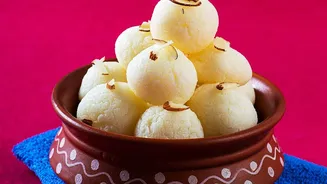
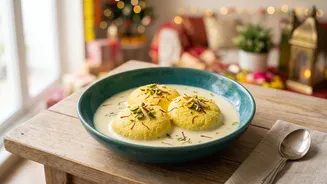
Rasmalai: A Royal and Creamy Delight
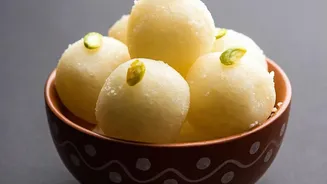
For those who love milk-based sweets, Rasmalai is a regal choice. This dessert consists of soft, spongy discs of chhena (cottage cheese) soaked in a rich, creamy, and sweetened milk (rabri) that has been delicately flavoured with cardamom, saffron, and pistachios. The name translates to 'juice' (ras) and 'cream' (malai), perfectly describing the experience of every spoonful. Often considered a luxurious treat, presenting Rasmalai on Raksha Bandhan is a way to make a sister feel truly special. It's an elegant, indulgent sweet that beautifully blends tradition with a sense of occasion.
Coconut Laddu: A Simple, Homemade Tradition
Sometimes the most special treats are the simplest. Coconut Laddus are a perfect example, often made at home with just a few ingredients like grated coconut, condensed milk, and a hint of cardamom. They evoke a sense of warmth and personal touch that store-bought sweets sometimes lack. Easy to prepare, these laddus are a delightful way to involve the whole family in the festive preparations. Their fudgy texture and fragrant coconut flavour make them a charming addition to the Rakhi thali, representing the pure and sweet bond shared between siblings.