







A Ritual for the Senses
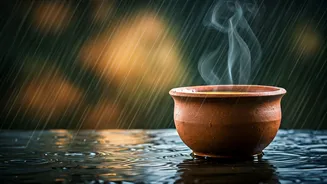
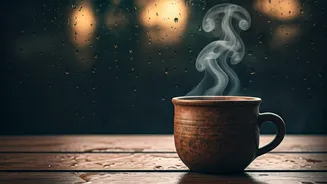
It begins with the sound. The rhythmic drumming of rain on a tin roof, the hiss of water on hot streets. This is the soundtrack of the Indian monsoon, a season of profound relief and renewal after the scorching summer heat. But this sensory experience
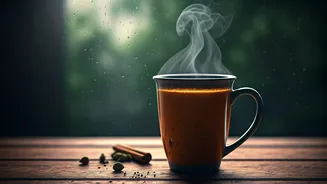
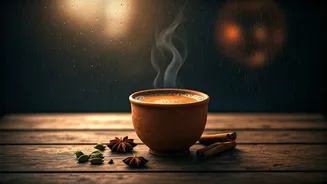
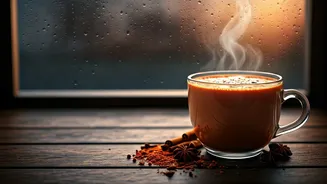
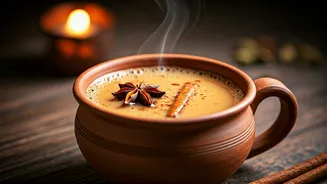
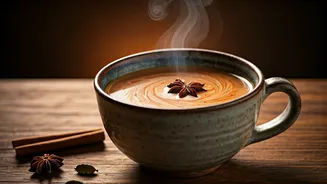
is incomplete without its accompanying taste and aroma. That’s where masala chai comes in. It’s not just a beverage; it’s the other half of the monsoon duet. The warmth of the kullad or glass against your palms, the steam carrying fragrant notes of ginger, cardamom, and clove, the sweet, milky spice cutting through the damp chill in the air — it’s a full-bodied experience that engages every sense. For millions, the simple act of brewing or buying a cup of chai is the official welcome to the rainy season. It is a moment of pause, a small, affordable luxury that makes the downpour feel less like an inconvenience and more like an event to be savoured.
The Social Glue in a Downpour
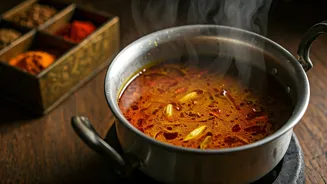
Walk down any Indian street during a rainstorm, and you’ll see it. People huddled under awnings, at bus stops, and inside office doorways, not just waiting for the rain to stop, but waiting with a purpose. They are clustered around the unsung hero of the Indian streetscape: the chai-wallah. With his giant steel pot simmering over a gas flame, he provides more than just a drink; he provides a temporary community. Strangers become companions in their shared ritual. Conversations flow easily over the clinking of glasses. In a country of immense diversity, masala chai is a potent social leveller. From the corporate CEO stepping out of his high-rise to the daily wage labourer taking a break, the humble chai stall is a democratic space. During the monsoon, its role as a social hub is amplified, offering warmth, shelter, and connection when the world outside feels chaotic and wet.
A Taste of Culinary Rebellion
While tea is now quintessentially Indian, its origins as a mass beverage are tied to British colonial rule. The British-run Indian Tea Association promoted tea consumption in the early 20th century to create a domestic market. However, they promoted the British style: black tea, perhaps with a splash of milk and sugar. India’s response was a masterstroke of culinary adaptation and rebellion. We took their tea and made it our own. We added milk, yes, but we also added a symphony of spices — cardamom, ginger, cinnamon, cloves, black pepper — creating the concoction now beloved as ‘masala chai’. This wasn't just about flavour; it was about reclaiming a foreign product and infusing it with indigenous traditions and tastes. This spiced, milky brew was far better suited to the Indian palate and became a symbol of national identity, a quiet act of making something truly, uniquely ours.
The Wisdom in the Cup
The enduring appeal of masala chai during the monsoon also has roots in traditional wisdom. The damp, cool weather of the season is often associated with an increase in colds, coughs, and lethargy. The spices in masala chai are not chosen at random; many are staples in Ayurvedic and home remedies. Ginger is known for its anti-inflammatory properties and its ability to soothe a sore throat. Cloves and cinnamon are considered ‘warming’ spices, believed to increase body heat and fight the damp chill. Cardamom is a famed digestive aid, and black pepper is said to enhance the bioavailability of other nutrients. While not a substitute for medicine, a cup of masala chai feels like a comforting, preventative ritual. It’s a warm hug from the inside, a traditional recipe for wellness passed down through generations, perfectly designed for the challenges of the season.