




The Allure of a Good Story
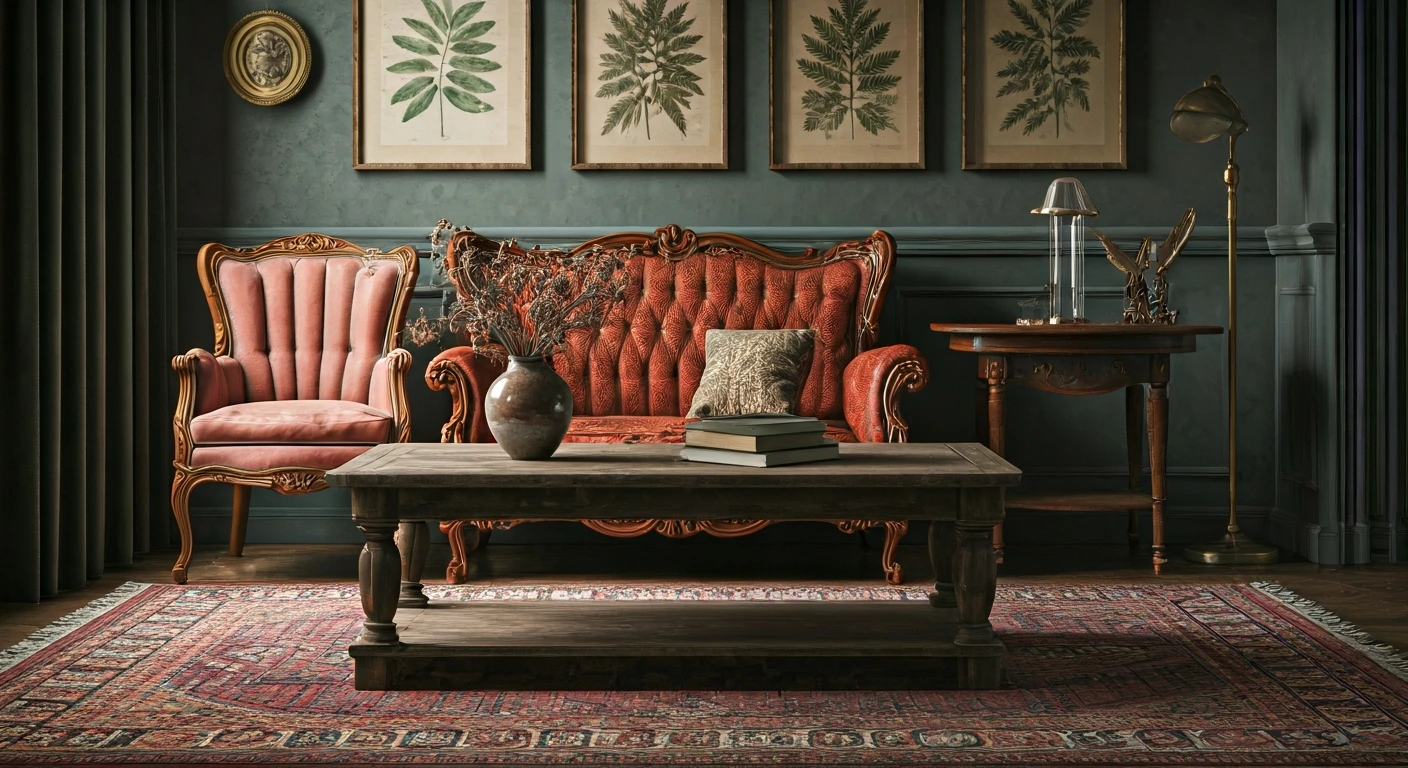
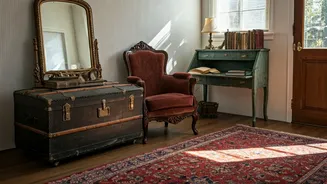
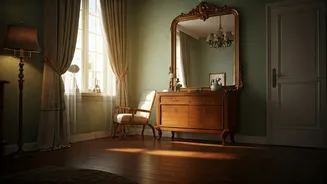
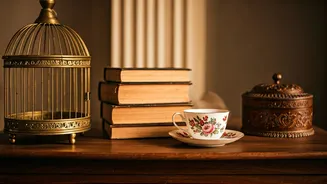
More than just a piece of furniture, a vintage item is a conversation starter. It has a past, a story whispered through its subtle patina and sturdy craftsmanship. In an era where many homes can look alike, filled with items from the same big-box stores,
vintage pieces offer a dose of unique personality. They allow homeowners to curate a space that feels collected and deeply personal, reflecting their own story by incorporating items that already have one. This move towards individuality is a direct response to the homogeneity of 'fast furniture', creating homes that feel layered, warm, and inviting.
Sustainability and Superior Quality
The trend towards vintage is also a conscious choice for a healthier planet. The 'fast furniture' industry, much like fast fashion, contributes significantly to landfill waste, with millions of tons of furniture being discarded annually in the U.S. alone. These mass-produced items are often made with lower-quality materials like particleboard and contain chemicals that make them difficult to recycle. In contrast, vintage furniture is the epitome of a circular economy; choosing a pre-loved piece keeps it out of the landfill and reduces the demand for new, resource-intensive manufacturing. Furthermore, older pieces were often built to last, using solid wood and time-tested joinery techniques, resulting in superior quality that can endure for generations with proper care.
What's Old Is New Again: Popular Styles
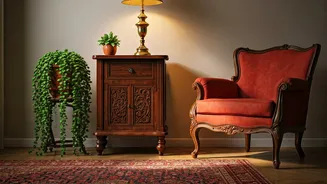
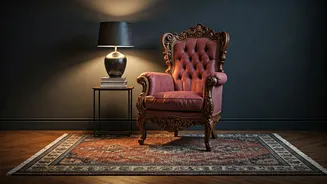
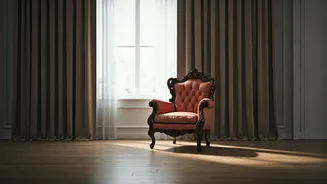
While the term 'vintage' is broad, certain eras are currently enjoying a major revival. Mid-Century Modern (c. 1940s-1960s) remains a favourite for its clean lines, organic shapes, and functional simplicity, blending seamlessly into contemporary spaces. Art Deco (c. 1920s-1930s) is also making a comeback, bringing glamour through geometric patterns, lacquered finishes, and metallic details. For a more ornate touch, some designers are incorporating Victorian pieces, known for their dark woods and intricate carvings, as dramatic statement items. The key is that these aren't museum reproductions; they are authentic pieces that bring the design integrity of their era into a modern context.
How to Master the Mix
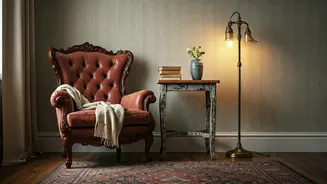
Integrating vintage furniture doesn't mean your home has to look like a time capsule. The secret is in the blend. A great guideline is the 80/20 rule: let 80% of your room be modern and contemporary, and use the remaining 20% for your vintage finds. This ensures the vintage pieces act as accents that pop, rather than overwhelming the space. Another technique is to use colour to create a cohesive look; pick a colour from a vintage textile and repeat it in modern pillows or accessories to tie the room together. Don't be afraid to mix materials and textures—pair a worn leather armchair with a sleek metal side table, or place a rustic wooden bench under a modern abstract painting. This contrast creates visual interest and a dynamic, curated feel.
The Thrill of the Hunt
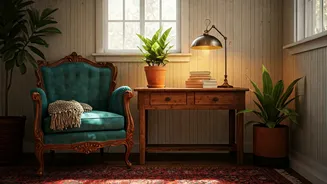
Finding the perfect vintage piece is part of the fun. Beyond local antique shops, the internet has made sourcing vintage furniture easier than ever. Online marketplaces like Chairish and even Facebook Marketplace can be treasure troves for unique finds. When you're searching, look for pieces with 'good bones'—solid construction and quality materials. Cosmetic issues like worn fabric or scuffed paint can often be easily updated or upcycled, giving a piece a new lease on life while preserving its historical character. An old chest can become a chic coffee table, or a vintage chair can be reupholstered in a bold, modern fabric. This process of discovery and transformation makes the final piece even more special.