




The October Skin Shift Explained
That sudden feeling of dryness or tightness as autumn sets in is a direct response to your environment. The primary culprit is a significant drop in humidity. Colder air naturally holds less moisture, and when you combine that with the dry air pumped
out by indoor heating systems, your skin starts to lose hydration at a much faster rate. This process, known as transepidermal water loss (TEWL), is when water evaporates from the skin's surface into the drier air. This compromises your skin's protective barrier, a crucial layer of oils and lipids that locks in moisture. A weakened barrier can lead to a cascade of issues, including flakiness, itchiness, increased sensitivity, and a dull appearance. For those with conditions like eczema or rosacea, this seasonal shift can often trigger flare-ups.
Tweak, Don't Overhaul
The good news is that you don't need to discard your entire collection of products and start from scratch. The key to happy autumn skin is making small, strategic adjustments to support your skin barrier through the transition. Think of it as adding a sweater to your outfit, not buying a whole new wardrobe. The focus should be on boosting hydration and reinforcing your skin's natural defences against the cooler, drier conditions. A few simple swaps and additions can make a world of difference, saving you time, money, and the frustration of dealing with irritated skin.
Cleanse More Gently
Your first line of defence is your cleanser. Foaming or gel cleansers that were perfect for managing summer oil and sweat can become too harsh in the autumn, stripping the skin of the natural oils it desperately needs. Consider switching to a more hydrating, cream-based or milky cleanser. These gentler formulas effectively remove makeup and grime without disrupting the delicate moisture barrier. The goal is for your skin to feel clean, soft, and comfortable after washing, not tight and squeaky. Also, resist the temptation of long, hot showers, as the heat can further strip moisture from your skin. Opt for lukewarm water instead.
Upgrade Your Moisturiser
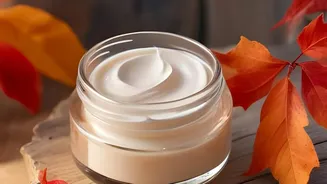
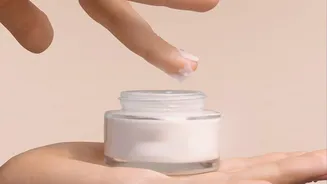
The lightweight lotion that felt so refreshing in July might not be enough to cut it in October. This is the most crucial swap to make. As humidity drops, you need a moisturiser that does more than just lightly hydrate; you need one that creates a protective seal. Look for a richer cream, especially for your nighttime routine. Key ingredients to search for are ceramides, which help restore the skin's barrier; hyaluronic acid, which draws moisture into the skin; and glycerin, which helps lock it in. Even if you have oily or acne-prone skin, don't skip this step. Simply look for a non-comedogenic formula that provides hydration without clogging pores.
Add a Layer of Hydration
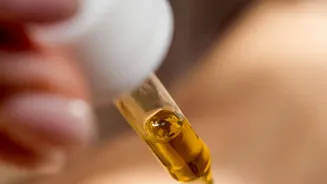
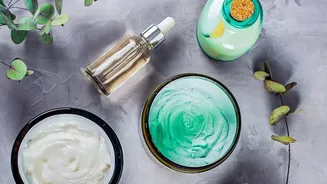
If your skin needs an extra boost, consider adding a hydrating serum to your routine. This is an easy way to layer in more moisture without feeling heavy or greasy. Apply a few drops of a serum containing hyaluronic acid, niacinamide, or panthenol onto damp skin after cleansing and before your moisturiser. This simple step acts like a drink of water for your skin, plumping it up and providing a reservoir of hydration that your moisturiser can then seal in. It's a targeted treatment that directly addresses the dehydration caused by the autumn air.
Don't Neglect Sunscreen
Just because the days are shorter and the sun feels less intense doesn't mean you can pack away your sunscreen. Harmful UV rays are present year-round, even on cloudy days, and they can continue to cause damage and weaken your skin barrier. Continuing to use a broad-spectrum sunscreen with at least SPF 30 every single day is non-negotiable. In the fall, you can even look for a more moisturising sunscreen formula to get both protection and an extra layer of hydration in one step.