


The Real Cost of Kitchen Waste
In India, millions of tonnes of food are wasted every year, a significant portion of which comes from our own homes. This includes everything from leftovers to vegetable scraps and, yes, fruit peels. While it may seem small, the habit of discarding parts
of our produce contributes to a larger environmental issue. When organic waste like orange peels ends up in landfills, it decomposes and releases methane, a potent greenhouse gas. Shifting our mindset from 'waste' to 'resource' is the first step in a more sustainable kitchen. Traditional Indian cooking has long embraced a root-to-stem philosophy out of necessity, finding ingenious uses for every part of a plant. Upcycling orange rinds is a modern return to this wise and resourceful approach.
A Nutritional Powerhouse in Disguise
The colourful outer layer of an orange is surprisingly more nutrient-dense than the juicy flesh it protects. Orange peels are packed with beneficial plant compounds called flavonoids, such as hesperidin, which have antioxidant properties. They are also an excellent source of vitamin C; just one tablespoon of orange peel can contain more of this immune-boosting vitamin than the inner fruit. Furthermore, the peel is a fantastic source of dietary fibre, which is essential for good digestion. By throwing away the peel, we are discarding a wealth of nutritional benefits that can easily be incorporated back into our diets.
Unlocking Intense Flavour
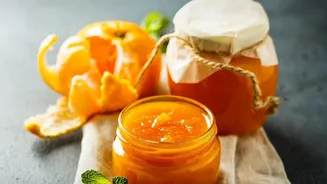
Beyond nutrition, the real magic of the orange rind lies in its flavour. The peel contains essential oils, like limonene, that deliver a concentrated, complex citrus taste that is both aromatic and slightly bitter. This is the flavour that chefs and bakers treasure for adding depth to dishes. When you transform these peels into a preserve, often called marmalade or candied peels, you create a culinary ingredient with immense versatility. The process of boiling and simmering the peels in a sugar syrup tames their bitterness, resulting in a beautiful balance of sweet and tangy. This preserve can elevate simple toast, a bowl of yoghurt, or even be used as a glaze for roasted vegetables and meats.
Getting Started: From Peel to Preserve
The idea of making your own preserves might sound daunting, but the process is straightforward. The most crucial first step is cleaning the peels thoroughly. Since pesticide residues can accumulate on the skin, it's important to wash them well. You can do this by scrubbing the oranges under warm running water with a vegetable brush. For an even deeper clean, a soak in a solution of baking soda and water for 10-15 minutes can help break down residues. Once clean, the process generally involves slicing the peels, boiling them (sometimes multiple times, changing the water) to reduce bitterness, and then simmering them in a sugar-and-water syrup until they become tender and translucent. The resulting candied peels can be stored in an airtight container for months.
More Than Just a Spread
While delicious on bread, orange peel preserves have countless other applications in the kitchen. Finely chopped candied peel can be stirred into cake batters, cookie doughs, and muffin mixes for a burst of citrus flavour. Use them as a glistening garnish for desserts like panna cotta or chocolate mousse. The fragrant syrup left over from the candying process is liquid gold; it can be used to sweeten teas, drizzle over pancakes, or shake into cocktails for a sophisticated twist. You can also dry the peels to add to tea blends or use them to create aromatic infused sugars and salts. By creating one simple preserve, you equip your pantry with a host of flavour-enhancing ingredients.