






The vibrant orange of a carrot and the deep green of spinach are more than just eye-catching colours. They are signals of powerful nutritional compounds called pigments. But what exactly do these colours tell us about what we're eating?
Nature's Colour Code: What Are Pigments?
Before diving into
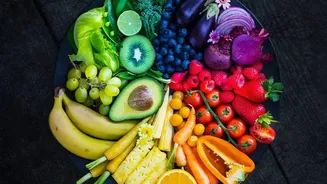
our vegetable head-to-head, it's helpful to understand what pigments are. In the plant world, pigments give fruits and vegetables their colour. But they do much more than that. These compounds, such as carotenoids and chlorophyll, are phytonutrients that possess a wide range of health benefits. They often act as antioxidants, helping to protect our body's cells from damage. There are over 600 types of carotenoids alone, which are responsible for many of the yellow, orange, and red hues in the produce aisle. When we eat a colourful diet, we are consuming a diverse array of these beneficial pigments, each with its own unique properties.
The Power of Orange: Carrots and Beta-Carotene
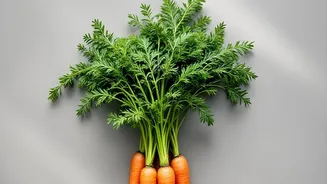
The carrot's signature bright orange colour comes from a class of pigments called carotenes, with the most famous being beta-carotene. Carrots are one of the richest dietary sources of this compound. Beta-carotene is what's known as a provitamin A carotenoid, meaning our bodies can convert it into vitamin A. This vitamin is essential for several critical functions, including maintaining healthy vision, supporting a strong immune system, and promoting cell growth. The antioxidant properties of carotenoids like beta-carotene also help protect cells from damage caused by free radicals, which is linked to chronic diseases.
The Glory of Green: Spinach's Hidden Colours
Spinach gets its deep green colour from a pigment called chlorophyll, which is essential for photosynthesis in plants. While some research suggests chlorophyll may have antioxidant and anti-inflammatory properties for humans, the story of spinach's nutritional power doesn't end there. The dominant green of chlorophyll actually masks other powerful pigments. Spinach is an excellent source of carotenoids, particularly lutein and zeaxanthin. It also contains a significant amount of beta-carotene, the same pigment found in carrots. Lutein and zeaxanthin are renowned for their role in eye health; they accumulate in the retina and act like internal sunglasses, filtering harmful blue light and protecting against conditions like macular degeneration and cataracts.
Colour vs. Nutrient Reality
So, which is better? It's not a simple case of orange versus green. While carrots have a higher concentration of beta-carotene and total Vitamin A, spinach offers a powerful combination of nutrients. Spinach contains significantly more lutein and zeaxanthin than carrots, which are crucial for eye protection. It is also vastly richer in Vitamin K, iron, and folate. The key takeaway is that the dominant colour of a vegetable doesn't tell the whole story. The green in spinach hides a wealth of carotenoids that are usually associated with yellow and orange vegetables. This highlights the importance of not judging a vegetable by its colour alone and aiming for a variety of produce in your diet.
Maximising Your Nutrient Intake
How you prepare these vegetables matters. Carotenoids are fat-soluble, meaning they are better absorbed by the body when consumed with a little fat. Lightly cooking carrots and spinach can also increase the bioavailability of their carotenoids. Heat helps to break down the plant's tough cell walls, releasing the trapped nutrients and making them easier for your body to absorb. For instance, the body absorbs significantly more beta-carotene from cooked carrots than from raw ones. Similarly, cooking spinach not only makes its carotenoids more available but also reduces levels of oxalic acid, a compound that can inhibit the absorption of minerals like calcium and iron.