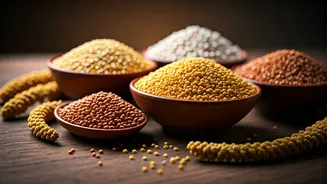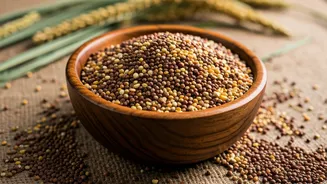




More Than Just a Health Trend
The United Nations declared 2023 the International Year of Millets, and for good reason. [23] This initiative brought these ancient grains back into the limelight, celebrating their resilience and nutritional benefits. [22, 23] But their value extends
far beyond a year-long campaign. For centuries, millets like jowar (sorghum), bajra (pearl millet), and ragi (finger millet) were staples in Indian households before rice and wheat became dominant. [8, 13] Now, as home cooks look for healthier, more sustainable options, these grains are proving that their comeback is here to stay. They are not just a nostalgic choice but a forward-thinking one for the modern kitchen. Government initiatives continue to promote their cultivation and use, ensuring they remain accessible and integrated into our food systems. [21, 22]
A Nutritional Powerhouse for Your Family
When compared to refined white rice and wheat, millets are nutritional champions. They are packed with dietary fibre, which is great for digestive health and helps you feel full for longer, aiding in weight management. [3, 4] Many millets have a lower glycemic index, meaning they release sugar into the bloodstream more slowly, which is excellent for managing blood sugar levels. [2, 3] They are also a fantastic source of essential minerals. For example, ragi is loaded with calcium, making it wonderful for bone health, while bajra is rich in iron, which helps combat fatigue. [2, 14, 17] Furthermore, millets are naturally gluten-free, making them a safe and nutritious option for anyone with celiac disease or gluten sensitivity. [4, 18]
Friendly on Your Wallet and the Planet
Choosing millets is a smart move for your budget and for the environment. These are hardy crops that are incredibly resilient. They are often drought-resistant and can grow in poor soil with fewer chemical inputs like pesticides and fertilizers. [5, 11] This makes them a more sustainable choice compared to water-intensive crops like rice. [9, 12] Cultivating millets helps conserve water, improves soil health, and promotes biodiversity. [5, 12] For farmers, especially smallholders in dry regions, millets offer a reliable and low-investment livelihood. [9, 11] By adding millets to your shopping list, you are supporting a more sustainable agricultural system that is better for farmers and the planet.
Surprisingly Versatile in the Indian Kitchen
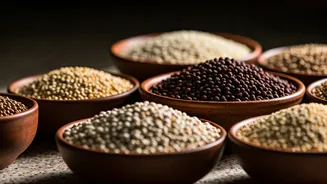
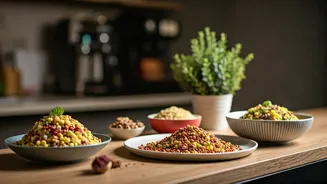
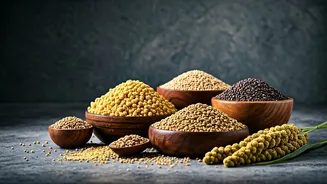
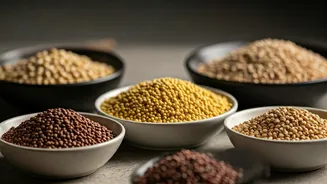
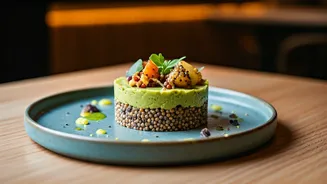
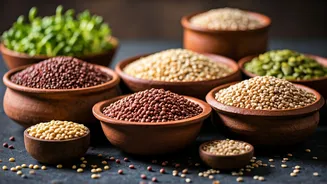
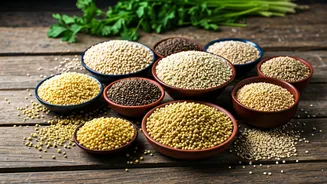
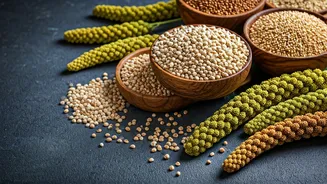
One of the best things about millets is their versatility. Don't just think of them as a simple porridge or a rustic bhakri. The different types of millets offer a range of textures and nutty flavours that can be incorporated into countless dishes. You can use foxtail millet (kangni) to make a fluffy upma or pulao, or barnyard millet (samak) as a substitute for rice in khichdi. [8, 15] Ragi flour can be used to make delicious and healthy dosas, cheelas, or even baked goods like cookies and cakes. [14, 28] Jowar can be popped like popcorn, and little millet can be used to create creamy porridges. [29] They can be cooked to have a fluffy, grain-like texture similar to quinoa or a creamier, polenta-like consistency, depending on how you prepare them. [27]
Getting Started: A Simple Guide
Intimidated by the thought of cooking millets? It’s easier than you think. A good rule of thumb for most millets is to use a 1:2 ratio of millet to water for a fluffy texture, or 1:3 for a more porridge-like result. [27] Toasting the grains in a dry pan for a few minutes before adding water can enhance their nutty flavour. [27] Soaking millets for a few hours can also help reduce cooking time and make them easier to digest. [30] Start simple: try replacing a portion of your regular rice with a millet variety in your next meal. For example, make a lemon rice using varagu (kodo millet) or a simple curd rice with samai (little millet). Once you get comfortable, you can explore recipes for millet dosas, idlis, and even desserts like kheer. [31]