




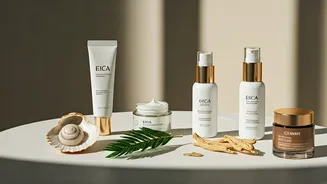



The Philosophy: Health Over Concealment
At its core, Korean beauty, or K-beauty, champions a philosophy of nurturing skin for long-term health rather than relying on makeup for a quick fix. The goal is achieving 'glass skin'—a complexion so healthy, hydrated, and luminous that it appears poreless
and translucent. This shifts the focus from concealing imperfections to preventing them. Instead of harsh scrubs and quick-fix products, the emphasis is on gentle, hydrating layers. This approach resonates deeply in India, where a tradition of using natural ingredients for skin health has existed for centuries through practices like Ayurveda. The modern Indian consumer is increasingly looking for solutions that promise lasting results, and K-beauty’s ritualistic, results-driven nature fits perfectly.
Star Ingredients That Deliver Results
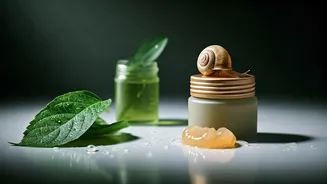
Much of K-beauty's allure comes from its innovative and effective ingredients that target common skin concerns. Ingredients like snail mucin, once considered exotic, are now celebrated for their ability to repair skin and fade acne scars. Centella Asiatica, also known as Cica or Gotu Kola, is another hero ingredient prized for its soothing properties, making it ideal for calming redness and irritation, which can be common in India's varied climates. Other staples include rice water for brightening, hyaluronic acid for intense hydration, and niacinamide for controlling oil and tackling pigmentation—a significant concern for melanin-rich Indian skin. These ingredients are not just trendy; they offer tangible benefits that address the specific needs of Indian consumers.
A Surprising Match for Indian Skin
While Korean and Indian skin types may seem different, K-beauty formulations are often surprisingly well-suited for the Indian environment. Many products are lightweight, non-greasy, and designed for layering, which works well in India's predominantly hot and humid weather. This prevents the heavy, clogged feeling that richer creams can cause. Brands are also adapting their offerings specifically for the Indian market. For instance, some have introduced 'no-sebum' ranges to combat oiliness in humid conditions and developed lip colours formulated for Indian skin tones. The focus on hydration, barrier repair, and sun protection directly addresses challenges posed by urban pollution and strong sun exposure in India.
The Digital Wave and Hallyu Effect
The meteoric rise of K-beauty in India cannot be separated from the cultural phenomenon of Hallyu, or the Korean Wave. The global popularity of K-pop and K-dramas has created immense curiosity and aspirational value around Korean culture, including its beauty standards. This has been amplified by social media, where Indian influencers and beauty creators demystify the multi-step routines through tutorials and reviews, making them accessible to a wider audience. Gen Z and millennial consumers, who are digitally savvy and actively research ingredients, are driving this trend. The visual appeal and shareable nature of K-beauty products, from sheet masks to serums, have made them go viral, turning personal skincare into a shared digital experience.
From Niche to Mainstream Accessibility
Just a few years ago, getting authentic K-beauty products in India was a challenge. Today, it's a multi-million dollar market projected to grow significantly. Major e-commerce platforms like Nykaa, Amazon, and Tira have made dozens of Korean brands readily available, from affordable options to luxury lines. This increased accessibility means consumers are no longer just hearing about these products; they can easily try them. This boom is not just limited to metros; the market is rapidly penetrating Tier-2 and Tier-3 cities. The number of K-beauty brands in India has grown from a handful to over 60, signaling a permanent shift in the country's beauty landscape.