



The Science of a Squeeze
That small, green citrus fruit holds more power than you might think. The magic lies in its acidity. Lime juice is packed with ascorbic and citric acids, which work wonders on vegetables in several ways. [4] When you add an acid to food, you are fundamentally
changing its chemistry, affecting everything from taste and texture to colour and aroma. [16] Think of lime juice not just as a flavouring, but as a culinary tool that can brighten, tenderise, and preserve your food, all at once. [15, 16] Its ability to cut through richness, balance other flavours, and add a fresh 'zing' makes it an indispensable part of kitchens worldwide, from Mexican to Thai cuisine. [3, 6]
Keeping Colours Bright and Vibrant
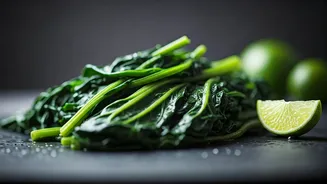
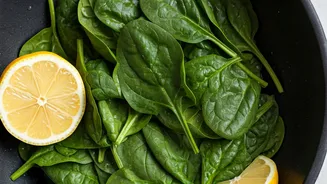
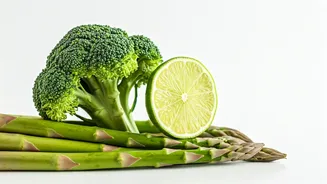
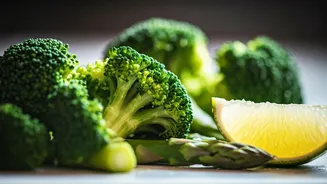
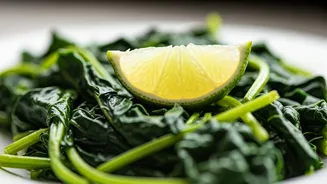
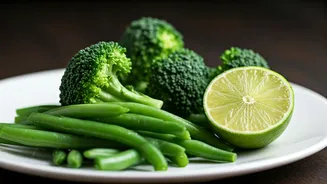
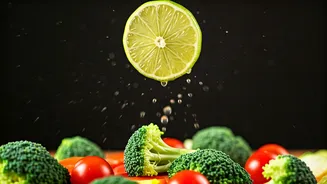
One of the most disappointing moments in cooking is watching your bright green beans or broccoli turn a sad, olive-green in the pot. This happens because heat and natural acids within the vegetables themselves break down chlorophyll, the pigment that makes them green. [1, 8] While adding acid directly during cooking can sometimes hasten this dulling effect for green vegetables, a squeeze of lime at the end of the cooking process, or used in a dressing, is perfect. [8, 10] For other vegetables, acid has a different effect. It helps preserve the vibrant hues of red and purple vegetables (like red cabbage) and keeps white vegetables (like cauliflower) from yellowing. [1, 10] Furthermore, the antioxidants in lime juice help prevent oxidation—the chemical reaction with air that causes fruits and vegetables like apples, potatoes, and avocados to turn brown. [2, 4, 14]
A Burst of Flavour and Better Texture
Beyond colour, lime juice is a master of enhancing flavour. Acid awakens the palate, cutting through heavy or rich flavours and making everything taste brighter and more dynamic. [6, 12] A little acidity can balance sweetness, reduce the need for excess salt, and make spicy dishes more complex and enjoyable. [2, 3] It adds a refreshing contrast that prevents a meal from feeling flat or one-dimensional. [16] In terms of texture, the effect varies. For raw preparations like salads and pickles, acid can help keep vegetables crisp and firm. [12] In marinades, the same acids work to break down proteins, tenderising tougher cuts of meat and infusing them with flavour. [12, 16] When cooking vegetables, it's about timing; a final squeeze preserves a pleasant bite, preventing them from becoming overly mushy.
When and How to Use Lime
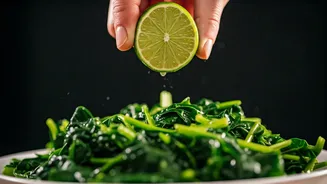
The secret to using lime effectively is all in the timing. Adding it too early can sometimes have unwanted effects, like making beans tough or turning greens dull. [12] For roasted or sautéed vegetables, the best practice is to cook them with your usual oil and spices until they are caramelised and tender. Then, just before serving, add your squeeze of lime. [20] This method ensures you get the bright, fresh flavour and aroma without making the vegetables soggy. [20] For steamed vegetables, tossing them in a lime-based dressing while they are still warm allows them to absorb the flavour beautifully. [24] In salads, adding the dressing just before tossing preserves the crispness of the leaves. [5] For dishes like guacamole, adding lime juice immediately after mashing the avocado is key to preventing browning. [22]
Beyond the Humble Lime
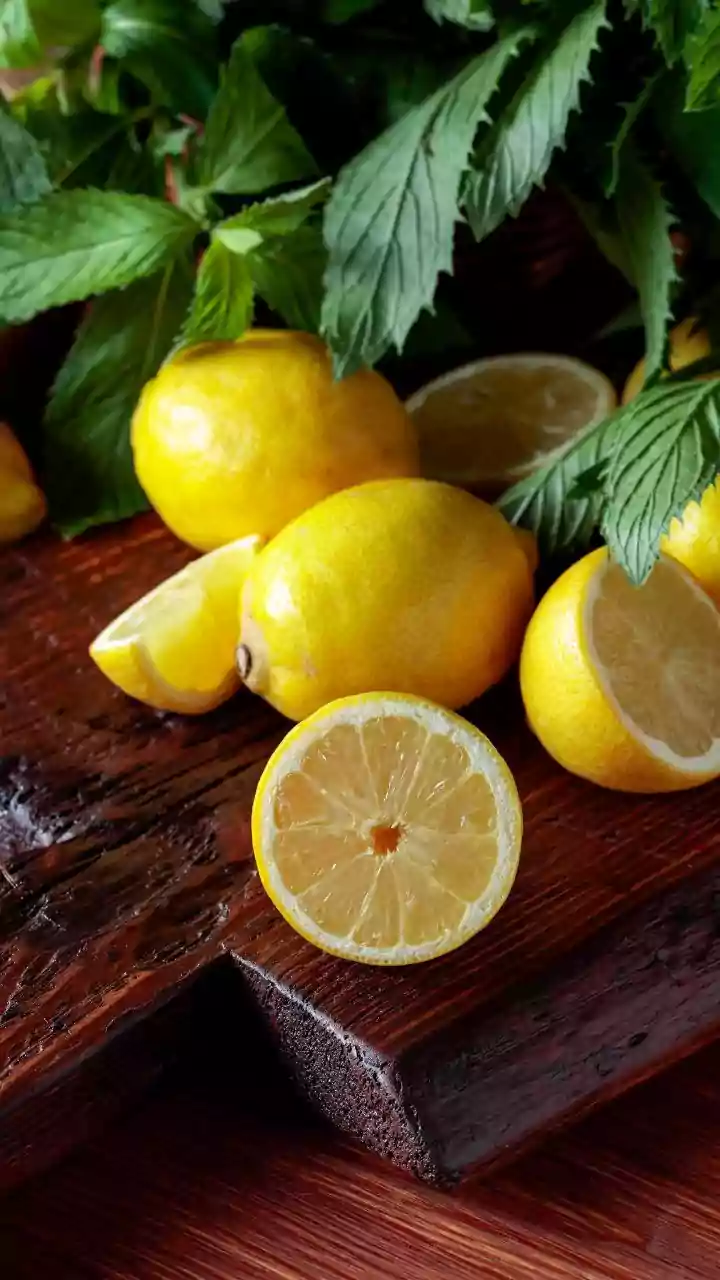
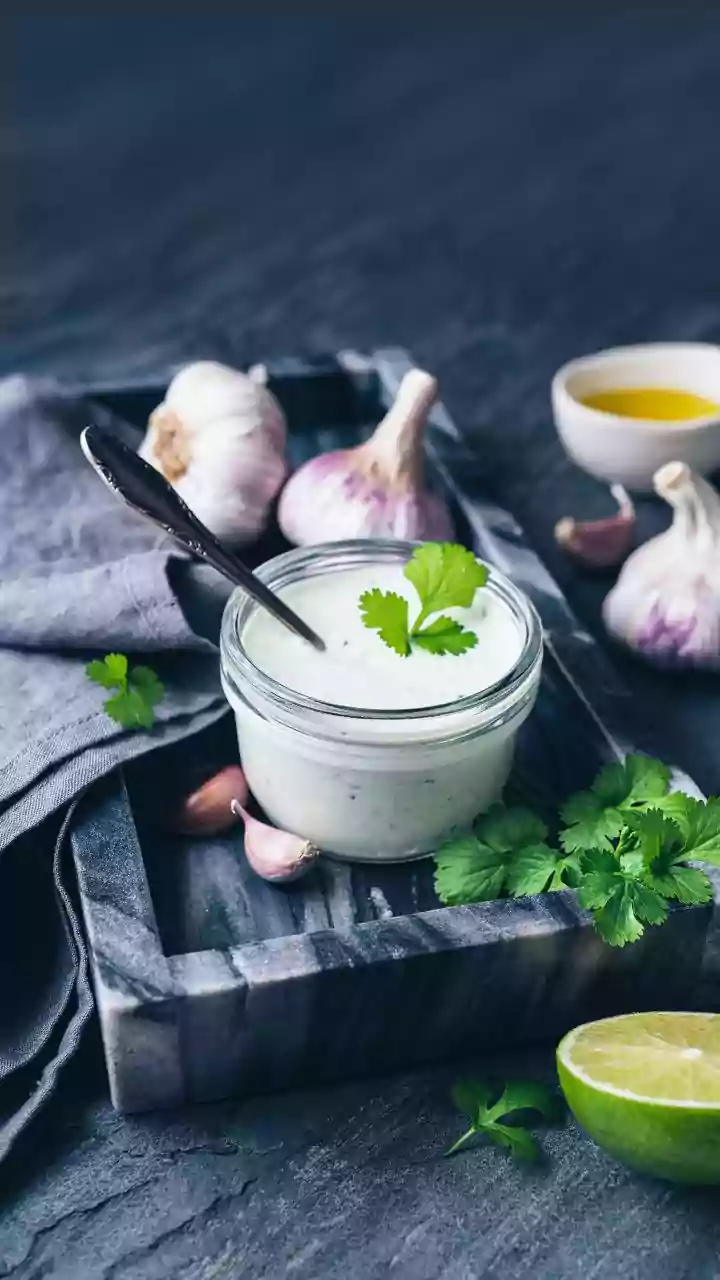
While lime is a superstar, it's part of a larger family of acidic ingredients that can elevate your cooking. Lemon juice offers a slightly sweeter tang, while different vinegars—like apple cider, balsamic, or red wine vinegar—bring their own unique complexities. [12, 20] Even dairy products like yogurt and dahi act as acids in marinades, famously tenderising chicken for tikkas and kebabs. Tomatoes, another staple of Indian cooking, bring their own acidity to curries and sauces. [15] Understanding the principle of using acid to balance and brighten your food opens up a world of culinary possibilities. Start by experimenting with that simple lime squeeze and you’ll soon find yourself reaching for it to transform every meal.