


Identify and Honour Your Essentials
The first step to a functional home is to identify your true everyday essentials. These are the non-negotiable items you reach for daily, often without thinking: your keys, wallet, phone, chargers, and perhaps daily medications. When these items don't
have a designated home, they create instant visual clutter, landing on any available surface. The goal is to create a dedicated, high-visibility 'launch pad' for these items. This could be a decorative tray by the entrance for keys and sunglasses, a small organiser on your bedside table for your phone and glasses, or a specific hook for your bag. By giving these items a permanent, accessible spot, you eliminate the frantic morning search and set a foundation of order that takes seconds to maintain.
The Logic of Functional Grouping
Once your daily essentials are sorted, the next, more transformative step is to group everything else by its function. This organising principle, sometimes called 'zoning', is about storing items together based on the activity they relate to. Instead of storing batteries in one drawer, tape in another, and scissors in a third, you create a 'household repair' kit. This simple shift in thinking from 'what is it?' to 'what is it for?' is revolutionary. It stops you from walking back and forth across a room—or the entire house—to complete a single task. The goal is to create mini-stations for routine activities, which drastically reduces friction and makes your home feel more intuitive to live in.
Putting It to Work: The Kitchen
The kitchen is often the heart of the home and a prime candidate for functional grouping. Many Indian kitchens, regardless of size, can be organised into logical zones. Start by creating a cooking zone around the stove, keeping oils, daily spices, and frequently used pans within arm's reach. Then, establish a prep zone on a clear counter, with knives, cutting boards, and mixing bowls nearby. A third zone can be for cleaning, centred around the sink with soaps and scrubbers. All your coffee and tea supplies—the mugs, sugar, kettle, and tea bags—should live together in one cabinet or on one tray. This way, making your morning beverage is a single, streamlined process rather than a treasure hunt through multiple cupboards.
Applying the Method to Wardrobes and Workspaces
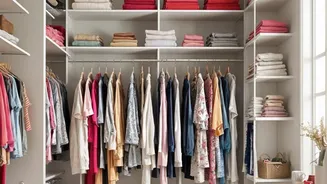
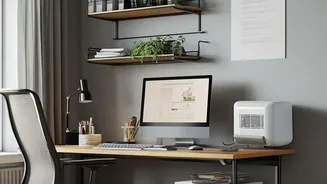
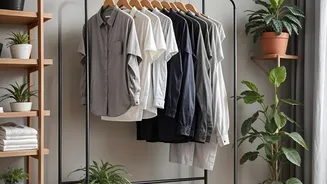
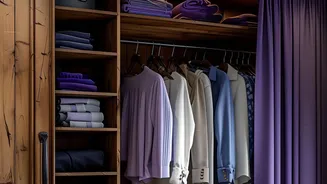
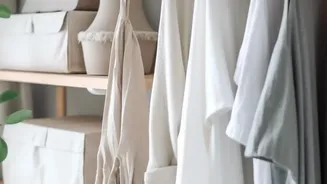
This principle works wonders beyond the kitchen. In your wardrobe, it means grouping all work clothes together, all gym clothes together, and all festive wear together. Within those categories, you can further group by type—shirts with shirts, trousers with trousers. For those working from home, a functional workspace is key. Group all your stationery in one drawer or organiser. All charging cables and tech accessories should have their own box. Paperwork should be sorted into functional categories like 'bills to pay,' 'documents to file,' and 'current projects.' When items used for the same task are stored together, tidying up becomes a simple matter of returning the 'kit' to its home.
Beyond the Basics: Hobbies and Storage
This organisational philosophy extends to every corner of your home, including utility areas and hobby spaces. If you have a passion for painting, all your brushes, paints, and canvases should be consolidated in one area. If you are an avid gardener, your tools, gloves, and pots should be stored together near the door to your garden or balcony. Even the dreaded storage closet can be tamed by grouping items by purpose. Create a box for seasonal decorations, another for travel-related items like luggage tags and adapters, and a third for gift-wrapping supplies. By categorising based on use, you can find what you need without having to empty the entire closet.