

The Friendly Deception of Mint
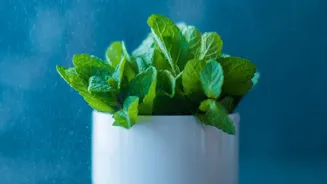
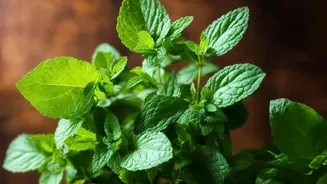
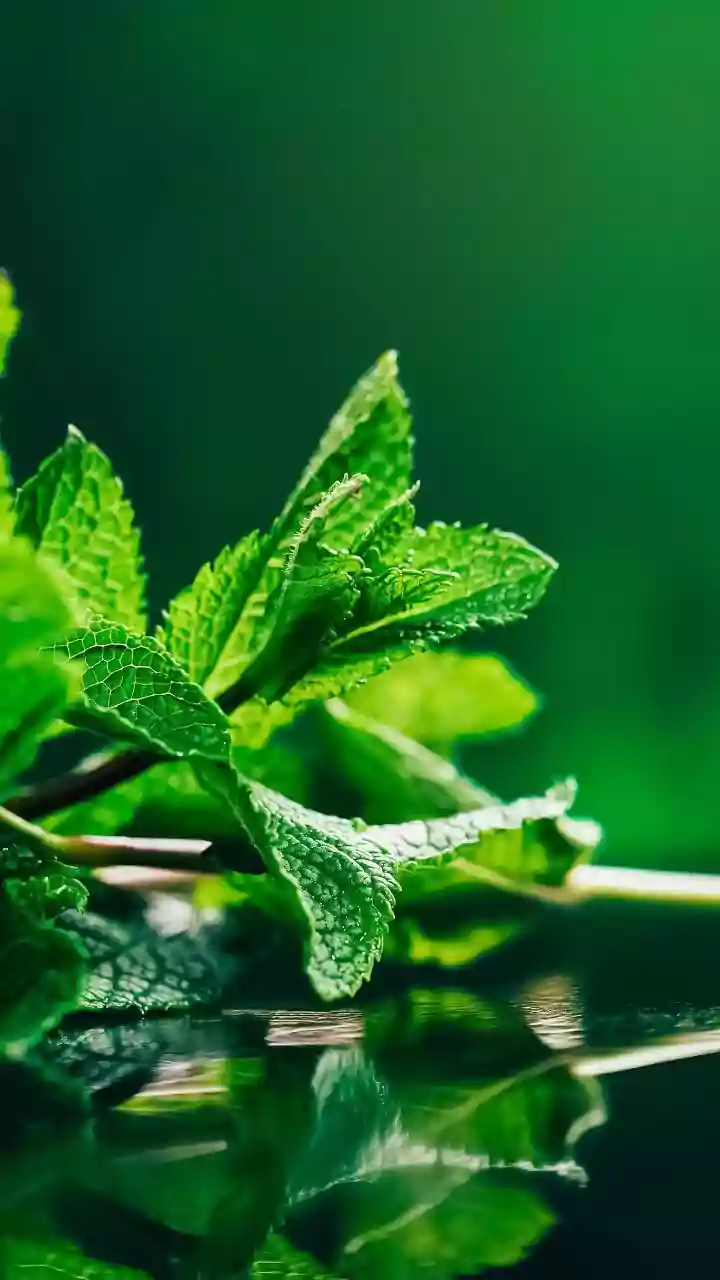
Mint is famously easy to grow. It’s a hardy perennial that comes back year after year, tolerant of both sun and part shade, and its fresh aroma is a welcome addition to any garden or kitchen. Spearmint, peppermint, chocolate mint—the varieties are endless
and enticing. This beginner-friendly nature makes it a popular choice. However, the very thing that makes mint so resilient—its vigorous growth—is precisely what makes it a terrible neighbour in a shared planter. Its easy-going reputation masks an aggressive, invasive nature that can quickly turn a beautiful herb garden into a monologue of mint.
An Underground Takeover Artist
The secret to mint’s aggressive spread lies beneath the soil. The plant propagates through a system of underground runners called rhizomes. These horizontal stems travel far and wide, sending up new shoots wherever they find an opening. Before you know it, what started as a single, polite plant has sent out an underground network to colonise the entire container. These rhizomes form dense mats of roots that choke out other plants, aggressively competing for water, nutrients, and light. This isn't just a matter of being a little crowded; mint is a relentless competitor that will actively displace its neighbours to ensure its own survival and dominance.
The Unhappy Herb Planter
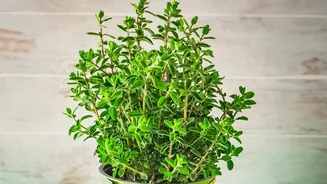
When you plant mint in a mixed container with other herbs, the outcome is predictable. Delicate herbs like parsley and chamomile are often the first to suffer. Even more robust, woody herbs like rosemary, which you might assume could hold their own, can be overwhelmed and eventually killed by mint's relentless encroachment. The mint's powerful root system will steal resources, leaving other plants to struggle. What was intended as a diverse collection of culinary herbs will, often within a single season, become a pot exclusively dedicated to mint, with the sad, withered remains of its former companions as a cautionary tale.
The Perfect Solution: Containment is Key
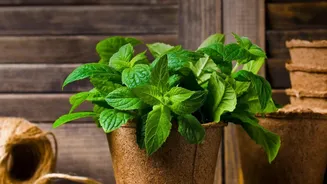
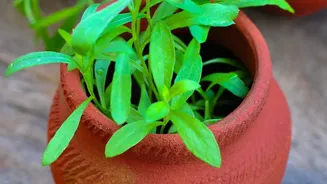
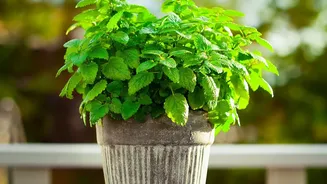
The solution is simple and universally recommended by gardening experts: give mint its own pot. By confining its roots to a container, you control its ability to spread. A pot at least 30 cm wide and deep is a good starting point to give it room to grow without drying out too quickly. Ensure the container has drainage holes but be mindful that roots can escape through them. Placing the pot on a saucer or a paver can help prevent this. If you wish to plant mint in a garden bed, you can use a 'pot-in-pot' method. Sink a large plastic pot into the ground, leaving a few inches of the rim above the soil line to prevent runners from escaping over the top. This allows the mint to coexist in the garden without staging a hostile takeover.
Managing Your Contained Mint
Even in a container, mint is a vigorous grower. You will need to repot it every few years as it becomes root-bound. This is also a great opportunity to divide the plant and create new ones for friends or other pots. Regular pruning is also beneficial. Trimming the plant frequently encourages it to grow bushier rather than leggy, and it provides you with a steady supply of fresh leaves for teas, salads, and drinks. Don't be afraid to be assertive with your pruning; mint is resilient and will grow back stronger. By managing its growth, you can enjoy all the benefits of this wonderful herb without any of the territorial disputes.