

Understanding Your Vrat Pantry
The foundation of a flavourful Sawan fast lies in knowing your ingredients. The traditional fasting diet, or ‘falahari’ food, excludes grains like wheat and rice, lentils, onions, and garlic. Instead, the pantry is filled with nutritious alternatives.
Flours like kuttu (buckwheat), singhara (water chestnut), and rajgira (amaranth) become staples for making puris, parathas, and cheelas. For carbohydrates, sabudana (tapioca pearls) and samak rice (barnyard millet) are go-to choices, providing energy without feeling heavy. Vegetables such as potatoes, sweet potatoes, pumpkin, and bottle gourd are permitted and incredibly versatile. Dairy products like milk, curd, and paneer add richness and protein. Finally, flavour comes from sendha namak (rock salt), and a select group of spices including cumin, black pepper, green chillies, and ginger.
Beyond Water: Hydrate with Flavour
Hydration is crucial, especially during the humid monsoon weather of Sawan. While water is essential, you can elevate your fluid intake with delicious options. Fresh fruit juices (without added sugar), coconut water, and buttermilk (chaas) seasoned with rock salt and roasted cumin powder are excellent choices for staying hydrated and replenishing electrolytes. A simple, homemade lassi or a glass of milk can also be a filling and nutritious drink. For a warm, comforting beverage, consider milk infused with cardamom or a few strands of saffron instead of your usual tea or coffee, which are often avoided.
Smart Snacking for Sustained Energy
Mid-day hunger pangs can be easily managed with smart, healthy snacks. Roasted makhana (fox nuts) are a fantastic option; they are light, crunchy, and packed with nutrients. A simple toss in a teaspoon of ghee with a sprinkle of rock salt makes them an irresistible snack. A handful of assorted dry fruits like almonds, walnuts, and raisins provides healthy fats and sustained energy. A colourful fresh fruit chaat, made with seasonal fruits like apples, bananas, and pomegranates, is another refreshing and energising choice. Even a simple bowl of creamy curd or yoghurt can serve as a satisfying and protein-rich snack.
Reimagining Your Main Meals
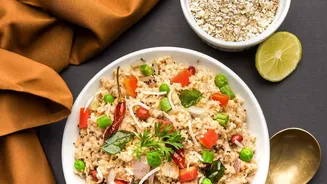
Fasting meals can be just as exciting as regular ones with a little creativity. The classic Sabudana Khichdi, made with soaked tapioca pearls, boiled potatoes, roasted peanuts, and green chillies, is a comforting one-pot meal. Samak rice can be transformed into a flavourful pulao by adding diced vegetables like potatoes and carrots, and seasoning it with cumin and black pepper. Kuttu or singhara atta can be used to make delicious, crispy puris or parathas, which pair perfectly with a simple potato curry (aloo jeera) or a creamy curd-based potato dish (dahi aloo). You can also make savoury pancakes like Kuttu Dosa or cheela for a lighter meal.
Embrace Healthier Cooking Methods
Many traditional fasting foods are deep-fried, which can lead to feeling sluggish and can even cause weight gain. To keep your meals healthy, opt for alternative cooking methods. Instead of deep-frying sabudana vadas or potato tikkis, try air-frying, baking, or pan-frying them with minimal ghee. Vegetables can be roasted or grilled instead of being cooked in heavy gravies. Steaming is another excellent method that helps retain the nutrients in vegetables like sweet potato and pumpkin. These simple swaps can make a significant difference, allowing you to enjoy your favourite vrat dishes in a much healthier way.
Satisfy Sweet Cravings the Healthy Way
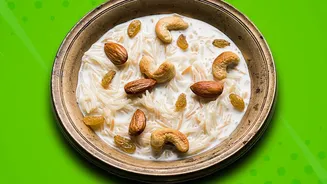
Fasting doesn't mean you have to give up on sweets. There are plenty of healthy ways to satisfy your sweet tooth. A bowl of Makhana Kheer, where roasted fox nuts are simmered in milk with cardamom and sweetened with a little sugar or jaggery, is a divine and light dessert. You can also make Singhare Ka Halwa (water chestnut flour halwa) or a simple fruit salad with a drizzle of honey. Ladoos made from coconut and dates or peanuts and jaggery are other easy, no-cook options that provide natural sweetness and energy.